Akaler Sandhaney (1980)
Director: Mrinal Sen; Writer: Mrinal Sen, Amalendu Chakravarty; Producer: Dhiresh Kumar Chakraborty; Cinematographer: K.K. Mahajan; Editor: Gangadhar Naskar; Cast: Dhritiman Chatterjee, Smita Patil, Sreela Majumdar, Geeta Sen, Dipankar Dey, Rajen Tarafdar, Radhamohan Bhattacharya, Devika Mukherjee, Sajal Roy Choudhury, Jochan Dastidar, Siddhartha Dutta, Reba Roy Choudhury, Umanath Battacharya, Nirmal Ghosh
Duration: 02:04:40; Aspect Ratio: 1.346:1; Hue: 169.750; Saturation: 0.213; Lightness: 0.255; Volume: 0.232; Cuts per Minute: 6.136; Words per Minute: 59.846
Summary: In 1980 a film crew from Calcutta headed by a director (Chatterjee) arrives in a small Bengali village to make a ‘social conscience’ film set in the 1943 famine (setting of his earlier Baishey Shravan, 1960). They stay in a dilapidated mansion inhabited by a woman and her incapacitated old husband. The crew, including star Patil (playing herself), begins to make contact with villagers such as the admiring Haren (Tarafdar), the last surviving weaver, and the local teacher (R. Bhattacharya). The villagers observe the preparations with undisguised curiosity but gradually the voyeuristic implications of a big film crew coming to address ‘local history’ in a village become unbearable to all concerned. Conflicts erupt and the film has to be abandoned. The double time levels involved in the 1943-1980 structure of the tale, with ample parallels between the two periods emerging as the film progresses (e.g. a villager accuses the crew of starting a new famine as they buy up food for the film unit’s lavish meals; or the village notables used to be or are descended from famine profiteers), is further complicated by a village woman, Durga (S. Majumdar) whose intimations of the future disorient the city- dwellers even further. Suresh Chandra’s art direction is particularly notable for the way he orchestrates the encroachment of set-like qualities into the village location, giving the cultural and temporal disjunctions in the narrative a palpably physical dimension. Sen commented that the film made ‘a confession of our incapacities. We speak of the crisis in the arts when we hesitate to confront reality or fail to catch its true bearings.’ The film won numerous awards at the National Film Festival 1981, including Best Film, Director, and Screenplay for Sen and the award for editing for Gangadhar Naskar.
Release date: 12 February, 1982 (Radha, Purna, Prachi)
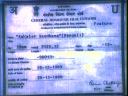
censor certificate
Though references to cinema and the cinematic apparatus is a common trope in Mrinal Sen, 'Akaler Sandhane' (1981) explicitly addresses the very medium of cinema, its machinery and associated questions regarding memory and history. This is especially significant given the theme of the film: a film-maker goes to a remote village for the location shooting of his film on the great Bengal Famine of 1943. One is aware of the impact of the Famine on Mrinal Sen's sensibilities, both aesthetically and ideologically; one of his most remarkable films before the Calcutta trilogy, 'Baishe Shravan', had been exclusively about the impact of the Famine inside the family. In many ways, thus, there seems to be an aesthetic, ideological and symbolic continuity between 'Baishey Shravan' and 'Akaler Sandhane' which Sen uses to address two important concerns: the disjoint between cinematic realism/naturalism and the reality of continued suffering in a society that is framed by class-oppression, poverty and hunger. This is further foregrounded by the numerous anecdotes we will refer to in these annotations where Sen talks about how filming certain crucial scenes for the film had immense effects on the residents of Sukhariya (named Hatui in the film) where the outdoor shoot took place, constantly blurring the lines between fact and fiction. The film within the film is also named 'Akaler Sandhane', and this is a recurrent device where the filming of the fictional Famine narrative by the fictional film-crew constantly addresses the real narrative of Sen's film, its film-crew and vice-versa. No other film of Sen's is this explicitly concerned with cinema and its symbolic and social ramifications.

The image shows a certificate issued by the Central Board of Film Censors, featuring a film's details. The certificate includes the film's title, "Anklesari Sandhane" (Bengali), its length, and other technical specifications. The certificate is dated between December 25, 1990, and January 13, 1990, and is issued in Mumbai. The certificate is written in both English and Hindi, with the Hindi text appearing at the top.
The image shows a dark background with a glowing blue text in Bengali. The text appears to be a title or a heading, with a formal tone. The text is written in a script that is commonly used in the Indian subcontinent. The possible geographic location is Bangladesh, as the language is Bengali, which is spoken there.
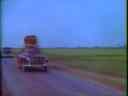
The image shows a road with a vintage car driving on it. The car has luggage stacked on its roof and another vehicle visible in the background. The surroundings are open fields, with a clear sky above. The road appears to be in a rural area, possibly in a region with flat terrain.
The song 'Hei Samalo', a popular Indian People's Theatre Association (IPTA) composition by Salil Choudhury, first recorded in 1948, about the Tebhaga Andolan (the share-croppers of Bengal demanded two-thirds of their own produce from the land owned by the rich gentry; resulted in a violent class with the ruling class that forever changed the course of politicized agrarian movements in India). The Tebhaga uprising gave rise to a popular demand of 'land to the tiller' which became a recurrent trope in many of the IPTA songs of the time. The song is a violent call to the farmers to muster their men and resources in order to protect their crops from being usurped by the village middle-men, the zamindars and the British, leaving them in penury, hunger and death. The song, consequently, refers to various images of peasant struggles and oppression from the ruling classes: 'we swear to our life and dignity, we will not give up the rice we have sown with our blood', 'we will not stock someone else's coffers', 'we have given up fifty lakh lives, given our women, their dignity', 'we know you, the black mahouts of the white elephant'. The most popular version of the song had vocals by Sabita Choudhury; that is the version used in the film.
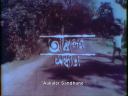
The image shows a person walking along a path surrounded by trees and vegetation. The lighting suggests it is daytime, and the environment appears to be rural or natural. The text in the image is in Bengali, and it reads: "আমার চেষ্ণা থেকে আমার কথিমি আমার স্মার্ট এবং আমার হাইটের সাথে আমার চেষ্ণা থেকে আমার কথিমি আমার স্মার্ট এবং আমার হাইটের সাথে আমার চেষ্ণা থেকে আমার কথিমি আমার স্মার্ট এবং আমার হাইটের সাথে আমার চেষ্ণা থেকে আমার কথিমি আমার স্মার্ট এবং আমার হাইটের সাথে আমার চে
The image shows a dirt road surrounded by lush greenery, with tall trees lining both sides. The road appears to be in a rural area, possibly in a tropical or subtropical region. The text in the image is in Bengali, and it reads: "ধ্রিতিমান চাটপাদায়" and "ধ্রিতিমান চাটপাদায়".
The image shows a dirt road surrounded by dense vegetation, with trees and shrubs on either side. The road appears to be in a rural or forested area, with a shadow cast across the road, suggesting sunlight filtering through the trees. The terrain looks uneven, and the vegetation seems to be dry.
The image shows a road surrounded by trees, with a slightly blurred background. The road appears to be paved and stretches into the distance, flanked by tall trees on both sides. The lighting suggests it might be early morning or late afternoon. The text in the image is in Bengali, and it reads: "সুন্দরভাগী সেবা আমাদের দক্ষতার সাথে সুন্দরভাগী সেবা আমাদের দক্ষতার সাথে সুন্দরভাগী সেবা আমাদের দক্ষতার সাথে সুন্দরভাগী সেবা আমাদের দক্ষতার সাথে সুন্দরভাগী সেবা আমাদের দক্ষতার সাথে সুন্দরভাগী সেবা আমাদের দক্ষতার সাথে সুন্দরভাগী সেবা আমাদের দক�
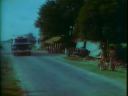
This scene, which sets the tone for the critical intervention Sen will pursue in the film, was inspired by an actual incident during the location shoot. Sen recollects in his memoirs: 'When the convoy had arrived at the village, we realized that the word had already been spread that a film company was coming to make a film on famine...I saw how an aged farmer, his body nothing more than a bundle of bones, had suddenly spoken up, rather loudly, almost in jest, “Hey, look, they have come from the city looking for famine. But here, we are the famine; it is present in every pore of our beings.” A cruel taunt and heartless jest! Honestly, never before did I ever meet a man like him, never before I heard the like of him, none of his kind, who had learnt to survive by virtue of their own peculiar logic. The man said it and laughed a guileless laughter. I was shaken. Two days later, when we took our first shot, it was that of an old man, an actor picked up from my own unit, speaking the same line of the aged farmer, speaking the same way and laughing the same guileless laughter. He was made to appear in the film never again.' (‘Always Being Born: Mrinal Sen, A Memoir’, Stellar Publishers Pvt Ltd., 2004)
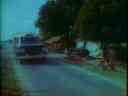
A vintage car is driving down a rural road, with a group of people standing on the side of the road near a makeshift shelter. The shelter appears to be constructed from tarps and other materials, and there are trees and grassy fields in the background. The scene suggests a rural or countryside location, possibly in a region where such temporary shelters are common.
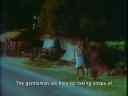
The image shows a rural outdoor setting with a group of people gathered near a makeshift shelter, possibly a tent. There is a man standing in the foreground, wearing a white garment, and another person seated nearby. The background includes trees and a dirt road. The scene appears to be in a countryside area, possibly in a region where such gatherings are common. The text in the image reads: "The gentlemen are here for taking snaps of."
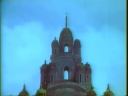
The constant dialogue between the real and the fictional film is foregrounded also by the ensemble cast and crew, many of whom retain their names. Many of Sen's own technicians, except Sen himself, appear in the film as the crew members of the fictional film. Sen has remarked about the intertexual nature of the film: 'There were two sets of actors in Akaler Sandhane. Those who acted the actors retained their own names and had their role names too. Such as Smita Patil, playing an actress, having her own name(when in 1980) and a role name, playing a village woman during the year of famine(in 1943). Obviously, she and others had to continuously shuttle between two periods – 1980 and 1943. Those who played the villagers had been given their role names. The rest – the technicians and the production staff of the film within the film – were shared by the actors and my own unit members, all retaining their own names. Besides, there were real villagers who played themselves, played bit roles. The only exception was the actor who played the "director". Of course, he had a specific job – that of directing the "film", but remained unnamed.' (‘Always Being Born: Mrinal Sen, A Memoir’, Stellar Publishers Pvt Ltd., 2004)
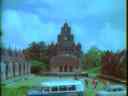
The image shows a large, ornate structure with a central tower and arched entrances, surrounded by smaller buildings with similar architectural features. There are people walking around the area, and a white vehicle is parked in the foreground. The structure appears to be made of stone and has intricate carvings. The surrounding area is lush with greenery, including trees and grass. The sky is partly cloudy, and the overall scene suggests a warm climate. The structure could be located in a region with historical or cultural significance, possibly in South Asia.
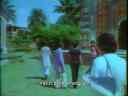
The image shows a group of people walking along a grassy path surrounded by lush greenery and palm trees. The setting appears to be a historical or cultural site, with a large, ornate building visible in the background. The group is casually dressed, and the atmosphere seems relaxed and informal. The text in the image reads, "Has it been arranged?"
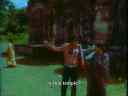
The image shows a man in a red and white checkered shirt pointing towards a structure in the background, while another person stands nearby, looking in the same direction. The setting appears to be outdoors, with a grassy area and a stone or brick building in the background. The scene seems to be in a region with a warm climate, possibly in a historical or cultural site. The text in the image reads, "In this temple?"
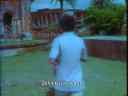
The image shows a person standing outdoors in a grassy area, facing away from the camera. In the background, there are structures that appear to be part of a historical or cultural site, with columns and a stone wall. The person is wearing a light-colored outfit and carrying a bag. The text in the image reads, "Definitely it is done."
The image shows two individuals walking outdoors, surrounded by greenery and a brick structure in the background. The person on the left is wearing a dark shirt, while the person on the right is dressed in a white shirt and a light-colored vest. The setting appears to be rural, with a natural and rustic environment.
The image shows two individuals walking along a pathway. One person is wearing a red outfit with white polka dots, while the other is dressed in a light-colored shirt and dark pants, carrying a red bag. The background features a structure with intricate carvings, possibly a temple or historic building, and a wall with a reflective surface. The setting appears to be outdoors, with a mix of natural and architectural elements. The scene suggests a location with cultural or historical significance, potentially in a region known for such architecture.
The image shows three individuals standing in a grassy area with palm trees in the background. A blue and white bus is visible in the distance, and a few people are seated nearby. The setting appears to be rural, with lush greenery and a clear sky. The text in the image reads, "Do your work properly, then the people of the country will garland you automatically."
The image shows a group of people gathered outdoors on a grassy area, with some standing and others walking. The setting appears to be a park or a similar open space, with trees and parked vehicles visible in the background. The people are dressed in casual clothing, and the atmosphere seems lively and social. The text in the image reads, "This side, hurry up."
The image shows a person sitting on a grassy area near a body of water. The individual appears to be wearing a light-colored shirt and a darker skirt or pants. The surroundings include lush green vegetation and a calm water surface. The scene suggests a rural or natural setting, possibly in a temperate region.
The image shows a man walking on a path surrounded by greenery. There are other people in the background, some sitting and some standing. The man in the foreground is wearing a dark shirt and pants, and he appears to be walking with purpose. The text in the image reads, "How do you find the location?" The scene seems to be set in a park or a garden area, with trees and grass visible. The possible geographic location could be a suburban or rural area with open green spaces.
The image shows a group of people walking through a large, open area with tall columns. The columns appear to be part of an ancient structure, possibly a temple or a palace, with intricate carvings visible on some of them. The setting seems to be outdoors, with greenery visible in the background. The weather appears to be clear, and the atmosphere is calm. The text in the image reads: "Yes, an arrangement for a month has been made for kings like you'll."
The image shows a group of people standing together in what appears to be an outdoor setting. The background features a weathered wall with visible cracks and a window. The individuals are dressed in traditional attire, with some wearing sarees and others in shirts and trousers. The atmosphere seems to be one of curiosity or discussion, as they appear to be engaged in conversation. The text in the image reads, "But where is this Mr. Jayanta?"
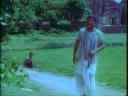
The image shows a man walking along a dirt path in a lush green area. He is wearing a white outfit with a scarf draped over his shoulders. In the background, there is a person sitting on the grass, and a large, red-brick structure resembling a temple or historical building is visible. The surrounding area is filled with greenery, including trees and grass. The scene appears to be in a rural or semi-urban setting, possibly in a region with tropical or subtropical climate.
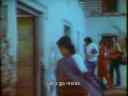
The image shows a group of people walking along a narrow pathway between buildings. The pathway appears to be in a residential area, with visible doors and windows. The people are dressed in traditional attire, suggesting a cultural or regional setting. The text in the image reads, "Let's go inside."
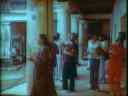
The image shows a group of people standing in a corridor with columns, some holding items like books or papers. The setting appears to be indoors, possibly in a historical or cultural building. The people are dressed in traditional attire, and the architecture suggests a location with colonial or classical influences.
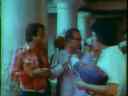
The image shows a group of people standing in what appears to be an outdoor setting with columns in the background. The individuals are engaged in conversation, and one person is holding a cup. The setting seems to be in a warm climate, possibly in a public or social gathering area.
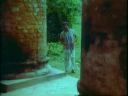
Rajen Tarafdar, director of films like 'Ganga', 'Palanka' and 'Antarikhha', playing a resident of the fictional village of Hatui, who gets involved with the production.
The image shows a large, reddish-brown structure that appears to be a stone or brick wall. It is partially obscured by a green, leafy background, suggesting it is outdoors. The structure seems to have a rough texture and is likely part of a larger building or monument. The surrounding area includes a paved pathway and some greenery, hinting at a park or garden-like setting.
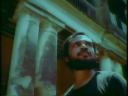
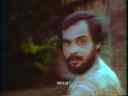
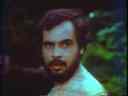
Dhritiman Chatterjee, who plays the nameless director of the film-within-the-film, is a significant instance of casting, or re-casting. He had earlier acted in Sen's 'Padatik', almost a decade prior in 1973, as the titular urban guerrilla. In both instances, the persona of the actor Dhritiman Chatterjee comes to be closely associated with the directorial persona of Mrinal Sen, especially in a context of self-criticism and stock-taking. The continuities, both real and thematic, albeit unintentional, has been something Sen himself has variously acknowledged. While 'Padatik had been an instance of self-critique from an ideological vantage point, in 'Akaler Sandhane' the critique is also at a formal and aesthetic level.

The image shows a person standing in front of a building with a wooden overhang and a balcony. The person appears to be looking upward, and the setting seems to be outdoors, possibly in a residential or historical area. The architectural style suggests a warm climate, possibly Mediterranean or Southern European.
The image shows a person walking on a concrete surface near a fence. The person appears to be wearing dark clothing and is walking away from the camera. The area seems to be an outdoor space, possibly a courtyard or a sidewalk. The surroundings include a fence with vertical bars and a structure with red and white elements in the background. The overall setting appears to be urban.
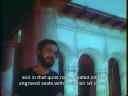
The image shows a person standing in front of a building with arched doorways and a tiled roof. The person appears to be in a quiet, possibly historical or cultural setting. The text in the image reads: "and in that quiet room, seated on the engraved seats with their hair let loose."
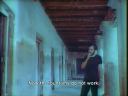
Ruins feature yet again in 'Akaler Sandhane', made more significant if one recollects how the little family in 'Baishe Shravan' had lived in a hut surrounded by the ruins of their old mansion. The film crew sets itself up in the ruins, partly to accommodate everyone, and also suggesting how Sen might have shot his own famine film, back in 1960. The sequence constantly evokes instances from the earlier film, especially in the cavernous passages and courtyards of the old ruins, and also in the ensuing conversation between the actor (Biplab Chakraborty, whose voice is heard over the voice-over) and the director regarding the pomp and glory of the erstwhile zamindars who used to once inhabit the crumbling palace.
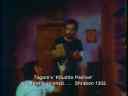
The image shows a man standing indoors, holding a book in his hands. Another person is seated in front of him, gesturing with their hands. The room has wooden furniture, including a bookshelf and a door in the background. The walls are painted in a warm, earthy tone, and there are framed pictures hanging on them. The setting appears to be a cozy, traditional interior, possibly in a residential or academic environment. The text in the image reads: "Tagore’s 'Khudito Pashan' was first published... Shraban 1302."
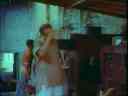
The image shows a group of people gathered around a large wooden structure, possibly a piece of furniture or a machine. The setting appears to be outdoors, with a rustic or historical architectural backdrop. The people are dressed in traditional attire, and the structure seems to be the focal point of their attention. The scene suggests a communal activity or event, possibly related to craftsmanship or a cultural practice.
The image shows two individuals working in what appears to be an industrial or mechanical setting. One person is leaning over a large piece of equipment, while the other is standing nearby, possibly engaged in a task. The environment looks gritty and functional, with visible wear and machinery. The text in the image reads, "Oil prices are so high and the way the gulf states continue to fight." The setting seems to be in a region with a warm climate, possibly in the Middle East or a similar area.
The image shows a group of people standing outdoors under a wooden structure. One person is wearing a dark shirt and appears to be gesturing or talking to another person in a light-colored shirt. There is a third person in the background, partially obscured, and a fourth person standing near a wooden structure. The setting appears to be a rural or semi-urban area, possibly in a tropical or subtropical region, given the wooden construction and the greenery visible in the background. The text in the image reads: "Will you kindly tell this to everyone in the unit??"
The image shows a person standing in front of a structure that resembles a small church or chapel. The structure has a cross on top and appears to be made of stone or concrete. The person is standing in the doorway, and the scene is surrounded by trees and vegetation. The text in the image reads, "Looking exactly like Jesus crisis!"
The differences between 'Baishe Shravan' and 'Akaler Sandhane' are also foregrounded in the difference in treatment of the two films. The former had been made under the dominant influence of neo-realism of the time and had only referred to the Famine indirectly, choosing to train its lens within the family throughout. The latter film begins with explicit references to the Famine through historical accounts and photographs being discussed among the fiction crew, and the film-within-film format necessitates the adoption of a hyper-naturalist aesthetic that will constantly refer to the very mechanism of filming and narration.
Sen recollects: 'The entire film unit settled down comfortably in twenty –six rooms in a near abandoned palace. It now turned into an island of abundance totally cut off from the grassroots level reality. It all seemed to be good fun – at times, unit members looked at the photographs of the famine, like a parlour game and at the same time discussed the menu for dinner – whether it should be fried rice and chicken curry or something else.' (‘Always Being Born: Mrinal Sen, A Memoir’, Stellar Publishers Pvt Ltd., 2004)
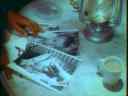
The image shows a person holding a black-and-white photograph of a man lying down, with another photograph of a woman's face nearby. There is a lantern on the table, a cup of coffee, and a few scattered papers. The setting appears to be a rustic or outdoor environment, possibly a workshop or a casual workspace. The text in the image reads "See!" in English.
The image shows a person with dark hair and a beard, wearing a white shirt. The background appears to be indoors, with a blurred wall and some furniture visible. The lighting is dim, giving the scene a somewhat somber tone. The text in the image reads, "In this Bangladesh?"
The image shows a person holding a cigarette, with a dark background. The lighting is dim, and the person appears to be in a contemplative or somber mood. The setting seems to be indoors, possibly in a dimly lit room or bar. The text in the image reads, "They just starved and dropped dead."
The image shows two individuals engaged in a conversation. One is wearing a dark shirt, and the other is dressed in a light-colored shirt. The setting appears to be indoors, with dim lighting. The background is blurred, making it difficult to identify the exact location. The text in the image reads, "No, not exactly."
The image shows a person with dark hair, wearing a garment with a visible pattern. The background is dark, and the lighting is dim, creating a shadowy effect. The person appears to be indoors, possibly in a dimly lit room.
The image shows a person with a beard and dark hair, standing in a dimly lit environment. The background appears to be indoors, possibly in a room with some furniture or objects visible. The lighting is low, creating a shadowy atmosphere. The person is looking directly at the camera.

The image shows a person with dark hair and earrings, wearing a striped garment. The background is dark, and the lighting is dim, creating a shadowy effect. The person appears to be in a low-light environment, possibly indoors. The text in the image reads, "Let me see."
The image shows a person holding a small rectangular object with a detailed illustration of a creature on it. The person is wearing a dark shirt and a wristwatch, and the background appears to be dimly lit. The creature on the object resembles a mythical or fantastical creature, possibly a dragon or a similar beast. The setting seems to be indoors, with a slightly rustic or aged appearance.

The image shows a person with dark hair and a striped garment, illuminated by dim lighting. The background is dark, and the person appears to be in a close-up shot. The text in the image reads, "Isn't this the Buddha?" The setting appears to be indoors, possibly in a dimly lit room or a place with minimal lighting.
The image shows a dimly lit room with a person sitting at a table. The person appears to be wearing a patterned shirt, and there is another figure in the background, partially obscured. The lighting is warm, and the setting suggests an indoor environment. The text in the image reads "2nd century."
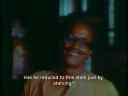
The image shows a person wearing glasses, smiling, and dressed in a light-colored shirt. The background appears to be indoors, with dim lighting and blurred details. The text in the image reads, "Has he reduced to this state just by starving?" The setting seems to be a modest or simple environment, possibly in a residential area.

The image shows a person wearing a white shirt, standing indoors with a blurred background. The lighting is dim, and the person appears to be looking slightly to the side. The setting seems to be a casual or relaxed environment, possibly a room with wooden furniture. The text in the image reads, "Now have you understood, if the stomach does not get food and water, even good will collapse."
The image shows a dimly lit room with a few individuals standing and sitting around a table. The atmosphere appears to be calm and subdued, with a focus on the people and their interactions. The setting seems to be indoors, possibly in a dining or gathering area. The lighting is soft, and the room has a rustic or traditional feel. The individuals are dressed in simple, casual clothing, and the overall mood suggests a relaxed and informal gathering.
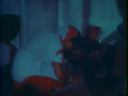
Gita Sen, as one of the few inhabitants of the ruined mansion, living there with her paralyzed husband. She had previously acted in her husband's 'Ek Din Pratidin'. Sen's preoccupation with inhabitants of old ruins, as living vessels of memory and history, are evident here too.
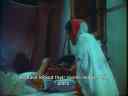
The image shows a person in a white garment standing near a bed, where another person is lying down. The room appears dimly lit, and there is a window in the background. The text in the image reads, "All have locked their rooms and left the place."
The image shows a group of people sitting in a dimly lit room. There is a man standing in the foreground, facing a woman seated on a couch. The woman appears to be engaged in conversation with the man. The room has a rustic appearance, with visible cracks on the walls and a window in the background. The atmosphere suggests a casual or informal setting. The possible geographic location appears to be a rural or semi-urban area, possibly in a region with warm climates.
The image shows a group of people standing in a lush, green environment surrounded by banana trees. The individuals are dressed in traditional attire, with vibrant colors and patterns. The setting appears to be tropical, with dense vegetation and a warm atmosphere.
The image shows a man standing outdoors, wearing a white garment wrapped around his waist and a cloth draped over his shoulder. He is surrounded by lush greenery, including large leaves and plants. In the background, there is a person sitting on the ground, partially obscured by foliage. The setting appears to be a tropical or subtropical area, possibly in a rural or natural environment.
The image shows two individuals standing near a bamboo structure. One person is standing outside, wearing a white garment wrapped around their body, while the other person is partially visible inside the structure, holding a cloth. The setting appears to be outdoors, surrounded by greenery, suggesting a rural or tropical environment. The bamboo structure and attire hint at a location in a region where such materials are commonly used for building and clothing.
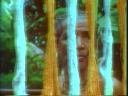
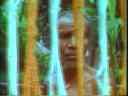
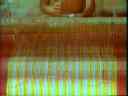
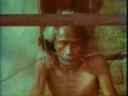
The last of the weaver houses of the village, struggling to keep their ancestral profession afloat in the face of rising prices and changing demands, tastes and production.
The image shows a person standing behind vertical, colorful, and textured structures that appear to be made of natural materials like wood or bamboo. The background is lush and green, suggesting a tropical or forested environment. The person is partially obscured by these structures, which create a sense of depth and separation.
The image shows a person working with a loom, weaving colorful fabric. The loom is in motion, with threads forming a striped pattern. The person appears to be focused on their task, with their hands positioned near the loom. The setting suggests a traditional or rural environment, possibly in a region known for weaving.
The image shows a person sitting in a dimly lit area, with a stone wall in the background. The person appears to be shirtless, with a visible shoulder and arm. There is a horizontal wooden beam in the foreground, partially obstructing the view. The lighting is soft, and the overall tone suggests a rustic or rural setting. The stone wall and the wooden beam hint at a traditional or older construction style.
The image shows a person standing outdoors, surrounded by greenery. The individual appears to be wearing a light-colored shirt and has a beard. There is a tree trunk visible in the background, and the setting seems to be a forest or a natural area. The lighting suggests it is daytime.
The image shows a person standing outdoors, surrounded by greenery. The individual appears to be wearing a cloth draped over one shoulder. The background suggests a natural setting, possibly a forest or a rural area. The person's skin tone and attire hint at a warm climate. The text in the image reads, "Like we don't get the thread, the dye."
The image shows a person standing in front of a bamboo structure, wearing a white garment wrapped around their body. The setting appears to be outdoors, surrounded by greenery and natural elements. The person is looking at a mirror, which reflects their image. The text in the image reads, "Where is the main road?"
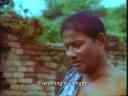
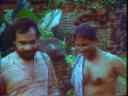
Haren's character is meant to be a bridge between the village and the film-unit; a weaver by profession, he is also a 'jatra' enthusiast who used to excel in female roles (a common occurance if and when women would not be allowed to perform in a 'jatra' publicly). His own past as a performer and his fascination for the film crew helps him get close to the unit when the other villagers are still wary or unsure. The narrative firmly sets Haren apart from the rest of the village - he displays an unlikely knowledge of Hitler, Lenin, Stalin and Marx, much to the director's obvious surprise.
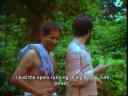
The image shows two individuals standing in a lush, green environment, surrounded by dense foliage. One person is shirtless, wearing a cloth draped over their shoulder, while the other is dressed in a light-colored shirt. The setting appears to be outdoors, possibly in a forest or a garden. The text in the image reads, "I had the opera running in my blood, faith, power..."
The image shows a group of people standing amidst dense vegetation. The background consists of a weathered brick wall with visible cracks and overgrown plants. The individuals are dressed in colorful clothing, with one person wearing a bright yellow outfit and another in a red and white ensemble. The setting appears to be an outdoor area, possibly in a rural or semi-urban environment.
The image shows a person standing outdoors, surrounded by lush greenery and tall trees. The individual appears to be shirtless, with a cloth draped over their shoulder. The setting suggests a tropical or forested area. The text in the image reads: "Sometimes I feel very sad."
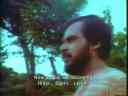
The image shows a person standing outdoors, surrounded by greenery and trees. The individual appears to be gazing into the distance, with a natural setting in the background. The text in the image reads, "Now people are becoming Hitler... Stalin... Lenin..."
The image shows a person standing outdoors, with a brick wall and greenery in the background. The person appears to be wearing a garment draped over one shoulder. The text in the image reads, "Everything is all right..."
The image shows a person standing outdoors, with a background of greenery and a brick structure. The person is wearing a striped shirt and appears to be looking slightly to the side. The lighting suggests it might be daytime. The text in the image reads "What?" in English.
The image shows two individuals standing outdoors in a lush, green environment. One person is wearing a light-colored shirt, while the other is shirtless and draped in a cloth. Behind them, there is a brick wall partially covered with vegetation, including large leaves and vines. The setting appears to be rural or semi-urban, with a natural and rustic atmosphere.
The image shows a person with medium-length hair and a beard, wearing a light-colored shirt. The background appears to be outdoors, with greenery and trees visible. The lighting suggests it might be daytime.
The image shows a person standing outdoors, facing away from the camera. The background consists of lush greenery, suggesting a forest or a natural setting. The person appears to be wearing a light-colored shirt. The text in the image reads, "Good news... good news."
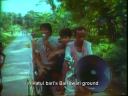
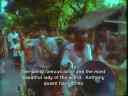
Announcement for a set of public shows (in the model of drive-in theatres, but in a field and with space reserved to park one's bicycles) for the village, showing 'The Guns of Navarone', the 1961 British-American adventure/war film by J. Lee Thompson, based on the eponymous novel by Alistair MacLean and starring Gregory Peck, David Niven and Anthony Quinn (Quinn here is mistaken to be a woman by the villagers who refer to him as 'Queen', the most beautiful actress in the world).
The image shows a crowd of people gathered outdoors, with a man holding a megaphone and addressing the group. The setting appears to be rural, with trees and a small building visible in the background. The people seem engaged, and the atmosphere suggests a celebratory or communal event.
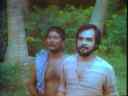
The image shows two individuals standing outdoors in a natural setting. One person is wearing a checkered cloth draped over their shoulder, while the other is dressed in a striped shirt. The background features lush greenery and tall palm trees, suggesting a tropical or subtropical environment.
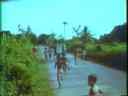
The image shows a group of children running along a paved road surrounded by lush greenery. The road is flanked by dense vegetation, including tall palm trees and bushes. The sky is clear, and the scene appears to be in a tropical or subtropical region.
As mentioned before, the script was only loosely followed while filming; consequently, a number of sequences and incidents were developed on the spot and many actual events which took place during filming found their way into the shooting sequences of the fictional film too. In a letter written to his wife from the location (the letter was incidentally never posted and was published about a decade later in The Statesman), about a week before she was supposed to join the unit, he mentions a number of incidents during filming which inspired sequences of the film. Clouds hindering shooting was one such incident. An assistant, Poltu, was given the responsibility of wearing dark glasses and staring at the sun continuously. The way the sequence plays out here, is exactly the sort of difficulty Sen and his crew faced while filming. Sen mentions with great relish the discomfort the producer's agent displayed over the delay in filming and the repeated NGs ('no/not good' shots) caused by the director's insistence regarding shooting in natural unhindered light.
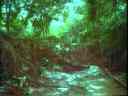
The image shows a dense forest with a narrow dirt path leading through it. The path is surrounded by thick vegetation, including trees and shrubs, with roots and branches visible on the ground. The area appears to be lush and green, suggesting a tropical or subtropical environment. There is a person visible in the distance, standing near the path.
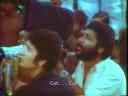
The image shows a man with a beard wearing a white shirt, standing in what appears to be a busy outdoor setting. He is looking to the right, and there is another person in the foreground wearing a dark jacket. The background includes blurred figures and greenery, suggesting an outdoor environment. The text in the image reads, "Cut... Cut."
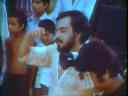
The image shows a man in a white shirt holding a microphone, seemingly addressing a group of people. The group includes several young individuals, some of whom appear to be boys, standing closely together. The setting seems to be outdoors, possibly in a residential or community area, as there are visible structures and clothing in the background. The man appears to be speaking or performing, and the group is attentively listening.
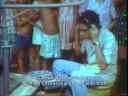
The image shows a man sitting on a stool, wearing a light-colored shirt and jeans, with his hand on his head. He appears to be listening to something through headphones. Around him, there are several people standing, including children and adults, dressed in casual clothing. The setting seems to be outdoors, possibly in a rural or semi-urban area. The background includes a metal structure and a few other objects, suggesting a casual or informal environment. The text in the image reads: "How can we work when there are so many unseasonal clouds with that."
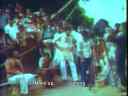
The image shows a group of people gathered outdoors, with some seated on steps and others standing. A man in white clothing is standing in the center, seemingly engaged in conversation or activity. There is a person with a camera on a tripod to the right, and another person appears to be adjusting something. The setting seems to be a rural or semi-urban area, with greenery visible in the background. The text in the image reads, "Make up... coming..."
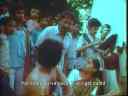
The image shows a group of people gathered outdoors, with a man in the foreground holding a child. The crowd appears to be focused on something or someone not visible in the frame. The setting seems to be in a rural or semi-urban area, possibly in a tropical or subtropical region, given the clothing and vegetation visible. The text in the image reads, "Put some curva juice, it will get cured."
The image shows a group of people sitting on the ground in an outdoor setting. The ground appears to be dirt, and there are some makeshift structures or seating arrangements visible. A man is sitting on a stool, wearing a checkered cloth around his waist, while another man is squatting nearby. A third person is seated on the ground, facing the squatting man. The background includes other individuals standing or sitting, and there is a sense of casual interaction among the people. The text in the image reads, "I'll dress it up when you go to the camp."
The image shows a group of people gathered outdoors. Some are standing, while others are seated. A man in the foreground appears to be resting or sleeping, wrapped in a white cloth. The background includes trees and a bright light, possibly sunlight. The group seems to be engaged in a communal activity, with some individuals appearing to interact with each other. The setting suggests a rural or semi-urban environment, possibly in a tropical or subtropical region.
The image shows a large group of people gathered outdoors, with a mix of adults and children. They appear to be engaged in a communal activity, possibly a celebration or gathering. The setting seems to be rural, with a house in the background and trees surrounding the area. The people are dressed in casual clothing, and the atmosphere appears lively and joyful.
The image shows a group of people gathered in what appears to be an outdoor setting. Some individuals are standing in the foreground, while others are in the background. The people in the foreground are dressed in traditional attire, and there is a sense of movement and interaction among them. The background includes a mix of individuals, some of whom appear to be observing the scene. The setting seems to be in a rural or semi-urban area, possibly in a region where traditional clothing is common. The text in the image reads, "You will move from the front," which suggests a possible directive or announcement.
The image shows a person standing outdoors near a lush green wall of foliage. The individual is wearing a light-colored shirt and appears to be holding something in their hand. The background consists of dense greenery, possibly a garden or a forested area. The person seems to be looking at something or someone off-camera. The scene appears to be in a rural or suburban setting, possibly in a region with abundant vegetation.
The image shows a group of people gathered in what appears to be a busy outdoor setting. A man in the foreground is seated, shirtless, and holding a small object in his hand. He seems to be engaged in conversation or contemplation. Behind him, a woman is seated, writing or drawing on a piece of paper. The background is filled with other individuals, some standing and some sitting, suggesting a communal or public gathering. The scene appears to be in a warm climate, as inferred from the attire of the people and the bright lighting. The text in the image reads, "It seems, at least the sun will shine."
The image shows a group of people gathered in a dimly lit area. A child is crouching and holding a small object, possibly a flashlight, while others stand nearby. The setting appears to be outdoors, with a dirt ground and scattered leaves visible. The people seem to be wearing traditional clothing, and the overall atmosphere suggests a rural or village environment.
The image shows three men standing outdoors in a lush, green environment. They appear to be engaged in a conversation, with one man holding a bag. The setting suggests a natural or rural area, possibly in a tropical or subtropical region.
The image shows a group of people gathered in what appears to be a casual setting. Some individuals are standing, while others are seated. The background includes colorful fabrics and a relaxed atmosphere. The text in the image reads, "I here that your motion is a little loose?"
The image shows a group of people standing outdoors, with some greenery visible in the background. The individuals appear to be of varying ages, and they are gathered closely together. The text in the image reads, "Go away... Go away..."
The image shows a large group of people gathered outdoors, possibly in a rural or semi-urban setting. The crowd appears to be engaged in an event or gathering, with some individuals seated on elevated platforms and others standing or sitting on the ground. The environment is lush and green, suggesting a tropical or subtropical climate. The text in the image reads, "Go away... Go away..."
The image shows two individuals engaged in a conversation. One is wearing glasses and appears to be gesturing with his hand, while the other has a beard and is holding a cigarette. The background includes greenery and a structure that looks like a roof or canopy. The setting appears to be outdoors, possibly in a tropical or rural area. The text in the image reads, "do you know that person?"

The image shows a person holding a circular object to their ear, possibly a phone or a similar device. The individual is wearing a light-colored shirt, and there is another person in the background. The setting appears to be indoors, with a light-colored wall and a faint logo or symbol visible in the background. The scene seems to be in a casual or informal environment.
The image shows a man sitting on a chair, wearing glasses and a light-colored shirt, with his hand on his head. He appears to be in a state of distress or concern. There are other people standing around him, and the setting seems to be outdoors, possibly in a rural or semi-urban area. The man is surrounded by a few individuals, and there is a table in front of him with some items on it. The text in the image reads, "Durgaada ready..."
The image shows a group of people gathered outdoors, with some standing and others sitting on the ground. The setting appears to be a casual or informal gathering, possibly in a rural or semi-urban area. The people are dressed in light clothing, and the environment suggests a warm climate. The text in the image reads, "Get ready."
The image shows a large group of people gathered outdoors, possibly in a rural or semi-urban setting. The crowd appears to be engaged in an activity, with some individuals standing and others seated on steps or a raised platform. The environment includes trees and a structure in the background, suggesting a natural or community gathering. The text in the image reads, "Start sound..."
The image shows a dense forest with a mix of tall trees and tangled roots. The ground appears muddy, with a small stream running through the center. The area is lush and green, suggesting a tropical or subtropical environment. The trees seem to be closely packed, with some branches extending over the path.
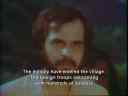
The image shows a person with a beard and mustache, wearing a light-colored shirt. Behind them, there is another figure partially visible. The background appears to be outdoors, with a blurred natural setting. The text in the image reads: "The military have entered the village. The foreign troops are coming with hundreds of soldiers." The scene seems to be set in a rural or village area, possibly in a region with a temperate climate.
The image shows a group of young individuals running along a path surrounded by lush greenery and palm trees. The setting appears to be tropical, with a clear sky and vibrant vegetation. The individuals are dressed in light clothing, suggesting warm weather.
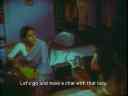
The image shows two women in a cozy indoor setting. One woman is seated on a bed, wearing a sari, while the other is sitting on a chair, holding a book. The room has a wooden door, a bed with white bedding, and a few other items like a water bottle and a small table. The lighting is warm, and the overall atmosphere appears relaxed. The possible geographic location seems to be a traditional or rural setting, possibly in South Asia.
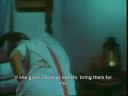
In the letter mentioned above, Sen also remarks on the conception of this scene, especially, the relationship between the paralytic husband and wife and their solitary existence amongst the ruins of their once-glorious past. This scene, especially the wife's comment that only she can understand her husband's lisp, was inspired by a similar incident Sen encountered while filming 'Baishe Shravan' in the village of Mankor about two decades earlier. Sen recalls in the letter: 'But believe me, these aren't my words. They have been borrowed. They were spoken by that lady, in Mankor. It was to me that she said them, when she took me to her husband. The man, lying there, half dead in a room where the light was half shadow. Those were the very words she spoke to me. "You know baba, I am the only one who can understand what he is trying to say."' (‘Montage – Mrinal Sen: Life, Politics, Cinema’, Seagull Books, Calcutta, 2002)
The image shows a woman standing indoors, wearing a traditional white sari with red accents. She is positioned near a wooden table with a cloth draped over it, and there are framed pictures on the wall behind her. The room appears to have a simple, modest design, with a visible staircase in the background. The lighting suggests a natural, soft ambiance.
The image shows a person standing in a room with wooden furniture, including a bed with a canopy and a dresser. The room has a rustic and traditional aesthetic, with a framed picture on the wall and a few small decorative items. The lighting is soft, and the overall atmosphere appears calm and serene. The person is wearing a white outfit with a red sash, and they are holding a wooden object, possibly a musical instrument. The room seems to be in a rural or traditional setting, possibly in a region where such decor is common.
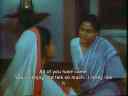
The image shows two women sitting indoors, engaged in a conversation. One is wearing a white sari with a red border, while the other is dressed in a blue sari with white stripes. The setting appears to be a traditional indoor space, possibly in a rural or semi-urban area. The walls are plain, and there is a small shelf in the background with a decorative item. The atmosphere suggests a calm and intimate interaction.
The image shows a person standing indoors, wearing a white garment with a red sash. The room has a wooden bed frame, a ceiling fan, and a few framed pictures on the wall. The person appears to be adjusting their headgear or hair. The setting suggests a traditional or rural environment, possibly in a South Asian country. The text in the image reads, "He is ill."
The image shows a woman wearing a white blouse and a blue sari, sitting indoors. She appears to be in a room with wooden furniture in the background. The lighting is soft, and the setting suggests a traditional or rural environment. The text in the image reads, "She even has a son."

The image shows a person lying on a bed with a wooden headboard. The person is wearing a light-colored shirt and appears to be resting or sleeping. The room has a soft, warm lighting, and the bed is covered with a white blanket. The wooden headboard has intricate carvings, suggesting a traditional or vintage style. The overall setting appears to be a bedroom, possibly in a residential home.
The image shows two women sitting on the floor, engaged in a conversation. One woman is wearing a white outfit with a red border, while the other is dressed in a striped outfit. The background includes a wooden bed frame and a person lying on it. The setting appears to be indoors, possibly in a traditional or rural household.
The image shows a person standing in a room with a bed in the background. The person is wearing a traditional garment, possibly a sari, and appears to be in a relaxed posture. The room has a wooden bed frame, a netted canopy, and a framed picture on the wall. The lighting is soft, and the overall atmosphere seems calm and serene. The geographic location appears to be a rural or semi-urban area, possibly in South Asia, based on the traditional attire and the style of the room.
The image shows a person lying on a bed with a wooden headboard. The person is wearing a light-colored shirt and appears to be resting or sleeping. The room has a warm tone, and the bed is covered with a white blanket. The wooden furniture in the background suggests a traditional or rustic setting.
The image shows a person standing indoors, wearing a light-colored garment. The surroundings include shelves with various items, possibly small containers or decorative objects. The lighting is dim, and the setting appears to be a shop or a similar commercial space. The person is facing away from the camera, and the background is slightly blurred, making it difficult to identify specific details. The possible geographic location seems to be a region with a warm climate, as the attire and indoor setup suggest a casual, relaxed environment.
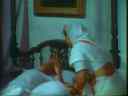
The image shows a person lying on a bed, covered in white bedding, while another person dressed in white attire is leaning over them, appearing to interact or care for them. The room has wooden furniture, including a bed with a carved headboard, and there is a framed picture on the wall. The setting suggests a traditional or rural environment, possibly in a region where such attire is common.
The image shows a dimly lit room with a few people sitting on the floor. There is a wooden door in the background, and some furniture and objects are scattered around. The lighting is soft, and the atmosphere appears calm. The room seems to be in a residential setting, possibly in a rural or suburban area.
A significant aspect of 'Akaler Sandhane' are the sets of connections between the past and present that are articulated in the film. One aspect of this is of course purely cinematic, what with the memories of 'Baishe Shravan' that are constantly evoked when shifting between the 1980 and the 1943 episodes. Consequently, there are three timelines that work simultaneously: the 1943 Famine timeline, the 1960 'Baishe Shravan' timeline, and the 1980 film timeline. This shift between the three timelines, especially when the shooting sequences take place or when people recall their memories of the famine in the 1980 timeline (for example, when the old woman recalls the glory of their family even during the actual Famine years; or the shooting of a wedding from that period, ironically, in the ruins of the old palace), lends the film a constantly shifting sense of history - these shifts firmly establish the film's preoccupations with the continued nature of the 1943 Famine in the context of contemporary society. Sen remarks in this context: 'As a rule, going back to the past and looking into the present, one is likely to find a logic that connects one another. Whether in Akaler Sandhane or in my earlier films, there had been a running theme through my films. For me, history had never been an irregular series of accidents. I had seen history as a continuous, growing phenomenon, marching almost imperceptibly into the characters of my own time. Akaler Sandhane, as clearly evident, was rooted in the uneasy, uncomfortable, irresistible and inevitable connection between the past and the present. As an example, I could see a connection between the character of Akaler Sandhane, Durga, the village girl with a child and a disabled husband (1980), and the young woman in Baishey Shravan (1960), whose life was embittered as much as her old husband’s in the dreary days of famine.' (‘Always Being Born: Mrinal Sen, A Memoir’, Stellar Publishers Pvt Ltd., 2004)
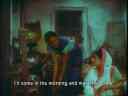
The image shows a woman in traditional attire, sitting on the floor in a modest room. Another woman is standing nearby, leaning over to engage in conversation. The room appears to be a simple, rustic setting, with wooden furniture and a window in the background. The lighting is soft, and the overall atmosphere suggests a quiet, everyday moment. The text in the image reads, "I'll come in the morning and make the paste."
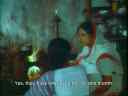
The image shows a woman in traditional attire sitting near a stove, with a man standing nearby. The stove is lit, and there is a pot on it. The background includes shelves with various items, and the setting appears to be a modest kitchen. The woman seems to be engaged in conversation, and the man is leaning in, possibly listening or speaking. The text in the image reads, "Yes, they have employed her for one month."
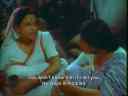
The image shows two women sitting and engaging in a conversation. One is wearing a white sari with a red border, while the other is dressed in a light blue outfit. The setting appears to be indoors, with a dimly lit background. The woman in the blue outfit is holding a small object, possibly a piece of cloth or a tool. The text in the image reads: "You won't know him if I tell you. He stays in Kolkata."
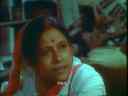
The image shows a person wearing a white garment with a red border, sitting indoors. The background includes a blurred view of furniture, such as a chair and a table, suggesting a domestic setting. The person appears to be looking at something or someone, with a slightly concerned expression. The text in the image reads "Here?" in English. The setting seems to be in a region where such attire is common, possibly in South Asia.
The image shows a person with dark hair, wearing a light-colored top, sitting indoors. The background appears to be dimly lit, possibly a room with wooden or rustic elements. The person is seated and appears to be engaged in a conversation or activity. The setting suggests a casual or informal environment.
The image shows a person wearing a white shirt with a red scarf draped over their shoulders. The person has a red dot on their forehead, which is often associated with traditional attire in certain cultures. The background includes a blurred view of furniture, possibly indicating an indoor setting. The person appears to be seated, and the overall scene suggests a domestic or casual environment. The geographic location seems to be in a region where such attire and cultural markers are common, possibly in South Asia.

The image shows a person with dark hair wearing a light-colored top. The background appears to be indoors, with a blurred figure in the distance. The lighting is dim, suggesting a cozy or intimate setting. The person seems to be engaged in a conversation, as their posture and facial expression suggest attentiveness. The possible geographic location is not clear, but the setting appears to be a residential or casual indoor environment.
The image shows a person wearing a white garment with red accents, sitting indoors. The background includes furniture and a slightly blurred setting, suggesting a domestic environment. The person appears to be engaged in a conversation or activity. The text in the image reads, "I remember the famine."
The image shows two women in close proximity, with one woman leaning in to touch the other's face gently. The woman on the left is wearing a white and red headscarf, while the woman on the right is dressed in a light blue outfit. The setting appears to be indoors, with a plain wall in the background. The scene suggests a moment of care or comfort between the two individuals.
The image shows a dark, dimly lit room with a vintage-style wooden cabinet or machine in the foreground. The cabinet has a rectangular shape with a slightly curved top and a small rectangular window or panel on its side. The lighting is low, casting shadows and giving the scene a mysterious or eerie atmosphere. The background appears to be a wooden structure, possibly a wall or door, with a visible latch or handle. The overall setting suggests an old, possibly historical location, such as a basement or a storage room.
The image shows a dimly lit, industrial-looking space with a large, curved metallic structure in the center. The lighting is low, creating a shadowy and mysterious atmosphere. The structure appears to be part of a machine or a large piece of equipment, possibly a pipe or a duct. The surrounding area is dark, with some faint outlines of objects or machinery visible. The scene seems to be indoors, possibly in a factory or a workshop.
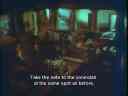
The image shows a dimly lit room with several scattered objects, including nets and other materials. The room appears to have a rustic or industrial feel, with visible structural elements like beams and windows. The lighting is uneven, creating shadows and giving the space a mysterious atmosphere. The text in the image reads, "Take the nets to the varandah at the same spot as before." The location seems to be a rural or semi-urban area, possibly in a region where such structures are common.
The image shows a dimly lit indoor setting with a few people visible in the background. There is a screen on the left side displaying some content, and a few objects, including a tripod stand and a lamp, are scattered around. The lighting is low, and the overall atmosphere appears to be that of a casual or informal gathering. The location seems to be indoors, possibly in a basement or a similar space.
The image shows a person holding a large, bright light, directing it toward the right side of the frame. The light is mounted on a stand, and the person appears to be focused on ensuring the light is properly positioned. In the background, there are other individuals, some of whom are partially visible, standing in a dimly lit area. The scene seems to be outdoors, possibly in a rural or open area, as the ground appears to be grassy or natural. The text in the image reads, "Get it off from right side..."
The image shows a person wearing a white shirt, with one arm raised and pointing upward. The background is dark, and the person appears to be in a dimly lit environment. The text in the image reads, "yes, a little down, more... more..."
The image shows a dark, grassy area with a few glowing objects scattered around. There is a faint light source in the background, illuminating part of the scene. The terrain appears uneven, with some vegetation visible. The glowing objects seem to be small and irregularly shaped, possibly insects or plants. The scene is likely outdoors, possibly in a rural or natural setting.
The image shows a person standing in a dimly lit area, holding a large cylindrical object that appears to be a light or a spotlight. The surroundings include a stone wall, some greenery, and what seems to be an old structure or building. The lighting suggests it might be nighttime or a low-light environment. The person is wearing a white shirt and appears to be focused on the object they are holding. The area has an old-world charm, possibly a historical or cultural site.

The image shows a dark environment illuminated by glowing greenish lights. The lights appear to be floating or suspended in the air, with some resembling small, irregular shapes and others appearing more like elongated forms. The scene seems to be set in a natural or outdoor area, possibly at night, with the glowing lights creating a mysterious and otherworldly atmosphere. The terrain appears uneven, with some areas darker and others slightly illuminated. The glowing lights are scattered across the scene, with some clustering in certain areas.
The image shows a group of people gathered outdoors at night, illuminated by a bright light source. They appear to be engaged in a social activity, possibly dancing or interacting with each other. The background includes a large screen or projection, which is emitting a bright glow. The setting seems to be in a rural or semi-urban area, possibly in a tropical or subtropical region, given the vegetation and the attire of the individuals.
The image shows a group of people gathered closely together, engaged in what appears to be a lively conversation or celebration. The setting seems to be indoors, with dim lighting that creates a warm and intimate atmosphere. The individuals are dressed casually, and some are wearing traditional attire. The group appears to be interacting with one another, with smiles and gestures suggesting a friendly or celebratory mood. The background is dark, making it difficult to discern specific details. The possible geographic location seems to be in a region where traditional clothing is common, potentially in South Asia or the Middle East.
The image shows a group of people walking together in what appears to be a dimly lit indoor setting. Most of them are dressed in light-colored clothing, and there is a screen in the background displaying a bright, possibly white, light. The group seems to be engaged in a casual or social activity, possibly a gathering or celebration. The lighting is low, and the atmosphere appears to be relaxed. The possible geographic location is not clear, but the attire and setting suggest it could be in a region where such clothing is common.
The image shows a group of people gathered closely together, engaged in what appears to be a lively conversation or celebration. The setting seems to be indoors, with dim lighting that creates a warm and intimate atmosphere. The individuals are dressed casually, and their expressions suggest they are enjoying themselves. The scene appears to be in a social or cultural gathering, possibly in a community center or a similar venue.
The image shows a dimly lit, cluttered room with various objects scattered around. There are wooden beams and a few windows in the background, letting in some light. The room appears to be old and possibly abandoned. The text in the image reads, "Cables lying here and there..."
Radhamohan Bhattacharya, the village head-master, is perhaps best remembered for Bimal Roy's remarkable first film 'Udayer Pathe' (1944) which, despite being made under the aegis of the New Theatres Ltd., anticipated many of the thematic and ideological concerns of the IPTA. A staunchly Marxist critique of class, privileges, labour rights and family, 'Udayer Pathe' is one of the early examples of the sort of cinematic representation of a vibrant political sensibility that Mrinal Sen showcases in his 1970s films. Bhattacharya's character, the grand old-man of the village, is the moral epicenter of the village community and appears at crucial junctures of the film. He stresses on a notion of faith which is extremely important in the context of the aesthetic self-criticism that is Mrinal Sen's preoccupation in the film. At the same time his liberal progressive views on religion and politics can co-exist with a strong sense of tradition. He, typically, does not like cinema, having seen one talkie 'Billamangal' (Bengali, 1932) based on Sudraka's (2 BCE - 5 AD) Sanskrit play 'Mricchakatika' or 'The Little Clay Cart').
The image shows two individuals in what appears to be a dimly lit room. One person is wearing a white garment and holding a phone to their ear, while the other person is dressed in a light-colored shirt and shorts. The background includes a few indistinct objects, possibly furniture or equipment. The text in the image reads, "Namaskar, Namaskar."
The image shows three individuals seated around a wooden table in a dimly lit room. The walls appear to be made of brick, and there are large windows in the background. The setting suggests a casual or informal gathering. The text in the image reads, "Running after students..."
The image shows two individuals engaged in a conversation. One is seated, wearing glasses and a white outfit, while the other is standing, facing the seated person. The setting appears to be indoors, with wooden furniture visible in the background. The lighting is dim, giving the scene a warm and intimate atmosphere. The possible geographic location is not clearly discernible, but the style of clothing and furniture suggests a traditional or rural setting.
The image shows a person sitting outdoors, holding a book. The setting appears to be a rustic area with wooden furniture and a grassy ground. The person is wearing a metallic-looking garment, and there is a chair visible in the background. The text in the image reads, "This is the theme."
The image shows a person standing indoors, with a contemplative expression. The background appears to be a dimly lit room with a stone wall, suggesting a rustic or historical setting. The person is dressed in simple, light-colored clothing, and their posture indicates they are deep in thought. The text in the image reads: "The faith with which billamangal climbed over the wall, went to the other side and entered chintamoni's room."
The image shows a person dressed in traditional attire, holding a staff or stick. The background appears to be dimly lit, with a mix of dark and light areas. The person is standing in what seems to be an indoor setting, possibly a room with wooden or fabric walls. The lighting suggests a warm, cozy atmosphere. The person's attire and the setting hint at a possible cultural or regional context, but the exact location is not clear.
The image shows a dimly lit room with wooden furniture, including chairs and a table. A person in a white robe stands near the center, facing away from the camera. The room appears to have a rustic or historical ambiance, possibly suggesting a setting from an earlier time period. The lighting is soft, creating a serene and contemplative atmosphere.
The image shows two individuals seated at a table, engaged in conversation. The setting appears to be indoors, with a rustic or vintage aesthetic, including wooden furniture and a window in the background. The lighting is dim, giving the scene a warm, intimate atmosphere. The text in the image reads, "For example..."
The image shows a person with dark hair and a beard, wearing a light-colored shirt. The background appears to be dimly lit, possibly indoors, with some indistinct objects or structures visible. The person seems to be seated or leaning forward. The setting could be a room with wooden or stone walls, suggesting a rustic or traditional environment.
The image shows a person standing in a dimly lit environment. The individual is wearing a light-colored outfit and appears to be in a formal or traditional setting. The background features a structure with intricate designs, possibly a temple or a monument, with a reddish hue. The lighting is low, creating a mysterious or solemn atmosphere. The text in the image reads "Action..." in English.
The image shows three individuals standing behind a decorative curtain, with a red and gold ornate design. They appear to be in a festive or ceremonial setting, possibly a stage or a decorated area. The scene suggests a cultural or traditional event, with the individuals dressed in white and holding objects that could be ceremonial items. The location appears to be in a region where such traditional attire and decorations are common, possibly in a South Asian or Middle Eastern context.
The image shows a group of people gathered in a dimly lit room. Some are seated, while others stand in the background. A man in the foreground is holding a microphone, seemingly engaged in speaking or singing. There is a bright light source in the background, casting a glow over the scene. The room appears to have a casual and informal atmosphere, with a mix of furniture and equipment visible. The setting seems to be in a residential or community space, possibly in a tropical or warm climate, as suggested by the attire of the individuals.
The image shows a person standing amidst dense green foliage, with their arms raised and holding onto branches. The background is a clear blue sky, and the vegetation appears to be tropical or subtropical. The person is wearing a light-colored shirt and appears to be interacting with the plants.
The image shows a person running outdoors, wearing a white sleeveless top and dark shorts. The background is lush with greenery, including trees and plants, suggesting a natural setting. The person appears to be in motion, possibly jogging or running. The scene seems to be in a forested or park area, with dense vegetation and a natural environment.
The image shows a young girl running outdoors on a grassy area. She is wearing a white sleeveless top and dark shorts. The background appears to be a natural setting with trees and greenery. The lighting suggests it might be daytime. The text in the image is not clearly visible, but there is some text in the background that appears to be in English.
The image shows a person wearing a white garment with green stripes, sitting against a wall made of bricks with patches of green foliage growing around it. The person appears to be engaged in a quiet activity, possibly reading or writing. The setting suggests a rural or semi-urban environment, with the wall and plants indicating a natural or outdoor location.
The image shows a dimly lit doorway leading into a dark interior space. The walls are rough and worn, with patches of faded paint and exposed concrete. The doorway is framed by a rough, rectangular structure, and there is a small, square window high on the wall to the right. The lighting suggests an older or less maintained building. The scene appears to be in a rural or industrial area, possibly in a region with a warm climate, given the texture of the walls and the overall appearance.
The image shows a group of people standing and interacting in what appears to be a modest indoor setting. The walls are plain and slightly worn, suggesting a simple or rural environment. There is a man in traditional attire, a woman in a sari, and another person seated on the floor. The setting seems to be in a region where traditional clothing is common.
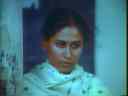
The image shows a person wearing a light-colored garment with small floral patterns. The background appears to be a wall with some visible wear and tear, suggesting an older or rustic setting. The person's hair is dark and pulled back, and they are standing near a corner of a structure. The lighting is soft, giving the scene a calm and serene atmosphere. The possible geographic location seems to be a region with traditional or cultural attire, possibly in a rural or semi-urban area.
The image shows two individuals in a rustic, worn-out corridor with wooden doors and faded walls. One person is standing with hands on hips, wearing a light-colored outfit, while the other is seated, leaning forward slightly. The setting appears to be in a rural or older urban area, possibly in a region with a warm climate. The text in the image reads: "Finding you alone, during the war, the contractor, Mr. Saged has purchased you."
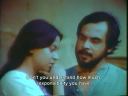
The monologue on respect and dedication to the art of acting is a component of the self-critical drive we have previously discussed. For Sen, working from a staunchly Marxist vantage point, the actor's responsibility through craft is to make one aware of the realities of the everyday - a view sen has reiterated time and again. Mention of 'class' is thus crucial, since one aspect of the film (here, both real and fictional) is to interrogate the continuing history of poverty and deprivation that marks society. The lines recited by Dipankar Dey are variations of Raskolnikov's lines from Fyodor Dostoevsky's 'Crime and Punishment' (1917) (the actual lines are: 'I did not bow down to you [Sonya], I bowed down to all the suffering of humanity').
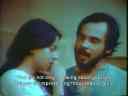
The image shows two individuals engaged in a conversation. One appears to be a woman with long hair, wearing a light-colored top, while the other is a man with a beard, dressed in a shirt. The background is plain and neutral, suggesting an indoor setting. The text in the image reads, "You are not only speaking about yourself but you are representing thousands of girls." The geographic location is not clearly discernible, but the setting appears to be a casual indoor environment.
The image shows a group of people standing in what appears to be a modest indoor setting. The walls are plain, and there is a wooden door in the background. The individuals are dressed in traditional attire, with one person wearing a checkered garment and others in light-colored clothing. The atmosphere seems calm and informal. The text in the image reads, "It will grow on its own."
The image shows three individuals standing indoors. One person is facing away, wearing a light-colored outfit, while the other two are standing nearby. The walls appear to be plain and slightly worn, suggesting a modest setting. The person on the right is holding a metallic object, possibly a pot or container. The text in the image reads, "What is your name?"
The image shows a person wearing a white blouse with a floral pattern and a colorful checkered shawl draped over their shoulder. The background appears to be a plain wall with a door or window frame visible. The person is standing indoors, possibly in a modest setting. The lighting is soft, and the overall tone suggests a calm and quiet environment.
The image shows two individuals standing in front of a plain wall. One person is holding a small object, possibly a cup or container, near their mouth, while the other person is standing nearby, observing. The setting appears to be outdoors, with a rustic or rural backdrop. The text in the image reads: "In an accident his hand was cut off."
The image shows a section of a building with a door and a wall. The wall appears to have a light blue or white color, with some visible wear and patches. The door is slightly open, and the frame around it is arched. The overall structure seems to be made of stone or concrete. The scene appears to be in a residential or urban area, possibly in a Mediterranean or European region based on the architectural style.

The image shows a person with dark hair wearing a light-colored shirt, sitting in what appears to be a dimly lit indoor setting. Behind them, there are other individuals, one of whom is wearing a white shirt. The environment suggests a casual or social gathering. The lighting is soft, and the background is slightly blurred, indicating a focus on the person in the foreground. The setting appears to be indoors, possibly in a café or a similar venue.
The image shows a person sitting inside a vehicle, possibly a bus, with a window view of greenery outside. The person is wearing a light-colored outfit with a green scarf draped over their shoulder. The background outside the window appears to be a natural setting, likely a rural or forested area.
The image shows a group of people sitting inside a vehicle. The interior appears to be simple, with visible seats and a roof. The people are seated closely together, and the atmosphere seems casual. The lighting suggests it might be daytime. The visible text in the image is in English.
The image shows a rural road stretching into the distance, flanked by green fields and trees. There is a large tree on the left side, providing shade over a small group of people standing near a fence. The sky is clear, and the area appears to be calm and quiet. The road seems to lead towards a cluster of houses or buildings in the distance. The geographic location appears to be a countryside area, possibly in a tropical or temperate region.
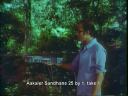
The film-within-film sequence, shot in long takes, are interrupted only by the camera which intrudes into the screen - foregrounding the material nature of the process of constructing cinematic realities. This fits with the critical thrust in the film regarding a film-maker's quest for realism and the cost it incurs. The only other film of Sen's where the camera is seen on screen, to disrupt as well as to herald the arrival of a new cinema aesthetic, is 'Interview'.
Two individuals are seated outdoors, engaged in conversation. One is leaning forward, while the other appears to be gesturing with their hands. They are dressed in traditional attire, with one wearing a shawl draped over their shoulder. The setting appears to be a rural or semi-urban area, with greenery visible in the background. The text in the image reads: "Yesterday, approximately around 9 am."
The image shows a group of people gathered around a large, vintage-style camera. The camera is being operated by a person wearing a dark shirt, who is focused on adjusting the equipment. The surrounding individuals appear to be observing or assisting with the setup. The scene seems to take place outdoors, possibly in a public or urban area.
The image shows a group of people standing outdoors, surrounded by greenery. The central figure appears to be a man with a beard, wearing a light-colored shirt, and he seems to be engaged in conversation or gesturing. The surrounding individuals are dressed casually, and the setting suggests a warm, sunny day. The background includes lush foliage, indicating a rural or suburban environment.
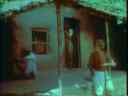
The image shows a rustic, rural setting with a thatched roof structure. There are three individuals visible: one sitting on the ground near the left, another standing in the doorway, and a third person leaning against a pillar on the right. The structure appears to be made of natural materials such as wood and clay, and the scene is dimly lit, suggesting it might be evening or a low-light environment. The setting seems to be in a rural or village area, possibly in a region with a warm climate.
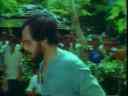
The image shows a man with dark hair and a beard, wearing a light-colored shirt, walking in a lush, green outdoor setting. There are trees and foliage in the background, and a crowd of people is visible, suggesting a gathering or event. The scene appears to be in a rural or forested area, possibly in a tropical or subtropical region.
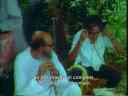
The image shows two individuals seated outdoors in a lush, green environment. One person is wearing a white outfit and appears to be holding a stick or similar object, while the other person is dressed in a light-colored shirt and dark pants, with a hat on their head. The background consists of dense vegetation, suggesting a rural or forested area. The text in the image reads: "No not exactly all complete. This shot is still remain."
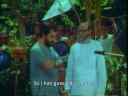
The image shows two individuals standing outdoors, surrounded by greenery and other people in the background. One person is wearing a light blue outfit, while the other is dressed in white. There are visible microphones and a camera, suggesting a public gathering or event. The text in the image reads, "So I had guessed as much."
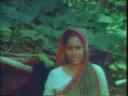
The image shows a person standing outdoors, surrounded by lush green foliage. The individual is wearing a white top and a red-bordered garment draped over their shoulder. The background features dense vegetation, possibly indicating a rural or forested area. The person appears to be in a natural setting, possibly engaged in an activity related to the environment.
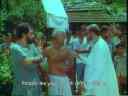
The image shows a group of people gathered outdoors in a rural setting. A man in the center is shirtless, with others surrounding him, seemingly engaged in a ritual or ceremony. The background includes greenery and a traditional thatched-roof structure, suggesting a village environment. The text in the image reads, "People like you are still in this village."

The image shows a man in a white outfit walking among a crowd of people who appear to be outdoors. The crowd is holding umbrellas and some are wearing hats, suggesting a sunny or hot environment. The man in the foreground is walking past a group of people who seem to be engaged in a gathering or event. The background is filled with greenery, indicating a natural or rural setting. The people in the crowd are standing close together, and some are holding objects like hats and umbrellas.
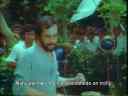
The image shows a man standing outdoors, surrounded by greenery and other people in the background. He appears to be in a casual setting, possibly engaged in a conversation or activity. The text in the image reads, "Mahajaw, take the camera outside on trolley."
The image shows a group of people gathered around a wooden structure, possibly a small shrine or altar. The setting appears to be outdoors, with natural light filtering through the trees. The group seems engaged in a communal activity, with some individuals holding objects or tools. The text in the image reads, "Arrange some chips."

The image shows a person lying on a bed or couch, covered with a blanket. The lighting is dim, and the person appears relaxed, possibly resting or sleeping. The background is dark, and the setting seems to be indoors. The person is wearing a shirt, and the blanket is light-colored.
The image shows a view through a window, with a wooden structure in the foreground, possibly a dock or a platform. The background appears to be a body of water, with a greenish hue, suggesting it might be a lake or river. The scene is likely outdoors, with natural light illuminating the area.
The image shows a courtyard surrounded by arched corridors, with a central open space. The structure appears to be made of stone or brick, with a weathered and aged appearance. The surrounding walls have multiple windows, and the area seems to be part of a larger, historical building. The overall atmosphere suggests a location that might be in a region with a warm climate, possibly in a historical or colonial setting.
The image shows a person standing in a doorway, wearing a patterned garment. The surroundings appear to be indoors, with a plain wall and a wooden door visible. The person is holding something in their hand, possibly a small object. The lighting is soft, and the overall setting seems calm. The person's attire and the door's design suggest a modest, possibly residential environment.
1943
1959
1971
famine
famine game
game
photographs
The famine 'game', seen earlier too, foregrounds the dis/connections between the reality of the film-crew at the centre of this film, and their quest for realism in art. It also proceeds to illuminate Sen's central concerns - the continuation of the 1943 famine conditions in the lives of the people even after so many years. 'Darkness at noon' is probably a reference to the 1940 German language novel of the same name by Arthur Koestler, written in indictment of the Soviet Union and the Stalinist regime before World War II.
Smita Patil plays herself, as the female lead in the film.
The image shows a person sitting on a bed, holding a photograph. The person is wearing a yellow garment and appears to be looking at the photograph. There is another person lying on the bed, partially visible, with a pink blanket covering them. The room has a casual setting, with a wooden wardrobe and a door in the background. The text in the image reads, "Tell, which period?"
The image shows a person with a beard and dark hair, wearing a brown jacket, sitting indoors. The background features a patterned wallpaper with repeated images of a face. The text in the image reads "Yeh, 1943."
The image shows two individuals in a casual setting. One person is wearing a white shirt with a small logo on the chest, while the other person is wearing a shirt with purple and white stripes. The background appears to be indoors, possibly in a residential or informal setting. The lighting is warm, and the overall atmosphere seems relaxed.
The image shows two individuals sitting on a bed in a room with wooden furniture and a window in the background. One person is wearing a yellow garment, while the other is dressed in a green shirt and pink pants. The room appears to be modest, with a few items scattered around. The text in the image reads, "In 1959 there was a mini famine."
The image shows four individuals sitting on the floor in a room with patterned wallpaper. They appear to be engaged in a conversation or activity, with one person holding a small object. The room has a cozy and informal atmosphere, with a visible crack in the wall. The individuals are dressed casually, and the setting suggests a domestic or communal environment. The possible geographic location is a residential area in a region with a warm climate, possibly in South Asia.
The image shows a person sitting indoors, wearing a yellow garment with patterns. The person appears to be holding a piece of paper or a book. The background includes a wall with a hanging cloth and a piece of furniture. The setting suggests a domestic or casual environment.
The image shows four individuals sitting on the floor in a room with patterned wallpaper. They appear to be engaged in a conversation or activity, with one person wearing a yellow shirt and another in a white shirt. The room has a simple and modest appearance, with visible wooden beams on the ceiling. The individuals seem to be in a relaxed setting, possibly a living room or a communal area. The possible geographic location is a rural or semi-urban area, likely in a region where traditional clothing is common.
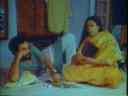
The image shows two individuals sitting on a bed in a room with wooden furniture and a window in the background. One person is wearing a yellow garment, while the other is dressed in a green shirt. There are some items on the bed, including a small box and a cloth. The room appears to be in a residential setting, possibly in a region where such attire is common.
The image shows a group of people sitting on the floor in a room with patterned wallpaper. They appear to be engaged in a discussion or conversation. The room has a relaxed and informal atmosphere, with some individuals leaning forward and others sitting back. The text in the image reads, "Should I say... Load shedding, power crisis." The setting seems to be in a residential area, possibly in a region where load shedding is a common issue.

There is an incident Sen recollects regarding the shooting of the death of the paralytic old man; he has mentioned it both in his memoirs and in the letter written to Gita Sen at the time of shooting. The death sequence was to be shot on location, but the sequence immediately after it, where the woman is dressed in the garb of a widow near a pond, was shot first and greatly distressed the villagers. This sequence was eventually shot in Aurora studios. Sen recalls: 'There was one sequence which I couldn't do here, which I had to do in the studio. It was the sequence of the paralyzed husband in the house, who dies one night during the shooting of the famine film. We had originally thought of shooting that sequence in the house here, in the room here, but then, before that we had to shoot another sequence, in which the widow has to undergo a ritual bath. As we shot the bath near the pond here, I could see that the villagers around, particularly the woman, could not take the sequence in the right spirit. For them, with the superstitions, it was playing with death. They felt very bad about it. And immediately I decided that I should shoot the death of the husband in the studio, away from them. They cannot be ‘corrected’. They will live and sleep with their superstitions. And then, when you ask me about my responsibility as a filmmaker, my social and moral responsibility, I know I cannot ‘correct’ the people about whom I make these films.' (‘Interview: 1983’, Interviewed by Reinhard Hauff, ‘Montage – Mrinal Sen: Life, Politics, Cinema’, Seagull Books, Calcutta, 2002)
The image shows a multi-story building with illuminated windows, suggesting it is occupied. The lighting is warm, and the structure appears to be made of wood or a similar material. The building is surrounded by darkness, indicating it is nighttime. The floors are visible, with some furniture and objects faintly visible inside. The structure seems to be in a rural or suburban area, possibly in a region with a temperate climate.
The image shows a dimly lit interior with multiple windows, some of which are open. A person is visible through one of the windows, sitting and possibly engaged in an activity. The room appears to have wooden walls and a warm, muted lighting. The setting seems to be a residential or small communal space, possibly in a rural or suburban area.
The image shows a person standing in front of a wooden door, wearing a dark outfit with red stripes. The setting appears to be indoors, with a wooden railing in the foreground. The lighting is dim, giving the scene a muted and somber atmosphere. The person is facing slightly to the right, with their head bowed. The background includes a plain wall and a door with visible panels. The possible geographic location is a residential or traditional indoor setting, possibly in a region with wooden architecture.
The image shows a person standing near a wooden door with a light-colored wall beside them. The person is wearing a patterned garment, and there is a visible wooden railing on the wall. The setting appears to be indoors, possibly in a rural or traditional area.
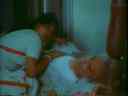
The image shows a person lying on a bed, wearing a light-colored shirt, with another person leaning over them, appearing to engage in a caring or attentive interaction. The room has a simple, modest appearance, with visible wooden furniture and a plain wall in the background. The lighting suggests an indoor setting, possibly in a residential or healthcare environment. The scene appears to be in a region where English is not the primary language, as there are non-English characters visible on the clothing and in the background.
The image shows a person lying down, with their head resting on a surface. A hand is gently placed on their head, and the person appears to be in a relaxed or possibly unconscious state. The lighting is dim, and the scene has a somber tone. The person's clothing is light-colored, and there is a visible bracelet on their wrist. The setting appears to be indoors, possibly in a residential or medical environment. The text in the image reads, "Everything is finished……"
The image shows a courtyard surrounded by arched structures with columns. The area appears to be an open space with a central pathway leading to a raised platform. The surrounding buildings have a historical architectural style, possibly colonial or traditional. The sky is visible, and there are a few birds flying above. The text in the image is in English, and it reads: "The courtyard is surrounded by arched structures with columns."
This sequence, Sen mentions in his letter to Gita Sen, was inspired by a similar incident while shooting for 'Baishe Shravan' in Mankor. One of the owner of the run-down palace of Mankor, the setting for 'Baishe Shravan', Dulal Kaviraj's wife had suddenly gone into labour and had to be rushed fourteen kilometres away to the hospital in Panagarh. The production team, at Sen's urging, had immediately rushed to the couple's aid. This incident from twenty years ago, remembered in a dream while shooting for 'Akaler Sandhane', inspired this sequence.
The image shows a structure with large, weathered stone columns, some of which have visible brickwork. The columns appear aged, with patches of discoloration and wear. In the background, there is a building with wooden doors and windows, suggesting a historical or traditional architectural style. The setting appears to be indoors, possibly in a large hall or courtyard. The overall atmosphere suggests a place of historical significance, possibly in a region with a warm climate.
The image shows a group of people standing in a rustic, brick-walled area. The walls appear aged and weathered, suggesting an older or rural setting. The individuals are dressed in traditional attire, with some wearing light-colored garments. The scene seems to be a casual gathering or discussion.
The image shows a man and a woman standing near a doorway. The woman is wearing a light-colored sari with a floral pattern, and the man is dressed in a white shirt. They appear to be engaged in a conversation. The background suggests an indoor setting, possibly a residential area. The walls and door are painted in light colors, and there is a wooden panel visible in the background.
The image shows a rustic outdoor setting with a wooden balcony and stone columns. Clothes are hung on a line to dry, including a brown towel and a white towel. The structure appears to be part of an older building, possibly in a tropical or subtropical region.
The image shows a person walking through a narrow hallway with white walls and wooden doors. The hallway appears to be in a residential or older building, with visible wear and tear on the walls. The person is dressed in a light-colored outfit, and the setting suggests a quiet and possibly older environment.
The image shows two individuals standing on a balcony with a view of a building in the background. The person on the left is wearing a white shirt, while the person on the right is leaning against the railing, wearing a dark dress with floral patterns. The balcony has ornate metal railings, and the building in the background appears to have large windows and a classical architectural style. The scene seems to be set in an urban area, possibly in a city with historical or colonial architecture.
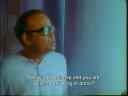
The image shows a person wearing a white garment, standing near a wall. The individual appears to be looking at something or someone off-camera. The setting seems to be indoors, with a plain wall in the background. The lighting is soft, and the overall tone is calm. The person's posture suggests they are engaged in a conversation or observing something.
The image shows a person with long, dark hair standing in front of a building with multiple windows. The person appears to be wearing a dark outfit with a floral design on the shoulder. The background suggests an urban setting, possibly in a residential or commercial area.
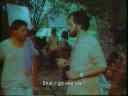
The image shows two individuals standing outdoors in a natural setting, surrounded by trees and foliage. One person is wearing a light-colored shirt, and the other is dressed in a white outfit. In the background, there are several people seated, possibly engaged in a gathering or event. The scene appears to be casual and relaxed. The text in the image reads, "Shall I go and see?"
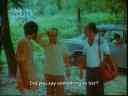
The image shows three individuals standing outdoors near a tree and a parked car. The setting appears to be a rural or suburban area with greenery and a dirt path. The individuals are engaged in a conversation, with one person gesturing with their hand. The text in the image reads, "Did you say something to her?"
The image shows a large group of people sitting outdoors, possibly in a rural or semi-urban setting. The crowd appears to be gathered for an event or gathering, with some individuals seated on chairs and others standing in the background. The environment suggests a warm climate, as many people are dressed in light clothing. The setting appears to be in a region with a tropical or subtropical climate, possibly in South Asia or Southeast Asia.
The image shows a person wearing a white shirt and a light-colored hat, standing outdoors in a wooded area. There are trees and other people in the background, some of whom appear to be sitting or standing near a picnic table. The setting seems to be a park or a recreational area, with greenery and a casual atmosphere. The person in the foreground is holding something in their hand, possibly a small object or utensil. The scene appears to be in a rural or suburban area, with visible structures and parked vehicles in the background.
The image shows two individuals standing in a lush, green outdoor setting surrounded by trees and vegetation. One person is wearing a light-colored shirt, while the other is dressed in a striped shirt and has crossed arms. The background suggests a natural environment, possibly a forest or a park.
The image shows two individuals standing outdoors in a lush, green environment, possibly a forest or garden. The person on the left is wearing a white shirt with blue accents, while the person on the right is dressed in a light-colored kurta. The background is filled with dense foliage, and the setting appears natural and serene. The text in the image reads: "Yesterday she said that course saris do not suit her."
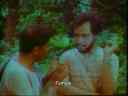
The image shows two individuals standing outdoors in a natural setting, surrounded by greenery. One person is wearing a light-colored shirt, and the other is wearing a darker shirt with a checkered pattern. The person in the checkered shirt has their arm raised, and the other individual is gesturing with their hand. The background consists of trees and foliage, suggesting a forest or rural area. The text in the image reads "Female."
The image shows a rural road with a person riding a bicycle pulling a cart. The road is surrounded by green fields and a few scattered trees. The sky appears overcast, and the scene is calm and serene. The geographic location seems to be a countryside area, possibly in a region with agricultural activity.
The image shows a person with short hair, standing in a natural environment with greenery in the background. The lighting is soft, and the scene appears to be outdoors, possibly in a forest or a wooded area. The person is partially visible, with their shoulder and part of their head in the frame.
The image shows a pathway surrounded by dense greenery, with trees and bushes lining the sides. The path appears to be a dirt road, slightly uneven, leading into a shaded area. The lighting suggests it is daytime, with sunlight filtering through the trees. The area seems to be a rural or natural setting, possibly a forest or a park.
The image shows a person with short hair and a beard, standing against a clear blue sky. The lighting suggests it might be outdoors, possibly during the day. The person appears to be shirtless, and the background is uniformly blue, indicating a clear sky.
The image shows a road stretching into the distance, flanked by greenery on both sides. The road appears to be paved and slightly wet, with a patch of darker water or mud on the left side. The surrounding area is lush and appears to be a rural or natural setting. The sky is overcast, and the vegetation is dense and vibrant.
The image shows a person wearing a light-colored head covering, with a visible hand near their face. The background appears to be dark, with some faint, colorful lighting. The person seems to be in a setting that could be outdoors or in a dimly lit indoor area. The possible geographic location is not clear, but the attire and lighting suggest a region where such head coverings are common.
The image shows a rural road bordered by greenery, with a large tree on the left and a fence on the right. There is a person standing near the fence, and the scene appears to be set in a calm, open area with a distant view of water or a large field. The environment suggests a countryside or a rural setting.
The image shows a group of people near a body of water, possibly a river or pond, surrounded by green vegetation. The individuals appear to be engaged in an activity near the water's edge, with one person leaning over the water. The scene is set in a natural environment, with grass and water visible.
The image shows a group of people sitting outdoors on a platform with a scenic backdrop of lush greenery and a large, ornate building in the distance. The setting appears to be in a tropical or subtropical region, with palm trees visible in the background. The people are casually dressed, and the atmosphere seems relaxed.
Durga's (Sreela Majumdar) character is replete with symbolism; her own life story parallels the stories of the characters of the fictional famine film. This association foregrounds the continuing nature of the famine for the lower and peasant classes of society; at the same time, it also sets up the dramatic conflict around Durga and her interactions with the film crew which will be important later on in the narrative. In fact, it becomes amply clear in the very next scene when the rehearsal for the sequence with Sabitri (Smita Patil) becomes too real and emotional for Durga who cries out in horror and pain, disrupting the shoot. Durga's own home and her family, seen immediately after, reaffirm the deliberately symbolic dimensions of the character.
The image shows a person dressed in traditional attire, carrying a tray with cups and saucers. The background features a natural landscape with greenery and a stone wall, suggesting an outdoor setting. The text in the image reads, "Some have left, some died."
The image shows a person standing outdoors, with trees and greenery in the background. The person appears to be looking away, possibly towards the horizon. The lighting suggests it might be late afternoon or early evening. The person is wearing a light-colored outfit, and their hair is tied back in a bun. The setting appears to be rural or suburban, with a natural environment.
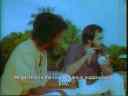
The image shows two individuals sitting outdoors, with one holding a cup and the other appearing to listen attentively. The background includes lush greenery and palm trees, suggesting a tropical or subtropical setting. The text in the image reads: "Majoli that is the role Debika is supposed to play."
The image shows a person lying on a patterned fabric, possibly a blanket or mat, outdoors. The person is wearing a yellow garment, and the surroundings include a stone structure and greenery in the background. The person appears to be resting or sleeping. The text in the image reads, "She had to be."
The image shows a person standing outdoors, with a blurred natural background of trees and greenery. The person appears to be wearing traditional attire, possibly indicative of a rural or village setting. The text in the image reads, "Due to hunger Maloti has become a full fledged prostitute."
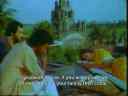
The image shows a group of people gathered near a large, ornate structure resembling a castle or temple, surrounded by lush greenery and palm trees. The setting appears to be in a tropical or subtropical region, with a clear sky and open landscape. The people are dressed in traditional attire, and one person is leaning on a stone surface, while others are seated nearby.
The image shows a person standing against a plain blue background. The individual is wearing a dark-colored shirt with a buttoned collar. The person has medium-length hair and a beard. The setting appears to be indoors, possibly in a studio or a controlled environment. The lighting is even, and the background is free of any distinct features or objects.
The image shows a person standing in a dark, rocky environment. The surroundings include a large rock formation with visible striations, and there is some vegetation visible in the foreground. The lighting is dim, making it difficult to discern finer details. The person appears to be wearing a jacket and is standing near the rock. The environment suggests a natural, possibly mountainous or cave-like setting.
The image shows a person sitting in a dimly lit room, wrapped in a white cloth. The background features a shelf with various objects, possibly tools or containers, and a window with a view of a cloudy sky. The person appears to be looking towards the camera. The text in the image reads, "Who is there?"
The image shows a person sitting in a dimly lit area, possibly a cave or a rustic room. The person appears to be engaged in an activity, possibly crafting or working with their hands. The surroundings are dark, with some visible wooden structures or tools in the background. The person is wearing a red garment, and the overall setting suggests a rural or traditional environment.
The image shows a dimly lit room with a rustic appearance. A man is sitting on the edge of a bed, while a child lies on the bed. There are various household items, such as pots and dishes, visible on shelves in the background. The room appears to be in a rural or modest setting, possibly in a village or countryside area.
The image shows a person wearing a white shirt and a red scarf, bending over to interact with another person who is seated. The setting appears to be indoors, with dim lighting and a few visible objects in the background, including a small statue or figurine. The scene seems to take place in a room with a rustic or traditional aesthetic. The person standing is likely engaged in a conversation or assisting the seated individual.
The image shows a dimly lit room with a stone wall on the left side. There is a person standing in the center, partially obscured by shadows. The lighting is greenish, creating a mysterious atmosphere. The person appears to be wearing a dark outfit, and there is a faint light source in the background. The setting seems to be indoors, possibly in a cave or an ancient structure.
The image shows a person sitting on the ground, wearing a white shirt and a red sash. They appear to be engaged in some activity, possibly cooking or preparing food, as there is a metallic pot and other utensils nearby. The setting seems to be a rustic or rural environment, with a thatched roof visible in the background. The lighting is dim, suggesting it might be evening or nighttime. The person is focused on their task, and the surroundings indicate a simple, traditional lifestyle.
The image shows a person sitting on the floor in a dimly lit room. They are wearing a white shirt and a red garment draped over their shoulder. The person appears to be engaged in an activity, possibly cooking or preparing food, as there are utensils and a pot visible nearby. The surroundings include a woven mat and some wooden objects, suggesting a rural or traditional setting. The lighting is low, and the overall ambiance appears to be calm and focused.
The image shows a person standing in a dimly lit environment, possibly a cave or an underground setting. The surroundings appear rugged, with visible rock formations and a dark, earthy atmosphere. The person is shirtless, holding something in their hand, and draped with a cloth over one shoulder. The text in the image reads, "From where did you get all this?"
The image shows a person sitting in a dimly lit room, holding a stick or rod in their hand. The individual appears to be focused on something in front of them, possibly writing or drawing. The setting seems to be rustic, with a rough wall in the background. The person is wearing a white shirt and a colorful garment draped over their shoulder. The lighting is soft, creating a warm and intimate atmosphere. The possible geographic location could be a rural or traditional area, possibly in a region where such attire is common.
The image shows a person standing in a dimly lit environment, possibly a cave or an underground setting. The individual is shirtless, draped in a white cloth, and appears to be holding onto a structure or object. The surroundings are dark, with some visible wooden beams or supports. The setting suggests a rustic or natural environment, possibly in a tropical or forested area.
The image shows a person sitting in a dimly lit room. The individual is wearing a white shirt and a traditional garment, possibly a sari, with a red and brown pattern. The person is holding a tool, possibly a knife or a similar object, in their right hand. The background appears to be a plain wall with some visible cracks. The lighting is soft and creates shadows, giving the scene a calm and subdued atmosphere. The person's posture suggests they are engaged in a task or activity. The setting seems to be in a rural or traditional area, possibly in a region where such attire and tools are common.
The image shows a person standing in a dimly lit environment. The individual appears to be shirtless and draped in a white cloth over one shoulder. The background is dark, with some indistinct shapes and objects visible. The setting seems to be indoors, possibly in a cave or a rustic room.
The image shows a person wearing a white shirt and a traditional sari, sitting in a dimly lit room. They appear to be engaged in an activity involving a pot or container, possibly cooking or preparing food. The setting suggests a rural or traditional environment, possibly in a village or countryside.
The image shows a person with a dark complexion, wearing a white garment draped over one shoulder, standing in a dimly lit environment. The background appears to be a rustic or rural setting, possibly a wooden structure or a cave. The lighting is low, creating a shadowy atmosphere.
The image shows a person leaning against a wall, with their head resting on their hand. The lighting is dim, creating a shadowy and moody atmosphere. The person appears to be in a confined space, possibly a small room or a narrow corridor. The walls are rough and textured, suggesting an older or rustic setting. The person is wearing a white shirt, and their posture suggests they might be tired or deep in thought. The overall scene feels intimate and personal.
The image shows a person standing in a dimly lit environment. The individual is wearing a white garment wrapped around their body, and their upper torso is bare. The background appears to be a dark, rocky or cave-like setting. The lighting is low, making it difficult to discern finer details. The person seems to be in a natural or outdoor setting, possibly in a remote or rugged area.
The image shows a dimly lit room with a person sitting on the floor, wrapped in a blanket. The surroundings appear to be rustic, with rough walls and minimal furnishings. The lighting is soft and subdued, creating a somber atmosphere. The person seems to be in a state of contemplation or distress. The text in the image reads, "Have you become dumb?"
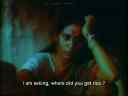
The image shows a person sitting in a dimly lit room, leaning on their hand. They are wearing a white shirt and a traditional garment, possibly a sari, with a red border. The lighting is soft, casting shadows on their face, and the background appears to be a plain wall. The person seems to be in a contemplative or serious mood. The setting suggests a rural or modest environment, possibly in a region where traditional attire is common. The text in the image reads, "I am asking, where did you get rice?"
The image shows a person with a dark complexion, wearing a white garment draped over one shoulder. The background appears to be dimly lit, possibly indoors. The person is standing in a relaxed posture, with their upper body visible. The lighting creates a soft contrast, emphasizing the person's features. The setting seems to be a modest or rustic environment, possibly in a rural or village area.
The image shows a person sitting in a dimly lit room, leaning on their hand. They are wearing a white shirt and a traditional garment, possibly a sari, with a red and green pattern. The lighting is soft and creates shadows, giving the scene a contemplative or somber mood. The person appears to be in a quiet, possibly rural or modest setting, as suggested by the simplicity of the surroundings. The text in the image reads, "By over understanding we are in this condition."
The image shows a person with a beard and long hair, wearing a white cloth draped over one shoulder. The background appears dark and textured, possibly resembling a cave or rocky environment. The lighting is dim, casting shadows on the person's face. The text in the image reads, "I know from where you've got them."
The image shows a person sitting with their arms crossed, wearing traditional attire, and a bindi on their forehead. The lighting is dim, and the background appears to be a plain wall. The person seems to be in a contemplative or serious mood. The possible geographic location could be a rural or semi-urban area in a region where traditional clothing is common. The text in the image reads, "You went to the contractor of Calcutta."
The image shows a dimly lit room with two individuals in the foreground. One person appears to be leaning over another, who is lying down. The setting suggests a close, possibly intimate interaction. The lighting is low, creating a somber or serious atmosphere. The individuals' clothing and the environment hint at a rural or traditional setting, possibly in a region with a tropical climate. The text in the image reads: "Why didn't you hang yourself before meeting those contractors of Kolkata?"
The image shows a person lying on the ground, wearing light-colored clothing. The surroundings appear dark, and the person seems to be in a state of distress or exhaustion. The scene is likely outdoors, possibly in a rural or undeveloped area.
The image shows a person sitting in a dimly lit room. The individual appears to be leaning forward, possibly engaged in an activity such as reading or working. The lighting is low, creating a shadowy and somewhat mysterious atmosphere. The person is wearing a sleeveless top and light-colored pants. The background is dark, and there is a faint outline of a wall or structure to the left. The setting seems to be indoors, possibly in a residential or casual environment.
The image shows a dark, blurry scene with faint, colorful shapes that appear to be moving. The background is predominantly black, and there are some small, indistinct objects scattered throughout. The scene seems to be indoors, possibly in a dimly lit room. There is no clear indication of the geographic location.
The image shows a person sitting in a dimly lit room. The individual appears to be shirtless and is wearing light-colored pants. The lighting is low, creating a shadowy atmosphere. The background is dark, and there is minimal visible detail. The person seems to be engaged in an activity, possibly seated at a table or desk. The setting appears to be indoors, possibly in a residential or casual environment.
The image shows a person with dark, curly hair sitting in a dimly lit room. The walls appear to be made of stone or a similar material, and there is a small, dark object hanging on the wall. The lighting is low, creating a shadowy and mysterious atmosphere. The person seems to be seated on a wooden structure, possibly a chair or a bed. The setting suggests a rustic or primitive environment, possibly in a rural or remote area.
The image shows a person in a dimly lit environment, leaning forward with their head down. The person appears to be wearing a light-colored shirt. The background is dark, and the lighting creates a bluish hue. The person seems to be in a confined or enclosed space, possibly indoors. The text in the image reads, "I won't keep this child paap."
The image shows a dimly lit room with a person sitting in a chair, holding a camera. The lighting is low, with a greenish hue visible in the background, possibly from a screen or light source. The person appears to be focused on something in front of them, possibly a subject or scene they are photographing. The setting seems to be indoors, possibly in a studio or a room with a controlled environment. The overall atmosphere is dark and moody.

The image shows a group of people standing in what appears to be a dimly lit indoor setting. The central figure is wearing a light-colored shirt and is positioned in the foreground. Behind them, there are several individuals, some of whom are wearing brightly colored clothing. The lighting is low, and the background is dark, suggesting a casual or informal gathering. The setting appears to be a public or social space, possibly a bar or a club.
The image shows a person wearing a blue patterned outfit, sitting in a dimly lit environment. The background appears to be a gathering of people, possibly in a social or cultural setting. The person is holding their hands together, and there is a visible bracelet on their wrist. The setting seems to be indoors, with a focus on the individual in the foreground.
The image shows a person wearing a blue patterned outfit with a headscarf, sitting in a dimly lit environment. The person appears to be in a group setting, with other individuals visible in the background. The lighting is low, and the focus is on the individual in the foreground. The setting seems to be indoors, possibly in a gathering or event.

The image shows a person standing in a dark environment. The individual appears to be wearing a jacket and is positioned in the center of the frame. The surroundings are very dark, making it difficult to discern additional details. The person seems to be facing slightly to the left.

The image shows a dimly lit room with a person standing near a wall. The wall has a visible electrical outlet and a small window above it. The room appears to be in a residential or small commercial setting, possibly in a basement or an older building. The lighting is low, and the overall atmosphere is dark and subdued.

The image shows a dimly lit room with a person standing near a pot on a stove. The person appears to be engaged in cooking or preparing food. The room has a rustic appearance, with a visible wall and a small light source on the right side. The overall setting suggests a rural or traditional environment.
The image shows a person lying on the ground, covered by a blanket. The surroundings appear to be outdoors, with a rough, uneven surface and some scattered debris. The lighting is dim, casting shadows and giving the scene a somber tone.
The image shows a dimly lit room with a person sitting on the right side, partially obscured by shadows. There is a small lamp emitting a soft greenish light, casting a faint glow on the walls. A large clay pot is visible on the left side, and the walls appear to have some decorative patterns or carvings. The room seems to have a rustic or traditional aesthetic, possibly indicative of a rural or historical setting. The overall atmosphere is quiet and subdued.
The image shows a person leaning against a rough, textured wall, possibly made of stone or concrete. The lighting is dim, casting shadows and giving the scene a somber, introspective mood. The person appears to be shirtless, with a contemplative expression. The setting seems to be indoors, with a rustic or aged appearance. The possible geographic location is a rural or traditional area, possibly in a region where such stone or earthen walls are common.
The image shows a dimly lit room with a person sitting in the foreground. The individual appears to be engaged in a conversation, gesturing with their hand. The setting suggests a rural or traditional environment, possibly in a village or small town. The lighting is soft, and the atmosphere feels intimate and reflective.
The presence of the film crew begins to affect the village economy. Food, much of which is sent off to the cities to begin with, starts getting scarce as prices start rising due to the increased demand. The sequence harks back to the prophetic words of the old man when the crew had entered the village; the shoot of the famine film has set off another famine.
The image shows a person sitting on the ground surrounded by piles of potatoes and other vegetables. There are baskets filled with various items, and the person appears to be engaged in sorting or handling the produce. The setting seems to be a market or a street-side stall, with a casual and busy atmosphere. The ground is earthy, and the scene is likely in a rural or semi-urban area.
The image shows a group of people engaged in an activity involving a large pile of white, fibrous material on a sandy surface. The individuals appear to be working together, possibly sorting or processing the material. The setting seems to be outdoors, with a rustic and rural atmosphere. The visible text in the image is in English, and it reads: "The people are sorting or processing a large pile of white, fibrous material on a sandy surface."
The image shows a group of people gathered outdoors, with some standing under a canopy or tent. The setting appears to be in a rural or natural area, with trees visible in the background. The lighting suggests it might be daytime.
The image shows a group of people walking outdoors. The scene appears to be in a rural or semi-urban area, with trees and vegetation visible in the background. The people are dressed in light-colored clothing, and some are carrying items on their backs. The overall setting suggests a warm climate.
The image shows a group of people standing outdoors in what appears to be a rural or semi-urban area. The background includes trees and makeshift structures, possibly tents or small buildings. The people are casually dressed, and the scene suggests a gathering or event. The environment appears to be warm and sunny, with greenery visible in the background.
The image shows a group of people gathered in what appears to be a rural or village setting. The background features a thatched roof structure, suggesting a traditional or rustic environment. The people are dressed in casual clothing, and one individual is wearing a hat. The scene appears lively, with some individuals engaged in conversation or activity. The overall atmosphere suggests a community gathering or event.
The image shows a person standing in front of a rustic structure with a thatched roof. The surroundings appear to be a rural or village setting, with wooden furniture and a signboard in the background. The person is wearing a white shirt and glasses. The text on the signboard is partially visible and reads "बास्ते बास्तर" in Hindi, which translates to "Basket Bazaar" in English. The scene suggests a marketplace or a shop in a village.
The image shows a person wearing a white shirt standing in front of a rustic structure with a thatched roof. The surroundings appear to be rural, with greenery visible in the background. The person is facing away from the camera, and there is another individual partially visible to the right. The scene suggests a warm, possibly tropical environment.
The image shows two individuals walking in what appears to be a rural or village setting. The person in the foreground is wearing a white shirt, while the person behind is wearing a sleeveless top. The background includes a structure with a thatched roof, possibly a house or a small shop, and another person in a white shirt is visible in the distance. The scene appears to be outdoors, with natural lighting. The geographic location seems to be a tropical or subtropical region, possibly in Southeast Asia or a similar area.
The image shows a group of people sitting around a wooden table in what appears to be a rustic setting. The room is dimly lit, with some hanging clothes visible in the background. The individuals are engaged in conversation, and one person is holding a cup. The setting suggests a casual, communal gathering, possibly in a rural or semi-rural area.
The image shows a person dressed in white standing in what appears to be a market or outdoor setting. The person is holding a bag and gesturing with their hand. There is another individual in the background, partially obscured, and a structure with a thatched roof visible. The text in the image reads, "I have come for shopping." The setting suggests a tropical or rural area, possibly in a region where such attire is common.
The image shows a dimly lit outdoor setting with a group of people sitting and standing around. A man in a blue shirt is seated on a bench, engaged in conversation with another person whose face is blurred. The background includes other individuals, some of whom appear to be walking or standing. The scene seems to be in a rural or semi-urban area, possibly in a tropical or subtropical region, given the lighting and attire of the people. The text in the image reads, "But can you tell what is happening?"
The image shows a group of people sitting and standing around a wooden table in what appears to be a rustic setting. The individuals are engaged in conversation, and the atmosphere suggests a casual or communal gathering. The background is dimly lit, and the setting seems to be outdoors or in a semi-open area. The text in the image reads: "We cannot get veg. fish. eggs. as it is everything is taken away to the city."
The image shows three individuals sitting outdoors under a tree. The setting appears to be a rural or natural environment, with greenery and trees visible in the background. The individuals are engaged in a conversation, and one of them is wearing a white garment, while another is wearing a scarf. The text in the image reads, "No...no...how can you say such a thing?"
The image shows a group of people standing outdoors under a shaded structure. The background features greenery and trees, suggesting a rural or natural setting. The individuals appear to be engaged in a conversation, with one person holding a small object. The text in the image reads: "Here they are. This is your charminar. No. 10, how much do you need?"

The image shows a person wearing a white sleeveless top, standing in what appears to be a dimly lit indoor environment. The background is blurry, but it seems to include some furniture or objects. The person's posture suggests they are standing or moving. The lighting is soft, and the overall tone of the image is muted.
The image shows a group of people standing in a room. The lighting is dim, and the colors appear muted. The individuals are wearing casual clothing, and one person is wearing a patterned outfit. The setting seems informal, possibly a residential or recreational area. The floor appears to be tiled, and there is a visible door frame on the left side of the image.
The image shows a dimly lit room with a person standing in the foreground. The background appears to have a mix of blue and green hues, possibly from lighting or reflections. The person is wearing a striped shirt, and there is a blurred object in the background, possibly a window or a screen. The scene seems to be indoors, possibly in a residential or casual setting.
The image shows a group of people gathered closely together, with a man in the foreground holding hands with another person. The setting appears to be indoors, with a soft, bluish lighting that gives the scene a calm and serene atmosphere. The group seems to be engaged in a moment of connection or conversation. The possible geographic location is a rural or semi-urban area, possibly in a region where such gatherings are common. The text in the image reads: "Mr. Chatterjee, I have to say something to you."
The image shows a group of people gathered in what appears to be a crowded indoor setting. The lighting is dim, and the individuals are dressed in traditional attire. The focus is on a person in the foreground, who seems to be speaking to another individual. The background is filled with people, some of whom are seated, while others are standing. The overall atmosphere suggests a communal or social gathering.
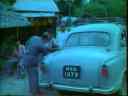
The image shows a group of people gathered around a vintage car parked in front of a small, rustic structure with a thatched roof. The car has a license plate with the text "WB 1979" and appears to be an older model, possibly from the mid-20th century. The setting seems to be rural, with greenery and trees visible in the background. The people appear to be engaged in a conversation or activity involving the car.
The image shows a view from inside a vehicle, looking out through the windshield. The scene appears to be a rural or semi-rural area with greenery and some structures visible in the distance. The road ahead seems to be a dirt or gravel path, and there are some trees and bushes on either side. The sky is clear, and the overall lighting suggests it is daytime. The rearview mirror is visible, reflecting part of the interior of the vehicle.
The image shows a person sitting inside a vehicle, possibly a car, with a greenish tint to the lighting. The person is wearing a light-colored shirt and appears to be smiling. The background outside the window shows greenery, suggesting a rural or suburban setting. The text in the image reads, "She will fit in very well."
The image shows two individuals seated in a vehicle, with one person wearing glasses and the other appearing to have short hair. The background outside the vehicle is blurred, but it seems to be a rural or suburban area with greenery visible. The text in the image reads: "She has studied till class VIII. Staying in this village whatever little education can be given."
The image shows a person sitting inside a vehicle, looking out of the window. The background outside the window appears to be green, suggesting a natural or rural setting. The person is wearing a light-colored shirt. The text in the image reads: "If she works under the director then there is no need to worry. She will become an expert."
The image shows a person sitting inside a vehicle, looking out of the window. The background outside the window appears to be green, suggesting a natural or rural setting. The person is wearing a light-colored shirt.

The image shows a person sitting inside a vehicle, possibly a car, with a visible window and seat in the background. The lighting suggests it is daytime, and the person appears to be wearing a light-colored shirt. The scene seems to be outdoors, as greenery is visible through the window. The text in the image reads: "What I have heard a little about the character...it is..."
The image shows two individuals sitting in a car. One person is wearing glasses and appears to be speaking to the other person. The background outside the car window is blurred, but it seems to be a natural setting, possibly a forest or a rural area. The lighting suggests it might be daytime. The text in the image reads: "That I think you should hear from the director himself."
The image shows a lush green landscape with a large tree in the foreground, surrounded by grass and a dirt path. In the background, there is a vast field of bright green crops, possibly rice paddies, under a clear blue sky. The scene appears to be rural, with a natural and serene environment. The text in the image reads, "Come we will go there itself."
The image shows two men standing outdoors, with one gesturing while the other listens. In the background, there is a large, ornate building with domes, surrounded by greenery. The setting appears to be in a tropical or subtropical region, possibly in South Asia. The text in the image reads: "No... No... only the father."
The image shows a man in a dark shirt and light pants standing in front of a group of people who appear to be students. The background is lush with greenery, including tall trees and dense foliage. The setting seems to be outdoors, possibly in a tropical or subtropical region.
The sequence foregrounds the constantly shifting reactions to cinema of the people of the village. The family, not from the peasant class and thus higher in the class hierarchy, is open about its fascination for cinema - a fascination born of knowledge gleaned from well circulated film magazines and journals (the quick shot of 'Anandalok', a popular Bengali film magazine established on 1975). However, that fascination is also restricted to the popular Hindi and Bengali language films with the established superstars of the time (Soumitra Chatterjee, Amitabh Bachhan, Dharmendra, Hema Malini, etc.). Thus, when the father gets to know that the role is that of a woman from 1943 who agrees to trading in sexual favors for food, he takes deep offense to the suggestion, rebuking and throwing them out. The cinematic quest for realism/naturalism is here at odds with the moral economy of the people of the village, equally aided and abetted by prevalent hypocritical notions concerning class, gender and sexuality.
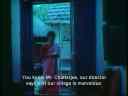
The image shows a person wearing a traditional sari, walking through a doorway into what appears to be a village setting. The surroundings include a thatched roof structure visible in the background, suggesting a rural or traditional environment. The lighting is dim, giving the scene a serene and calm atmosphere.
The image shows a group of people gathered in a dimly lit room. A woman in a pink outfit is seated on a bed, leaning forward slightly. A man in a dark shirt and watch is standing nearby, looking down at the group. The room appears to be modest, with a bed and some pillows visible. The lighting is soft, and the overall atmosphere seems calm. The possible geographic location is a rural or semi-urban area, possibly in a region where traditional clothing is common.
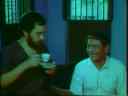
The image shows two individuals sitting indoors, with one holding a white cup on a saucer. The room has blue walls and barred windows, suggesting a setting that could be a café or a casual gathering space. The lighting is dim, and the overall atmosphere appears relaxed.
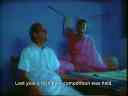
The image shows two individuals sitting in a room with a blue wall. One person is seated on a bed, wrapped in a pink garment, while the other person is sitting on a chair nearby. The room has minimal furnishings, with a towel hanging on a line in the background. The text in the image reads, "Last year a recitation competition was held." The setting appears to be a modest, possibly rural, environment.
The image shows two individuals sitting indoors, with one holding a cup and saucer. The room has blue walls and barred windows, suggesting a modest setting. The lighting is soft, and the atmosphere appears calm.
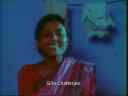
The image shows a person wearing a traditional garment, standing in front of a blue wall. There are clothes hanging on a line in the background. The person appears to be smiling. The text in the image reads, "Gita Chatterjee."
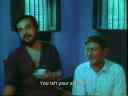
The image shows two individuals sitting indoors, with one holding a cup. The room has blue walls and barred windows, suggesting a setting that could be institutional or residential. The lighting is dim, and the overall atmosphere appears calm.
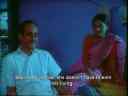
The image shows two individuals sitting indoors, with one person wearing a white shirt and the other in a pink sari. The background is a plain blue wall, and there is a wooden table in front of them. The setting appears to be a modest room, possibly in a rural or semi-urban area. The text in the image reads: "She is not a male, she doesn't have to earn her living."

The image shows a person sitting indoors, with a window in the background. The lighting is dim, and the person appears to be wearing a dark-colored shirt. The window has horizontal slats, and there is a blue wall behind the person. The setting seems to be a residential or casual indoor environment.
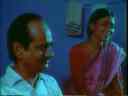
The image shows two individuals, one wearing a white shirt and the other in a red and pink sari. The background includes a blue wall with a towel hanging on a line. The setting appears to be indoors, possibly in a residential area.
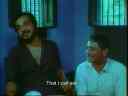
The image shows two individuals seated indoors, with one person wearing a dark shirt and the other in a light-colored shirt. The room has blue walls and barred windows, suggesting a confined or secure environment. The lighting is dim, and the overall atmosphere appears subdued.
The image shows a stack of printed materials on a wooden surface. The topmost item appears to be a magazine or booklet with a cover featuring text in a script that resembles Bengali. The other items underneath seem to be newspapers or printed documents with text in the same script. The wooden surface suggests a rustic or traditional setting, possibly in a region where Bengali is spoken.
The image shows two individuals in a room with a blue wall and a clothesline in the background. One person is wearing a white shirt, and the other is dressed in a traditional sari with a pinkish hue. The person in the sari is smiling warmly, while the other individual appears to be engaged in conversation. The setting suggests a domestic environment, possibly in a rural or semi-urban area.

The image shows a person sitting indoors, with a blue wall and a window in the background. The person is wearing a dark shirt and has their hands clasped together. The lighting is dim, and the overall atmosphere appears calm. The text in the image reads, "It was 1943."
The image shows a person wearing a traditional garment, possibly a sari, in a dimly lit environment. The background is a plain blue wall, and the person appears to be looking downward. The lighting casts shadows on the person's face, giving the scene a somber mood. The text in the image reads, "The skies covered by vultures. It is like a graveyard." This suggests a rural or remote setting, possibly in a region where vultures are common.
The image shows a person sitting indoors, with a thoughtful expression, resting their chin on their hand. The background includes a window with bars and a blue wall. The lighting is dim, giving the scene a somewhat somber or reflective mood. The person appears to be wearing a dark shirt. The text in the image reads, "This famine..."
The image shows a person wearing a red top and a pink patterned garment, possibly a sari. The background includes a blue wall and a curtain. The person appears to be indoors, in a room with a simple setup. The lighting is dim, giving the scene a soft, muted appearance.

The image shows a person sitting indoors, with a background that includes a window and some greenery visible outside. The lighting is soft, and the person appears to be wearing a light-colored shirt. The setting seems to be a calm and quiet environment, possibly a home or a small office. The visible greenery suggests a location with a temperate climate.
The image shows two individuals sitting indoors, with one person wearing a white shirt and the other in a pink sari. A blue wall is visible in the background, along with a hanging towel and a piece of cloth. The setting appears to be a modest room, possibly in a rural or semi-urban area. The text in the image reads, "Everyone loathes Maloti."
The image shows a man standing indoors, with a window in the background. The lighting is dim, and the walls appear to be painted in a muted blue tone. The man is wearing a dark shirt, and his expression seems contemplative. The setting suggests a modest, possibly rural environment.
The image shows a person wearing a light-colored shirt, standing against a plain blue background. The person appears to be looking slightly to the side, with a neutral expression. The lighting is soft, and the overall tone of the image is calm. The person's hair is dark and neatly combed. The setting seems to be indoors, possibly in a studio or a controlled environment. The background is plain and does not provide any specific geographic details. The text in the image reads, "Today Maloti is a fallen women..."
The image shows two individuals sitting indoors, with one person wearing a white shirt and the other wearing a pink sari. The background includes a blue wall, a hanging cloth, and a wooden surface. The person in the sari appears to be seated on a bench or chair, while the other individual is sitting on the floor. The setting suggests a casual or domestic environment, possibly in a rural or semi-urban area.
The image shows two individuals sitting indoors, with one wearing a dark shirt and the other in a light-colored shirt. The room has a blue-tinted lighting, and there are barred windows in the background. The setting appears to be a modest, enclosed space, possibly a living room or a small office. The overall ambiance suggests a casual or informal environment.
The image shows a man in a white shirt standing in the foreground, with a woman in a red sari standing in the background near a doorway. The setting appears to be indoors, with a blue wall and a wooden door visible. The woman is holding something in her hand, possibly a small object or utensil. The lighting is dim, giving the scene a somewhat subdued atmosphere. The possible geographic location seems to be in a region where traditional attire like saris is common, potentially in South Asia.
The image shows three individuals in a small room with blue walls. One person is standing, while the other two are seated. There is a table in the center, and a window with bars is visible in the background. A few items, such as a towel and a container, are hanging on a line. The text in the image reads, "You may leave."
The image shows a person standing near a door, wearing a traditional garment with a pink and white pattern. The lighting is dim, and the background appears to be indoors. The person's hand is resting on the door, and they seem to be looking out or listening intently. The setting suggests a residential or domestic environment, possibly in a region where such attire is common. The text in the image reads, "It was my fault."
The image shows two men standing indoors, with one wearing a dark shirt and the other in a light-colored shirt. The room has blue walls, framed pictures hanging on the walls, and windows with bars. The lighting is dim, and the overall setting appears to be a residential or office space. The man in the dark shirt has his hand on his chin, while the other man stands with his hands behind his back. The room has a calm and quiet atmosphere.
The image shows a person standing near a door, wearing a traditional garment, possibly a sari, with a pink and white pattern. The person is holding the door frame with one hand while looking outside. The background appears to be dimly lit, suggesting it might be evening or nighttime. The setting seems to be in a residential area, possibly in a rural or suburban region. The person's posture and expression suggest they are communicating something important.
The image shows two individuals standing indoors, with one person gesturing with their hand while the other stands with their hands clasped. The room has a blue wall with framed pictures hanging on it, and there are windows with bars visible in the background. The lighting suggests it is daytime. The text in the image reads, "I am requesting you!!... kindly leave." The setting appears to be a residential or informal indoor environment, possibly in a tropical or warm climate region, given the style of the room and the presence of bars on the windows.
The image shows a person wearing a light-colored shirt, standing in front of a blue background. The person appears to be indoors, possibly in a room with a microphone visible on the right side. The lighting is soft, and the overall setting suggests a formal or professional environment. The person's posture is upright, and they seem to be engaged in a conversation or presentation. The background is plain, with no visible decorations or objects that indicate a specific geographic location.
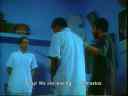
The image shows three individuals in a room with blue walls. One person is wearing a white shirt and appears to be holding a stick or rod. Another person is standing nearby, wearing a dark shirt, and seems to be gesturing or pointing. The third individual is dressed in a white outfit and is facing away from the camera. The room has shelves with items on them, and there is a poster on the wall. The text in the image reads, "Okay! We are leaving... Namaskar."

The image shows a person standing in front of a building with a weathered exterior. The building has a door and windows, some of which appear to be boarded up or damaged. There is a vine growing along the side of the building, and the area around the building seems overgrown with vegetation. The person is wearing a white shirt and glasses. The scene appears to be in a rural or suburban area, possibly in a region with warm weather, given the greenery and the condition of the building.
The image shows two individuals standing outdoors near a building with columns. One person is standing, wearing a blue shirt, while the other is seated, wearing a white shirt, and appears to be deep in thought. The ground is uneven and appears to be a mix of dirt and debris. The background suggests an older or less maintained structure, possibly in a rural or semi-urban area.
The image shows a person standing indoors, wearing a patterned shirt with a floral design. The background appears to be a plain wall with a light blue hue. The person is holding their arm and appears to be in a contemplative or emotional state. The lighting is soft, and the overall tone of the image is subdued. The setting seems to be a modest or simple indoor environment, possibly in a residential area.
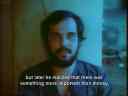
The image shows a person standing in front of a plain wall, with a somewhat somber expression. The lighting is dim, and the background appears to be indoors. The person is wearing a dark shirt, and the setting seems to be simple and unadorned. The possible geographic location is a modest, possibly rural area, as suggested by the simplicity of the surroundings.
The image shows three individuals sitting on stone steps in front of a building with columns. The person on the left is wearing a patterned dress, the person in the middle is seated on a cushion, and the person on the right is dressed in white. The setting appears to be outdoors, possibly in a historical or cultural location.
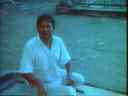
The image shows a person sitting outdoors on a concrete surface. The individual is dressed in a white outfit, and the background includes a dirt area with some fencing and structures visible. The setting appears to be in a rural or semi-urban area, possibly in a warm climate.
The image shows a person standing in front of a textured wall, wearing a light-colored garment with subtle patterns. The person's posture is relaxed, with arms crossed. The setting appears to be indoors, with a rustic or aged appearance. The lighting is soft, giving the scene a calm and serene ambiance. The person's attire and surroundings suggest a possible cultural or regional context, potentially in a rural or traditional area.
The image shows a person wearing a light-colored shirt, standing in front of a stone structure with visible columns. The background appears to be an outdoor setting, possibly in a historical or rural area. The person's hair is neatly combed, and they seem to be looking downward.
The image shows two individuals in close proximity, with one appearing to gesture toward the other. The background suggests an indoor setting with visible furniture and a window. The lighting is soft, and the overall tone is subdued.
The image shows a person standing indoors, wearing a light-colored garment with a floral pattern. The background appears to be a plain wall with some visible wear and tear. The lighting is soft, and the person is positioned slightly to the left of the frame. The text in the image reads, "come... come..."
The image shows a car driving on a rural road surrounded by open fields. The car appears to be an older model, possibly from the mid-20th century, and is moving at a moderate speed. The sky is overcast, and the landscape is flat with green grass and a few scattered trees in the distance. The road is unpaved and appears to be a dirt path. There is a small structure or object on the right side of the road, possibly a stone or a piece of equipment. The overall setting suggests a countryside or rural area.
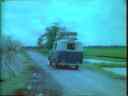
The image shows a small vehicle driving along a narrow road surrounded by green fields. The vehicle appears to be a camper van, with a roof-mounted structure, possibly for camping or storage. The road is flanked by a grassy verge on one side and a field on the other. There is a tree visible in the background, and the sky is cloudy. The area appears rural, with no visible buildings or urban structures. The text in the image is not fully legible, but it seems to be in English.
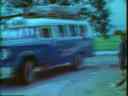
The image shows a blue vehicle with a white roof parked on a dirt road. The vehicle appears to be an older model, possibly a van, with a roof rack carrying items. The surroundings include trees and a grassy area, suggesting a rural or semi-rural location. The text on the vehicle is partially visible, but it is difficult to read clearly.
The image shows a dense crowd of people walking down a narrow street, surrounded by traditional buildings with tiled roofs. The crowd appears to be moving in a single direction, possibly participating in a procession or event. The buildings on either side of the street have a rustic appearance, with some structures appearing to be made of wood. The scene suggests a lively and bustling atmosphere, typical of a busy marketplace or a cultural gathering. The geographic location seems to be in a region with traditional architecture, possibly in a country with a tropical climate.
The image shows a group of people standing on the rooftop of a building. The structure appears to be made of brick, and the people are positioned along the edge, some leaning on a railing. The sky is visible in the background, with a hint of clouds. The scene seems to be in an urban area, possibly in a region with warm weather, given the attire of the individuals.
The image shows a densely packed crowd of people in a narrow street, with buildings on either side. The people are dressed in a mix of traditional and modern clothing, and many appear to be engaged in conversation or movement. The street is lined with makeshift structures, possibly stalls or tents, and the overall atmosphere suggests a busy, lively event. The geographic location appears to be in a rural or semi-urban area, possibly in a region where traditional and modern lifestyles coexist.
The image shows a group of people standing on a brick structure, with some of them appearing to be engaged in conversation or interaction. The background includes a bright sky and a few large, rectangular objects that resemble solar panels or similar structures. The scene appears to be outdoors, possibly in a rural or semi-urban area.
The image shows a large crowd of people, mostly young adults, gathered closely together. The setting appears to be outdoors, possibly in a public square or street. The people are dressed in casual clothing, and the atmosphere seems lively and energetic.
The image shows a person sitting indoors, wearing a light-colored shirt and white pants. The background features a large window with a geometric design, and the lighting is soft and natural. The person appears to be engaged in a conversation or interaction with someone off-camera. The setting suggests a casual or relaxed environment, possibly in a residential or informal space.
The image shows a paved road surrounded by green grass and trees. There is a person walking along the road, and the area appears to be rural or countryside. The sky is visible in the background, and the scene is bathed in natural light.
The image shows a person sitting in a shaded area, possibly outdoors, near a structure made of stone or similar material. The surroundings include greenery, suggesting a rural or forested environment. The person appears to be engaged in a task, possibly washing or handling something with their hands. The lighting is dim, indicating it might be early morning or late afternoon.
The image shows a person sitting in a dimly lit, rustic setting. The individual is seated against a stone wall, with their arm resting on their knee. They appear relaxed, with a cloth draped over their lap. The environment suggests an old, possibly rural or historical location, with visible stonework and minimal lighting. The person is wearing light-colored clothing, and the overall atmosphere is calm and quiet.
A person is wearing a checkered garment and appears to be bending over a surface, possibly engaged in an activity such as cooking or cleaning. The setting seems to be indoors, with a visible wall and a dark background. The person is positioned near a light source, which casts a soft glow on the scene. The environment suggests a rural or traditional setting, possibly in a region where such attire is common.
The image shows a person sitting in a narrow, stone-walled space. The individual appears to be resting, with their arms wrapped around their knees. They are wearing light-colored clothing, and there is a piece of fabric draped over their lap. The setting suggests an enclosed, possibly historical or traditional structure, with the walls appearing rough and aged. The lighting is dim, giving the scene a subdued atmosphere. The person seems to be in a quiet, reflective moment.
The image shows a person sitting on the floor in a dimly lit room. They are wearing a checkered shawl and appear to be engaged in an activity, possibly cooking or preparing something. The walls are rough and textured, suggesting a rural or modest setting. The lighting is soft and natural, giving the impression of a quiet, intimate moment.
The image shows a person sitting in a dimly lit room, leaning against a wall. The person appears to be in a relaxed posture, with one arm resting on their knee. The lighting is soft, casting shadows on the wall behind them. The setting suggests a quiet and intimate atmosphere. The person's surroundings include a plain wall and a piece of fabric or blanket draped over their lap. The overall tone of the scene is calm and reflective.
The image shows a woman sitting in a dimly lit room, wearing a traditional sari. Another woman is standing in the doorway, holding a broom. The room appears to be rustic, with visible cracks on the walls and a simple wooden chair. The lighting is soft, casting shadows that add to the atmosphere. The text in the image reads, "She is not at home." The setting suggests a rural or traditional environment, possibly in a region where such attire is common.
The image shows a person wearing a striped garment, standing in a dimly lit room. Another person is sitting on a bed or couch, shirtless, with a relaxed posture. The room appears to have a rustic or traditional aesthetic, possibly in a rural or village setting.
The image shows a person wearing a checkered garment with a hood, bending forward. The background appears to be a plain wall with a slightly textured surface. The lighting is dim, creating a soft, muted atmosphere. The person seems to be in a low-light environment, possibly indoors.
The fallout of the unfortunate exchange with the girl's father over her casting is felt most acutely by Haren. We have discussed how the narrative has firmly set Haren apart from the other villagers right from the outset by his enthusiastic participation in the film crew's daily business. This is complemented by his own predilections towards acting. However, the aforementioned incident and prevalent notions regarding the illicit nature of the profession, though irrelevant to him, produce a stand-off between him and his family.
The image shows a person walking outdoors, with a background of hanging clothes on a line. The setting appears to be rural, with a rustic structure and greenery visible in the background. The person is shirtless and wearing a white garment, possibly a traditional wrap. The clothes hanging on the line include various colors such as red, blue, and white. The environment suggests a warm climate.
The image shows a person sitting on the ground, wearing a checkered garment. They appear to be engaged in a task involving a bowl and a pot. The setting seems to be a rustic or rural environment, with earthen walls and a simple structure. The lighting is dim, suggesting it might be evening or indoors with limited light. The person's posture and surroundings hint at a traditional or cultural practice, possibly related to cooking or food preparation. The geographic location appears to be in a rural area, possibly in a region where such traditional attire and earthen structures are common.
The image shows a shirtless man standing outdoors. He appears to be in a rural or semi-urban area, with a structure made of wood or brick in the background. There are hanging strings or ropes, possibly for drying clothes or other purposes. The setting suggests a warm climate.
The image shows a person sitting on the ground, wrapped in a colorful checkered cloth, with a pot and a bowl nearby. The setting appears to be a rural or traditional environment, possibly in a village. The lighting is dim, and the surroundings suggest a simple, rustic lifestyle.
The image shows a man and a woman walking together in front of a rustic building with a tiled roof. The woman is wearing a traditional sari, and the man is draped in a white cloth. The surroundings suggest a rural setting, possibly in a tropical region.
The image shows two individuals standing in front of a background of hanging ropes or strings. One person is shirtless, draped in a white cloth, and appears to be looking downward. The other person is older, with white hair, and is wearing a red and white checkered cloth wrapped around their body. The setting appears to be outdoors, possibly in a rural or traditional area. The background suggests a location where such materials are commonly used, possibly for agricultural or domestic purposes.
The image shows a woman standing indoors, wearing a traditional sari, with a child beside her. The setting appears to be rustic, with wooden beams and a simple wall. The lighting is dim, giving the scene a warm, earthy tone. The possible geographic location could be rural, possibly in a region where traditional attire is common.
The image shows two individuals standing in front of a background with hanging fabrics. One person appears to be younger, with short hair, and is wearing a white garment draped over their shoulder. The other person is older, with long white hair, and is wearing a striped cloth wrapped around their body. The setting seems to be outdoors, possibly in a rural or traditional area. The hanging fabrics suggest a location where textiles are produced or used. The text in the image reads: "Just for you greed for some money!"
The image shows a person standing in front of a rustic structure with a thatched roof. A red cloth is hanging on the left side, and the person is wearing a white garment draped over one shoulder. The background suggests a rural or traditional setting, possibly in a tropical or subtropical region.
The image shows a partially overgrown structure, likely a stone or brick pillar, surrounded by dense vegetation. The area appears to be a natural setting, possibly a forest or a garden, with greenery and plants covering much of the ground. The pillar seems to be part of an old or abandoned structure, with some visible wear and erosion. The surrounding environment is lush and green, suggesting a temperate climate.
The image shows a person sitting on a rock or ledge surrounded by greenery. The person appears to be wearing a red top and white pants, and there is a blue object, possibly a bag, next to them. The background is lush with vegetation, suggesting a natural setting. The scene seems to be in a forest or a similar outdoor environment.
The image shows a green, blurry, and indistinct scene that appears to be a natural outdoor setting. The area seems to have vegetation, possibly trees or bushes, and there is a reflection of light, suggesting water or a reflective surface nearby. The overall scene is unclear, but it seems to be a forested or wooded area.
The image shows a dense area of green vegetation, possibly a forest or a heavily vegetated region. The greenery appears lush and vibrant, with various shades of green dominating the scene. The vegetation seems to be thriving, suggesting a healthy ecosystem.
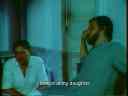
The image shows two individuals sitting in a room with wooden doors and walls. One person is seated on a couch, leaning back with one hand on their head, while the other person is sitting on a chair, facing them. The lighting is dim, and the overall setting appears to be indoors. The person on the couch is wearing a light-colored shirt, and the person on the chair is wearing a white shirt. The room has a rustic, possibly rural, appearance. The text in the image reads, "I looked at my daughter."
The image shows a person sitting indoors, leaning on a surface with their hands clasped together. The individual is wearing a light-colored shirt and a wristwatch. The background appears to be a dimly lit room with a wall that has some visible wear or damage. The lighting suggests a soft, ambient environment. The person's posture and surroundings suggest a calm and relaxed setting.
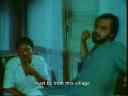
The image shows two individuals sitting in what appears to be a modest indoor setting. One person is seated on a chair, leaning back with a relaxed posture, while the other is sitting on a bench, appearing to be engaged in conversation. The room has a simple, rustic appearance, with visible wooden doors and plain walls. The lighting is soft, giving the scene a calm and intimate atmosphere. The text in the image reads, "must be from this village..."
The image shows a person wearing a light-colored shirt, sitting indoors. The lighting is dim, and the background appears to be a plain wall. The person is holding an object, possibly a weapon, in their hands. The text in the image reads, "No... No, you don't go. I'll see." The setting seems to be a modest or rural environment, possibly in a region where such attire is common.
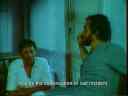
The image shows two individuals sitting in a dimly lit room. One person is seated on the left, wearing a white shirt, while the other person on the right is dressed in a blue shirt and appears to be smoking a cigarette. The room has a rustic appearance, with wooden furniture and a door in the background. The lighting is soft, and the overall atmosphere seems calm and subdued. The text in the image reads, "may be the continuation of last incident..."
The impasse between the film crew and the villagers gradually worsens as rumours and allegations begin to make the rounds, pitting the two sides against each other in the contest. At the same time, the hypocrisies of many of the villagers who are leading the charge against the film crew are exposed by the school teacher when he reminds them that their fears regarding how the villagers are being exploited are rather ironic considering many of them come from families who earned their wealth and class prestige from famine profiteering back in 1943. Noted critic Chidananda Dasgupta has noted: 'Seldom has the intervention of the observer in the life of the observed been so drastically constructed and so graphically described. It took a fiction film to expose the realities of the relationship. As the schoolmaster says to the director, ‘You belong to a privileged class. . . you have tried to impose yourself on them.’ In your search for realism, he could have added. The fictional approach enables Mrinal Sen to push the observer-observed, self-and-other divide to its apotheosis, where its roots can be exposed in a way no documentary film or written ruminations of the anthropologist could have. It challenges the film-maker’s pretense to objectivity and lays it bare.' (Chidananda Das Gupta, ‘Film as Visual Anthropology’, Seeing Is Believing: Selected Writings on Cinema, Viking/Penguin, 2008)
The image shows two individuals standing in a dimly lit room. One person is wearing a white outfit, while the other is dressed in darker clothing. The room appears to have a rustic or traditional aesthetic, with visible wooden elements and a door slightly ajar. The lighting is soft and creates a warm atmosphere. The text in the image reads, "Oh," and the scene seems to be taking place in a setting that could be in a rural or historical area.
The image shows a person standing in a dimly lit room, wearing a light-colored outfit. The walls appear aged, with visible wear and tear, and there is a door or window frame in the background. The lighting is soft, casting shadows and giving the room a quiet, contemplative atmosphere. The person seems to be looking at something or someone, with a posture that suggests curiosity or attentiveness. The text "nothing..." is visible in the image, likely indicating a pause or lack of activity. The setting appears to be indoors, possibly in a residential or institutional building.
The image shows a person wearing a white garment, standing in what appears to be a dimly lit room with wooden walls. There is a stained glass window in the background, and several other individuals are seated in the room. The setting suggests a traditional or historical environment, possibly in a rural or old-fashioned location.
The image shows two individuals standing in a dimly lit room. One person is wearing a light blue shirt, and the other is dressed in a white coat. The person in the white coat appears to be gesturing with their hands. The background includes a doorway and a wall with a faint texture. The lighting suggests an indoor setting, possibly a hospital or a similar facility. The text in the image reads, "We are brahmins."
The image shows two individuals in what appears to be a dimly lit room. One person is standing, wearing a light-colored shirt, while the other is seated, facing away. The room has a rustic appearance, with a stained glass window in the background and a few other people visible in the distance. The setting suggests a rural or traditional environment, possibly in a region where such attire is common.
The image shows a person wearing a light-colored shirt, standing indoors. The lighting is dim, and the background includes a doorway and a wall. The person appears to be looking down or at something in front of them. The setting seems to be a residential or indoor environment.
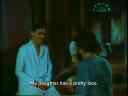
The image shows two individuals engaged in a conversation. One is seated, dressed in a light-colored robe, while the other is standing, facing the seated person. The setting appears to be indoors, with a wooden structure and a stained glass window visible in the background. The lighting is dim, suggesting a quiet and intimate atmosphere. The text in the image reads, "My daughter has a pretty face."
The image shows a dimly lit indoor setting with a person standing on a staircase. The walls appear aged and worn, with visible patches and discoloration. The lighting is soft, creating a moody atmosphere. The person is dressed in light-colored clothing, and there is another figure partially visible in the background. The setting seems to be in a residential or older building, possibly in a region with warm climates.
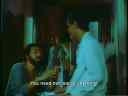
The image shows two individuals in what appears to be a dimly lit room with a rustic or historical ambiance. One person is seated, while the other stands nearby, engaging in a conversation. The background features additional figures standing in the shadows, and the walls have a worn, aged appearance. The setting suggests a location that could be a traditional or historical building, possibly in a region with a warm climate.
The image shows a person standing indoors, wearing a light-colored shirt. The background appears to be a wall with some discoloration or stains, possibly indicating age or wear. The lighting is dim, casting shadows on the person's face. The text in the image reads, "No, not exactly."
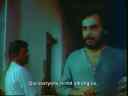
The image shows two individuals standing in what appears to be a dimly lit room. One person is wearing a light-colored shirt, while the other is dressed in a darker shirt. The background includes a door and walls that suggest an indoor setting. The lighting is subdued, creating a somewhat somber atmosphere. The scene seems to be set in a rural or modest environment, possibly in a region with warm climates.
The image shows a person wearing a light-colored shirt, standing in front of a wall with visible wear and tear. The lighting is dim, and the background appears to be indoors. The person's posture suggests they are standing still. The wall behind them has a rough texture and some discoloration.
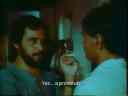
The image shows two individuals engaged in a conversation. One person is holding a cigarette, and the other appears to be listening intently. The setting seems to be indoors, possibly in a casual or residential environment. The lighting is dim, and the background is slightly blurred, suggesting a focus on the interaction between the two individuals.
The image shows two individuals in close proximity, engaged in a conversation. One person is holding a cigarette, and the other appears to be gesturing with their hand. The setting seems to be indoors, with dim lighting. The background is dark, and there are no visible distinguishing features. The text in the image reads: "I'll see your daughter once. Bring her tomorrow morning."
The image shows two individuals standing in a dimly lit corridor. One person is facing the camera, while the other is partially obscured by shadow. The walls appear worn, and the lighting suggests an indoor setting. The text in the image reads, "Oh! What did you do now... wherever Sujata has informed."
The image shows a person standing indoors, with a visible green outdoor scene through a window or door. The individual appears to be shirtless, with a thin white cord draped across their chest. The lighting is soft, and the overall setting suggests a casual or relaxed environment. The text in the image reads "Impossible."
The image shows a person standing indoors, with a blurred background suggesting a room. The lighting is dim, and the person appears to be wearing a sleeveless shirt. The setting seems to be a residential or casual environment. The text in the image reads: "They think that with their money and their gift of the gab they can fool us?"
The image shows a person with a shaved head, wearing a thin white strap across their chest. The background appears to be indoors, with a plain wall and a dark area to the right. The lighting is soft, and the person is looking slightly to the left. The setting seems to be a simple, possibly residential or casual environment.
The image shows a person sitting outdoors, dressed in light-colored clothing, with a natural background of greenery and a stone wall. The person appears to be engaged in a conversation with another individual whose back is facing the camera. The setting suggests a rural or semi-rural area, possibly in a tropical or subtropical region.
The image shows a person standing outdoors, with a background that includes a wall and some greenery. The person appears to be shirtless and is wearing a thin necklace. The lighting suggests it is daytime. The text in the image reads, "You will never understand that in your whole life."
The image shows a person standing in a lush, green environment with dense foliage in the background. The person is wearing a light-colored shirt, and the setting appears to be outdoors, possibly in a tropical or forested area. The vegetation is vibrant and dense, suggesting a humid climate.
The image shows a person standing near a brick structure, possibly a well or a water source, with a rope hanging from above. The individual appears to be engaged in some activity involving a bucket or container. The setting seems to be outdoors, with a rustic and rural appearance. The person is wearing a cloth wrapped around their waist, and the environment suggests a warm climate. The text in the image reads, "Did they select her?"
The image shows a person walking through a narrow passageway between two stone walls. The walls appear aged and weathered, with visible textures and discoloration. The person is wearing a light purple shirt and beige pants, and they are holding something in their right hand. The surroundings suggest an old, possibly historical, setting. The passageway leads to a brighter area, possibly an open space or courtyard.
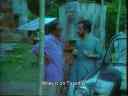
The image shows two men standing outdoors near a rustic building with a car parked nearby. One man is wearing a light purple outfit, while the other is dressed in a blue outfit. The setting appears to be rural, with greenery and a brick structure visible in the background. The car looks old-fashioned, suggesting a vintage or historical context. The text in the image reads, "Make it on Tuesday."
I see a person with medium-length hair and facial hair, wearing a light-colored shirt. The background appears to be outdoors, with greenery and a blurred structure, possibly a house or building, in the distance. The setting seems to be a residential area.
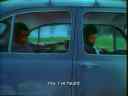
The image shows two individuals seated inside a vehicle, with one person visible through the window on the left side and the other on the right. The vehicle appears to be a van or a similar type of vehicle, and the scene is set outdoors, with a grassy area visible in the background. The lighting suggests it might be daytime. The text in the image reads, "Yes, I've heard."
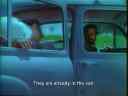
The image shows two individuals in a vehicle, with one person leaning out of the window and the other sitting inside. The vehicle appears to be parked or stationary, as the individuals are not in motion. The setting seems to be outdoors, with a grassy area visible in the background. The text in the image reads, "They are already in the van."
The image shows a person sitting inside a vehicle, with another person standing outside near the open door. The background appears to be a grassy area, possibly a field or park. The scene seems to be in a rural or suburban setting.
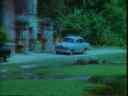
The image shows a vintage car parked on a paved road near a large, ornate building surrounded by lush greenery. The building appears to have a classical architectural style with columns and decorative elements. The car is light-colored, and the area around it is grassy with some puddles visible. The scene suggests a serene, possibly rural or suburban setting.

The image shows a vintage vehicle, possibly a van or bus, with a curved design and a red and blue color scheme. The vehicle is parked on a dirt road surrounded by trees and greenery, suggesting a rural or natural setting. The text on the vehicle appears to be in a non-English language, possibly Chinese.
The image shows a dense, dark forest with a variety of green foliage. The vegetation appears lush and thick, with leaves of different shades of green. The lighting is low, making it difficult to see details clearly. The area seems to be a natural, possibly tropical or subtropical forest.
The image shows three individuals seated in a relaxed setting, engaged in conversation. They are dressed in light-colored clothing, and the environment appears to be indoors with a simple, rustic aesthetic. The room has a wooden door and a plain wall, suggesting a modest, possibly rural or traditional setting. The text in the image reads, "I feel we are unnecessarily getting excited."
The image shows two individuals seated in a modest setting, dressed in white garments. The background features a simple wall with a wooden panel, possibly a door or a decorative piece. The lighting is soft, and the overall atmosphere appears calm and reflective. The individuals seem to be engaged in a conversation, with one person facing the other. The setting suggests a rural or traditional environment, possibly in a region where such attire is common.
The image shows a person with a beard and glasses, dressed in a white garment, sitting in a room with wooden bars in the background. The lighting is soft, and the person appears to be engaged in a conversation. The setting suggests a calm and possibly residential environment. The text in the image reads, "Yes, exactly, those contractors who had come from Kolkata."
The image shows two individuals seated in a rustic setting, engaged in a conversation. One person is wearing a light-colored shirt, while the other is dressed in a white garment. The background features a simple, plain wall with a small window or opening. The setting appears to be outdoors, possibly in a rural or semi-urban area. The individuals seem to be discussing something important, as indicated by the text overlay.
The image shows a person with a white beard and glasses, wearing a light-colored shirt. The background appears to be indoors, with vertical wooden panels and a dimly lit setting. The person seems to be seated, and there is a soft, warm light illuminating the scene. The possible geographic location is a traditional or rural setting, possibly in a region where such attire is common.
The image shows a person standing indoors, wearing a light-colored shirt. The background appears to be a plain wall, and the lighting suggests an indoor setting. The person's posture is upright, and they seem to be looking slightly to the side. The image has a muted color palette, with a focus on natural tones. The person's location seems to be in a residential or informal setting, possibly in a region where such attire is common.
The image shows a person with a beard and glasses, wearing a white garment. The background appears to be indoors, with wooden panels visible. The lighting is soft, and the person is looking slightly to the side. The text in the image reads: "and those are incidents which they are trying to bring out in their film." The setting seems to be a formal or professional environment, possibly related to filmmaking or storytelling. The person's attire and the indoor setting suggest a cultural or regional context, possibly in a region where such clothing is common.
The image shows a person wearing glasses and a white shirt, sitting indoors. The background appears to be a plain wall with a door or window frame visible. The lighting is soft, and the person seems to be engaged in a conversation. The text in the image reads: "I have seen. You were there, didn't you see it."
The image shows a person with a beard and glasses, wearing a white shirt. The background appears to be indoors, possibly in a room with wooden panels. The person is looking slightly to the side, and there is a soft lighting effect. The text in the image reads, "I know what has pinched you."
The image shows three individuals seated in a room with light-colored walls and a window in the background. They are dressed in white garments, and the setting appears to be calm and informal. The room has a simple design, with minimal decorations visible. The window has a dark frame, and the light coming through suggests it might be daytime. The individuals appear to be engaged in a conversation or discussion.
The image shows two individuals standing in a lush, green environment, possibly a forest or a dense woodland area. The foliage is thick, and the lighting suggests it is daytime. The individuals are dressed in light-colored clothing, and one appears to be gesturing or pointing towards something. The text in the image reads, "All right... let them continue in their own way."
The image shows two individuals walking through a lush, green environment, possibly a forest or jungle. The surroundings are dense with vegetation, and the lighting suggests it is daytime. The individuals appear to be engaged in a conversation, with one person facing the other. The text in the image reads: "We can not dig up old wounds. The way the headmaster is doing and keeping quite. We will not abide by that."
The image shows a group of people walking along a dirt path surrounded by lush greenery. They appear to be dressed in traditional attire, with some carrying items on their heads. The setting suggests a rural or village environment, with trees and vegetation visible in the background. The people seem to be moving together, possibly as part of a community or procession.
The image shows a group of people gathered outdoors, with a man in the foreground holding a camera and another person assisting him. The setting appears to be rural, with a few small buildings and trees visible in the background. The people seem to be engaged in an activity involving the camera, possibly filming or taking a picture.
The image shows a group of people walking along a dirt path beside a body of water. The people appear to be wearing traditional clothing, and there are trees and greenery surrounding the area. The scene seems to be rural, with a calm and serene atmosphere. The geographic location appears to be near a river or lake, possibly in a tropical or subtropical region.
The image shows a group of people, mostly women and children, gathered closely together. They appear to be in a crowded and possibly public setting, with some individuals wearing traditional clothing. The background suggests an outdoor environment, possibly near a building or a bus stop. The text in the image reads, "even in this terrible famine your child could have lived."
The image shows a person wearing a colorful garment and carrying a large bundle on their head. The person is standing near a tree, and the background includes greenery and a distant view of a body of water. The person appears to be engaged in a task, possibly related to agriculture or daily chores. The geographic location seems to be rural, possibly in a region where such practices are common.
The image shows a person standing near a columned structure, dressed in traditional attire, with their hands together in a gesture of greeting or prayer. The surroundings appear to be part of an old or historical building, with visible wear and tear on the walls and columns. The lighting is soft, and the overall atmosphere is calm and serene. The text in the image reads, "Good morning."
The image shows a person standing in a narrow hallway or corridor. The walls are painted in a light color, and there is a door or window in the background. The person appears to be wearing a patterned garment, and their hair is styled in a way that suggests they might be a woman. The lighting is dim, and the overall atmosphere seems quiet and subdued. The setting appears to be indoors, possibly in a residential or institutional building.
The image shows two individuals in a rustic setting with stone walls and hanging clothes. One person is standing near a table with papers, while the other is seated. The lighting is warm, and the environment suggests a rural or traditional setting. The text in the image reads, "I'm ready, where is the dialogue."
The image shows a young girl standing near a stone column in what appears to be an old, weathered structure. The surroundings include stone steps and columns, suggesting a historical or ancient site. The ground is uneven and covered with dirt and debris.
The image shows a person standing near a wall, wearing a traditional garment with a striped pattern. The background appears to be an outdoor setting, possibly a street or a courtyard. The person's hair is neatly tied back, and there is a visible red mark on their forehead. The scene suggests a warm climate, possibly in a rural or semi-urban area.
The image shows a person leaning against a wall, with a hand resting on the surface. The wall appears to be old and worn, with patches of discoloration and a rough texture. The person is wearing a dark garment with visible patterns. The lighting is dim, casting shadows and giving the scene a somewhat somber tone. The setting seems to be indoors, possibly in a rustic or older building.
The image shows two women in traditional attire standing in a narrow hallway. One woman is wearing a red sari with a patterned border, while the other woman is dressed in a white outfit with a blue pattern. The walls are worn and have patches of peeling paint, suggesting an older building. The hallway appears to lead to a dark room in the background.
The image shows a person standing near a wall, partially hidden behind it. The individual is wearing a traditional garment, possibly a sari, with a striped pattern. The background appears to be an outdoor setting with a dirt or gravel ground. The person's posture suggests they are peeking around the corner of the wall. The overall scene seems to be in a rural or semi-urban area, possibly in a region where traditional attire is common.
The image shows a person standing in a dimly lit area, wearing a striped garment. The background appears to be a rough, textured wall, possibly made of stone or plaster. The lighting is subdued, giving the scene a muted, earthy tone. The person's hair is tied back, and they seem to be in a relaxed posture. The setting suggests a rural or traditional environment, possibly in a region where such attire is common.
The image shows a person standing near a white pillar, wearing a striped garment with a mix of blue and yellow colors. The background appears to be an outdoor setting with a blurred, earthy terrain. The person's hair is dark and neatly tied back, and they seem to be looking intently at something off-camera. The overall setting suggests a rural or semi-urban environment.
The image shows a person wearing a striped garment, standing in front of a plain wall. The person has long hair tied back, and the setting appears to be indoors. The lighting is dim, and the background is simple, with a visible corner of a wall and a small circular object on the wall. The person's posture suggests they are standing still.
The geographic location appears to be rural or semi-urban, possibly in a region where traditional clothing is common. The setting suggests a modest or simple living environment.
There is no visible text in the image that requires translation.
The image shows a person standing near a wall, partially hidden by it. The individual is wearing a striped garment with a yellow border. The background appears to be outdoors, with a blurred, earthy terrain visible. The person's hair is neatly tied back, and there is a visible red mark on the forehead. The setting seems to be in a rural or semi-urban area, possibly in a region where such attire is common.
The image shows two women standing in what appears to be a modest, rural setting. One woman is wearing a striped shawl and a red outfit, while the other is dressed in a white blouse with a patterned design. The setting suggests a simple, possibly agricultural environment, with visible walls and a doorway in the background. The lighting is soft, and the overall tone is calm.
The image shows a person standing near a wall, with their hand resting on it. The person appears to be wearing a traditional garment, possibly a sari, and has a bindi on their forehead. The background is blurred, but it seems to be an outdoor setting with greenery. The text in the image reads, "now I have come to work."
The image shows a person standing outdoors, wearing a white outfit. The surroundings appear to be a dusty or sandy area, possibly a courtyard or open space. The person is looking to the side, and there is a structure or wall in the foreground. The text in the image reads, "What will she eat if she doesn't come."
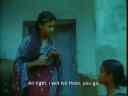
The image shows a woman standing in front of a door, wearing a striped shawl over a red dress with white patterns. She appears to be speaking to a young girl who is standing in front of her. The background is a plain wall with visible wear and tear, suggesting an older or rural setting. The scene seems to be taking place outdoors, possibly in a village or small town. The woman is holding something in her hand, and the girl is looking up at her attentively.
The image shows a person standing outdoors, with a background that includes a stone pathway and some scattered objects. The person is wearing a traditional garment, and the lighting suggests it might be evening or early morning. The setting appears to be rural or semi-urban, possibly in a region where such attire is common. The text in the image reads: "Yes, Sixty rupees and one meal."
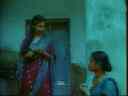
The image shows two women standing near a doorway. One woman is wearing a red sari with a striped shawl, holding something in her hands. The other woman is dressed in a blue outfit and appears to be engaged in conversation. The background includes a weathered wall and a wooden door. The setting appears to be rural, possibly in a village or small town.

The image shows a person sitting inside a vehicle, possibly a car, with a window on the right side. Outside the window, there is a vast open area that appears to be a grassy field or a plain, with a faint outline of a structure or object in the distance. The lighting suggests it might be daytime.
The image shows a person sitting in the back seat of a car, looking out the window. The background outside the window appears to be a rural or open area with a clear sky and some distant objects. The person seems to be wearing a casual shirt. The text in the image reads, "But she is quite dependable..."
The image shows a person sitting inside a vehicle, looking out of the window. The surroundings outside the window appear to be natural, possibly a rural or forested area. The lighting suggests it might be daytime. The person is wearing a sleeveless shirt, and the interior of the vehicle is visible, including the window frame and part of the door.
The image shows a person sitting inside a vehicle, looking out of the window. The vehicle appears to be moving along a road surrounded by greenery. The person is wearing a sleeveless shirt and has a beard. The environment outside the window suggests a rural or countryside setting.
The image shows a person inside a vehicle, with a blurred background that appears to be outdoors. The person is partially obscured by a mist or smoke-like effect. The scene seems to be in a rural or natural setting, possibly near a forest or a mountainous area. The text in the image reads, "after the shooting please inform Durga."
The image shows two individuals in a dimly lit environment, possibly a vehicle or a room with limited lighting. One person is seated, wearing a white shirt, while the other is leaning forward, appearing to be engaged in a conversation. The background is dark, with some faint details visible. The text in the image reads, "no 1 and 2 are all right, increase no 5."
The image shows a dimly lit area with a glowing light source on the left side. The light appears to be coming from a small, rectangular object, possibly a window or a screen. The surrounding area is dark, and the light casts a soft glow on nearby surfaces. The text in the image reads, "pan on the left hand side..."
The image shows a man sitting on a stool, holding a piece of paper, while another person stands nearby. The setting appears to be outdoors, possibly in a rural or semi-urban area, with visible structures and vegetation in the background. The lighting suggests it might be evening or nighttime.
The image shows a dark, rural setting with a few visible structures, including what appears to be a small hut or shelter made of natural materials. There are some plants or vegetation nearby, and the area seems to be illuminated faintly, possibly by moonlight or a dim light source. The scene suggests a remote or rural location, possibly in a tropical or subtropical region. The text in the image reads: "Those people and sacks of rice are ready?"
The image shows a man sitting on the ground, holding an open book in his hands. Another person is standing behind him, slightly elevated, and appears to be looking at the book. The setting seems to be outdoors, possibly in a dimly lit area, with a dark background. The man in the foreground is wearing a light-colored shirt, and the standing person is dressed in white. The scene suggests a quiet moment of reading or study.
The image shows a person standing near a large tree, holding a flashlight. The surroundings are dark, with dense vegetation visible in the background, including banana trees. The person appears to be in a tropical or forested area, possibly in a rural or remote location.
The image shows a dimly lit room with a rustic appearance. There are three individuals in the scene, dressed in casual attire, with one person seated on the left side, another standing in the center, and the third person sitting on the right. The room appears to have a stone or brick wall, and there is a door in the background. The lighting is soft, and the overall ambiance suggests a modest setting. The text in the image reads, "Oh! Please come... ...Namaskar... ...Namaskar."
The image shows three individuals in a dimly lit room. One person is holding a red object, possibly a phone, while another is holding a white object, which might be a remote or a device. The third person is seated and appears to be engaged in conversation or interaction with the others. The setting seems informal, possibly a living room or a small gathering space. The walls are plain, and the lighting is low, creating a cozy but somewhat subdued atmosphere.
The image shows a group of people standing and sitting in what appears to be a dimly lit room with brick walls. There is a mix of casual clothing, including shirts and pants, and a red bag is visible on the floor. The setting suggests an informal gathering or meeting. The location seems to be in a rustic or industrial area, possibly in a basement or an old building.
The image shows a man in a light-colored shirt standing in a dimly lit room. He appears to be in a casual setting, possibly engaged in a conversation or activity. Behind him, another person is visible, standing in the background. The walls are dark and textured, suggesting an indoor environment. The lighting is low, creating a somewhat intimate or subdued atmosphere. The possible geographic location is a residential or informal setting, possibly in a region with warm climates.
The image shows two individuals standing in front of a brick wall. One person is wearing a light blue shirt, while the other is dressed in a darker blue shirt. The background appears to be a rustic or historical setting, possibly a building with an old stone or brick structure. The lighting is dim, suggesting an indoor or evening environment.
The image shows a dimly lit room with a person standing near a complex setup of cables and equipment. The lighting is low, creating a moody atmosphere. The person appears to be working with the equipment, possibly adjusting or setting up something. The text in the image reads, "All lights."

The image shows a bright, glowing screen emitting a blue light, surrounded by a dark environment. There is a structure with cables and equipment nearby, and a person in the background, partially visible. The scene appears to be outdoors, possibly in a dimly lit area.
The image shows a group of people sitting together in a dimly lit area. One person is wearing a light-colored shirt and pants, while another person is dressed in a uniform with a shoulder strap. The background appears to be a rustic or rural setting, possibly outdoors. The lighting suggests it might be evening or nighttime.
The image shows a dimly lit room with a vintage television set in the foreground. The TV appears old, with a slightly worn-out look, and its screen is partially visible. The room has a rustic, possibly wooden interior, with a dark, shadowy ambiance. The lighting is low, creating a mysterious and somewhat eerie atmosphere. The setting seems to be indoors, possibly in a basement or an older part of a house.
Things come to a head regarding casting Durga in the controversial role of the fallen woman. Her obvious desire to go for the audition, questions of morality, propriety and social sanction that hold her back, the director's growing frustration and agitation, all these factors foreground the tense self-critical aspect of 'Akaler Sandhane' that we have previously discussed. In this context, it will be important to note the questions regarding the function, scope and reach of cinema that make up much of that critique; in fact, 'Akaler Sandhane' carries on the auto-critique that had started way back in 'Padatik' by shifting the focus from the ideological to the aesthetic and by replacing the political with questions regarding the role and function of cinema in society. Mrinal Sen has variously remarked how the New Cinema movement as a whole had primarily failed to reach the rural areas, despite the rural and peasant classes being much of its focus. He has remarked: '...there is a strange duality at work in the rural areas, one that seeks political change but rejects political entertainment....This is a situation difficult to fight - an audience which votes for a man who will be fighting for change, for land reform, but at the same time will flock to a film which accents a mistrust in technology and faith in miracles. This is the kind of dichotomy we suffer from and have to fight.' (‘Interview: 1981’, Interviewed by Udayan Gupta, ‘Montage – Mrinal Sen: Life, Politics, Cinema’, Seagull Books, Calcutta, 2002)
The image shows a person lying on a bed or mattress, partially covered by a blanket. The lighting is dim, and the surroundings appear to be dark. The person seems to be resting or sleeping. The setting suggests a modest or simple living environment.
The image shows a dimly lit interior with a rustic, wooden structure. There is a person standing in the foreground, partially obscured by shadows. The background features a wooden wall with a small window or opening, and a plant or foliage is visible near the top left. The lighting suggests a cozy, intimate setting, possibly in a rural or traditional dwelling. The overall ambiance feels natural and earthy.
The image shows a dimly lit room with a person sitting on the floor, leaning against a wall. The person appears to be wearing a sleeveless shirt and is holding a piece of cloth. The walls are rough and worn, with visible patches of discoloration. There is a piece of fabric hanging in the background, possibly a towel or cloth. The lighting is low, creating a shadowy and somber atmosphere. The setting appears to be a modest, possibly rural or older building.
The image shows a dimly lit room with a person standing near a window. The person appears to be wearing a blue garment with yellow accents. The room has a rustic appearance, with visible wooden structures and a warm, earthy tone. The lighting suggests it might be evening or nighttime. The person seems to be engaged in an activity, possibly cooking or preparing something. The setting appears to be a rural or traditional household, possibly in a village or countryside area.

The image shows a dimly lit room with a person standing near a window. The window appears to be partially open, and there is a faint light coming through it. The person is wearing a hat and seems to be looking outside. The room has a dark, possibly wooden interior, and there is a visible object that might be a piece of furniture or a tool. The scene suggests a rural or countryside setting, possibly during the evening or nighttime.
The image shows two individuals standing in a forested area. The man is wearing a white shirt and dark pants, while the woman is dressed in traditional attire with a white blouse and a red and beige skirt. The background is dark, with trees and foliage visible. The text in the image reads, "that person."
The image shows a person walking away into a dark forest. The person is wearing a light-colored shirt and jeans, and the surrounding area is dimly lit, with trees and foliage visible in the background. The scene appears to be outdoors, possibly in a wooded area. The text in the image reads: "Yes, you go straight. I will show you."
The image shows a person in traditional attire, holding a stick or tool above their head. The setting appears to be outdoors, with foliage visible in the background. The person is wearing a sari, which suggests a possible cultural or regional connection to South Asia. The text in the image reads, "release...man."
The image shows a person in a white outfit, leaning forward with their head resting on their hand. Another person is standing nearby, partially visible. The setting appears to be indoors, with dim lighting. The text in the image reads, "Trolley go back... go back." The scene seems to be taking place in a location that could be a train station or a similar transportation hub.
The image shows a person in a forested area, bending over and appearing to move something. The surroundings are dense with greenery, and the lighting suggests it is daytime. The person is wearing a light-colored shirt and pants. The text in the image reads, "Trolley move..."
The image shows a person bending over, possibly examining something on the ground. There is another person standing nearby, and the background appears to be a natural setting with trees and vegetation. The lighting is dim, suggesting it might be evening or nighttime. The scene seems to be outdoors, possibly in a forest or wooded area.
The image shows a dark, forested area with dense vegetation and trees. The ground appears to be covered in leaves and dirt, and there is a sense of quiet and stillness. The lighting is dim, suggesting it might be early morning or late evening. The scene seems to be in a temperate forest, possibly in a region with deciduous trees.
The image shows a person wearing a blue patterned top, sitting in a dimly lit environment. The background appears to have some hanging objects, possibly fabric or decorations. The setting seems to be indoors, with a focus on the individual. The lighting is low, creating a shadowy atmosphere. The person's posture suggests they are seated, possibly engaged in a quiet activity. The possible geographic location is a rural or traditional setting, possibly in a region where such attire is common.
The image shows a dimly lit room with a person standing near a wall. The lighting is low, creating a shadowy atmosphere. The person appears to be wearing a white garment, and there is a faint outline of a staircase in the background. The setting seems to be indoors, possibly in a residential or historical building. The text in the image reads, "Yes, say that!"
The image shows a person standing in a dimly lit area, possibly near a wall or structure. The person appears to be wearing a white garment, and the surroundings are dark, with limited visibility. The setting seems to be rural or village-like, as suggested by the text in the image.
The image shows a person with a dark complexion, wearing a black shirt, and standing in a dimly lit environment. The background is mostly dark, with some faint light visible. The person appears to be facing slightly to the left.

The image appears to be very dark, with minimal visible details. It seems to be a nighttime scene, possibly in a rural or forested area. There is a faint light source in the distance, but it is not clear what it is.
The image shows a dimly lit room with a person sitting in the foreground. There is a window with a colorful painting or poster visible in the background. The lighting is low, creating a moody atmosphere. The person appears to be seated near a desk or table, and the room seems to have a cozy, intimate feel. The possible geographic location is a residential or small office space, likely in a temperate region based on the lighting and decor.
The image shows a person standing indoors, facing away from the camera. The lighting is dim, with a soft blue hue dominating the scene. The person appears to be wearing a dark-colored shirt. The background includes a window with vertical bars, suggesting an enclosed or semi-enclosed space. The overall setting feels quiet and subdued.
The image shows a person in a dimly lit room, holding a cigarette in their hand. The person appears to be wearing a dark shirt, and the background is dark, with a window visible in the distance. The scene suggests a quiet, possibly evening setting. The person seems to be in a relaxed or contemplative state.
The image shows a person standing indoors, wearing a light-colored shirt. The lighting is dim, creating a shadowy atmosphere. The person appears to be in a relaxed posture, leaning slightly forward. The background includes a door and a wall, suggesting an indoor setting. The overall scene feels quiet and subdued.
The image shows a person sitting indoors, wearing a light-colored shirt. The lighting is dim, creating a shadowy atmosphere. The background appears to be a wall with a door or window frame visible. The person is seated on a chair, with one arm resting on the armrest.

The image shows a person sitting in a dimly lit room, with a dark background. The individual appears to be wearing a dark outfit and is seated with one arm resting on a surface. The lighting creates a shadowy effect, making the details of the person less visible. The setting seems to be indoors, possibly in a residential or office environment.
The image shows a courtyard with a symmetrical structure, featuring arched doorways and columns. The area appears to be surrounded by buildings with multiple levels, and there are people visible in the background. The ground is paved, and the overall architecture suggests a historical or cultural significance. The location appears to be in a region with a warm climate, possibly in a Mediterranean or Middle Eastern setting.
The image shows a person wearing a white garment, possibly a robe or a shawl, standing in front of a wooden door. The door appears aged, with visible cracks and a rustic texture. The person is leaning slightly forward, as if peering into or listening through the door. The setting seems to be indoors, with a dimly lit atmosphere. The wooden door and the person's attire suggest a possible cultural or historical context, potentially in a region where such garments are common.
The image shows a multi-story building with a classical architectural style, featuring columns and ornate railings on the balconies. The building appears to be old, with visible wear and some discoloration on the walls. The structure has a symmetrical design, with evenly spaced windows and balconies. The overall color tone of the image is blue, which may be due to lighting or a filter.
The building is likely located in a region with a warm climate, as suggested by the architectural style and the presence of balconies. The structure appears to be residential or possibly a hotel, given the design and layout.
There is some text visible on the building, but it is difficult to read due to the image's coloration and resolution.
The image shows a person standing on a balcony, wearing a white garment that covers their head and body. The balcony has a decorative railing, and the surrounding area appears to be part of a building with light-colored walls. The scene is illuminated with a blueish hue, suggesting it might be taken in the evening or under artificial lighting. The person is standing near a window or door, possibly looking outside. The architectural style suggests a location with Mediterranean or Middle Eastern influences.
The image shows a person wearing a white hooded garment standing near a wooden door. The person appears to be peering through a small opening in the door. The door has visible scratches and marks, and there is some text written on it. The surrounding area appears to be indoors, with a wall and a corner visible. The lighting is dim, giving the scene a somewhat eerie or mysterious atmosphere. The text on the door reads "RWA."
The image shows a person lying on a bed, covered in a patterned blanket. The person appears to be resting, with one hand near their face and the other arm resting on the bed. The room has a soft, blue-toned lighting, and there are pillows with polka dot patterns visible. The setting seems to be indoors, possibly in a bedroom.
The image shows two individuals standing in a room with wooden doors and walls. One person is wearing a light blue robe, while the other is dressed in white. The person in blue appears to be speaking to the person in white. The text in the image reads, "All right, you go. I'm coming." The setting appears to be indoors, possibly in a residential or modest environment. The location could be in a region where such attire is common, possibly in a tropical or subtropical area.
The image shows a person wearing glasses, standing indoors. The background appears to be a plain wall with a light blue hue. The person is wearing a light-colored shirt with a visible heart-shaped design on the chest. The setting seems to be a simple, possibly residential or office environment.
The image shows a wooden table with several glass bottles and containers, some of which appear to contain liquids. There is also a metallic cup or tumbler on the table. The setting seems to be indoors, with a wooden railing visible in the background. The lighting is dim, giving the scene a somewhat mysterious or vintage feel. The table appears worn, with visible scratches and marks.
The image shows a person standing in a doorway, wearing a traditional garment, and holding onto the door frame. The room appears to be simple, with a small table on the left side that has various items on it, including bottles and a glass. The walls are painted a light blue color, and there is a small shelf mounted on the wall. The person is looking out of the door, and the text in the image reads, "Oh, come... come." The setting suggests a modest, possibly rural or traditional environment, likely in a region where such attire is common.
The image shows two women standing indoors, facing each other. One is wearing a white outfit with a head covering, while the other is dressed in a light blue garment. The setting appears to be a modest room with wooden elements and a framed picture on the wall. The lighting is soft, and the overall atmosphere seems calm. The possible geographic location is a rural or semi-urban area, likely in a region where such attire is common.
Two individuals are seated on a wooden floor, engaged in a conversation. One is dressed in a white garment, while the other wears a blue outfit. The setting appears to be indoors, with a wooden bed frame and a rug visible in the background. The text in the image reads, "Yes......"
The image shows a person sitting indoors, wearing a light blue garment with subtle patterns. The background includes a wooden structure, possibly a table or a stand, and the setting appears to be simple and modest. The person seems to be engaged in a conversation or reflection. The text in the image reads, "She was talking about her fate."
Two women are sitting on a woven mat in what appears to be a traditional indoor setting. One woman is dressed in a white sari, while the other is wearing a blue outfit. They are engaged in a conversation, with one holding a small object in her hand. The room has wooden furniture and a visible staircase in the background. The setting suggests a rural or traditional environment, possibly in South Asia.
The image shows a person wearing a light blue garment with a subtle pattern, sitting indoors. The background features a wooden table with a decorative design, and the walls appear to be plain and slightly textured. The lighting is soft, creating a calm atmosphere. The setting seems to be a traditional or rural environment, possibly in a region where such attire is common.

The image shows a person wearing a white garment, possibly a sari, with a light-colored veil draped over their head. The background appears to be dimly lit, suggesting an indoor setting. The person's posture and attire suggest a traditional or cultural context. The text in the image reads, "There are so many reasons."
The image shows a person wearing a light blue garment with a subtle pattern, sitting indoors. The background features a wooden table with a decorative design, and the walls appear to be made of stone or a similar material. The setting suggests a traditional or rural environment, possibly in a region where such attire is common.

The image shows a person wearing a white garment with a light-colored head covering. The background appears to be indoors, with muted lighting. The person seems to be engaged in a conversation. The text in the image reads, "She was talking about you many times."
The image shows a person wearing a light purple garment with a subtle pattern. The background includes a wooden structure with a decorative design, possibly a piece of furniture or a decorative element. The setting appears to be indoors, with a neutral-colored wall in the background. The person's hair is neatly tied back, and they are wearing small earrings. The overall ambiance suggests a calm and traditional environment.
The image shows a person wearing a white garment, holding a small object in their hands. The background appears to be indoors, with a staircase visible on the left side. The person seems to be engaged in a task, possibly preparing or adjusting the object. The text in the image reads, "She told me to give this to you."
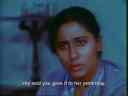
The image shows a person with dark hair, wearing a light-colored garment, sitting indoors. The background appears to be a simple, possibly wooden structure, suggesting a modest setting. The lighting is soft, and the overall tone is calm. The text in the image reads, "she said you gave it to her yesterday."
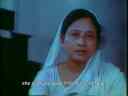
The image shows a person wearing a white garment with a light-colored head covering. The background appears to be indoors, with a staircase visible on the left side. The lighting is soft, and the overall tone is calm. The person seems to be seated, and their posture suggests they are engaged in a conversation.
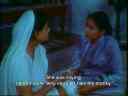
The image shows two women sitting indoors, engaged in a conversation. One is wearing a white sari, and the other is dressed in a purple outfit. The setting appears to be a traditional or rural environment, with wooden furniture and a stone floor visible in the background. The text in the image reads: "She was saying, 'I didn't work, why should I take the money.'"
The image shows a person wearing a light-colored garment, with their head slightly bowed. The background includes a blurred structure that appears to be a traditional architectural element, possibly a pillar or a decorative piece. The lighting is soft, and the overall tone of the image is calm and serene. The person seems to be in a quiet and contemplative moment.

The image shows a person wearing a white garment, possibly a traditional outfit, with a head covering. The background appears to be indoors, with a dark, shadowy area on the left side. The lighting is dim, giving the scene a subdued atmosphere. The person seems to be seated, and the setting suggests a modest or simple environment.
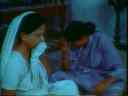
Two women are sitting on the floor, engaged in a conversation. One is wearing a white sari, and the other is wearing a light purple outfit. They appear to be in a traditional setting, possibly in a rural or cultural environment. The background includes a wooden table and a pillar, suggesting an indoor space.
The image shows a person with dark hair tied back, wearing a light blue shirt with small patterns. They are standing in front of a wooden window frame, which appears to be part of a building. The setting seems to be indoors, with a wall painted in a light color. The scene suggests a quiet and possibly residential area.

The image shows a person sitting on the floor, dressed in white clothing, with a calm and serene expression. The setting appears to be indoors, with a wooden floor and a dimly lit background. The person seems to be in a relaxed posture, possibly engaged in a quiet activity. The environment suggests a traditional or cultural setting, possibly in a region where such attire is common.
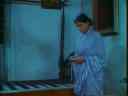
The image shows a woman standing in a room with a wooden bed frame and a wall with a window. She is wearing a light blue sari and appears to be holding something in her hands. The room has a simple, rustic appearance, with visible wooden beams and a plain wall. The setting suggests a traditional or rural environment, possibly in South Asia.
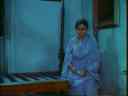
The image shows a person sitting on a wooden bed frame in a room with a plain wall and a window. The person is wearing a light blue garment, and they appear to be holding something in their hands. The room has minimal furnishings, and the lighting suggests it might be evening or nighttime. The setting appears to be a traditional or rural environment, possibly in a region where such attire is common.
The image shows a person sitting on a wooden floor, wearing a white garment and a light-colored head covering. The setting appears to be indoors, with a dimly lit background and a visible doorway. The person seems to be seated comfortably, with one arm resting on their knee. The floor is made of wooden planks, and the room has a rustic appearance. The possible geographic location could be a rural or traditional setting, possibly in a region where such attire is common.
With things having reached a head, the teacher, the erstwhile grand old man of the village appears again as the voice of reason. In fact, it is him who lays bare the class aspect of the village community when he calls the people of the unit from a 'privileged class' who have imposed themselves on the lower classes always. The suggestion is thus clear; rather than disrupting the lives of the villagers, the outsiders should leave and finish their shooting elsewhere on studio. The critical intervention that is at the centre of 'Akaler Sandhane' is one that continuously seeks to push Mrinal Sen the director into introspection, and stock-taking - much like how 'Padatik' had sought to question the political aspect of Sen's cinematic language. Sen remarks: 'The film tries to work on many levels. It tries to suggest that the famine of 1943, which killed five million people in one year, continues. The conditions which contributed to that famine are just as valid today. But something else happens when filmmaker walks into the village attempting to recreate the past. He is not prepared for the manner in which the past becomes the present. As long as the reality can be kept at a distance, for the purpose of filming, as a kind of museum piece, he is fine, he feels safe. But at the moment the past becomes the present, the contemporary reality, he tries to run away.' (‘Interview: 1981’, Interviewed by Udayan Gupta, ‘Montage – Mrinal Sen: Life, Politics, Cinema’, Seagull Books, Calcutta, 2002)
The image shows a man in a white outfit walking through a courtyard surrounded by columns. There are other individuals seated nearby, and the setting appears to be an outdoor area with a classical architectural style. The text in the image reads: "I cannot understand your affair... To hell with your experiment."
The image shows a person sitting outdoors, wearing sunglasses on their head and a patterned shirt. The background features a brick wall and a paved area, suggesting an urban or residential setting. The person appears to be deep in thought, with one hand near their face. The text in the image reads: "I cannot understand your affair... To hell with your experiment."
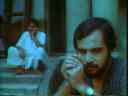
The image shows two individuals sitting outdoors. One person is seated on steps, dressed in white, with bare feet, and appears to be in a contemplative or relaxed posture. The other individual is closer to the camera, wearing a dark shirt and a wristwatch, with hands clasped together near their face. The background includes a structure with columns and a door, suggesting a residential or public building. The setting appears to be in a warm climate, possibly in a region where traditional attire is common.
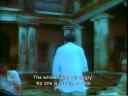
The image shows a man standing in a courtyard surrounded by old stone columns and walls. The area appears to be part of a historical or ancient structure, possibly a temple or a village square. The man is dressed in a white shirt and dark pants, and he is facing away from the camera. The surroundings are dimly lit, giving the scene a somber and reflective atmosphere.
The image shows a person sitting in front of a stone column, wearing a light-colored shirt. The background appears to be part of a structure with columns, suggesting an outdoor or semi-outdoor setting. The person seems to be engaged in a conversation or activity.
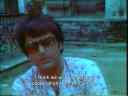
The image shows a person wearing a patterned shirt, standing outdoors in what appears to be a rural or village setting. The background includes a brick wall and a wooden structure, suggesting a rustic environment. The person seems to be speaking to someone off-screen.
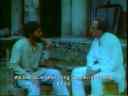
The image shows two individuals sitting on a bench in what appears to be an outdoor setting. One person is wearing a light-colored shirt and pants, while the other is dressed in a white outfit. The background includes a brick wall and a doorway, suggesting a rustic or rural environment. The setting seems to be in a region with warm weather, possibly in South Asia.
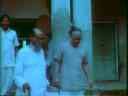
The image shows two individuals walking side by side, with one wearing a white outfit and the other in a light-colored shirt and pants. They appear to be in an outdoor setting, possibly near a building with a door and a pillar visible in the background. The person in the white outfit is holding a cane. The scene seems to be in a warm climate, possibly in a rural or semi-urban area.
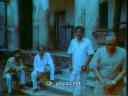
The image shows a group of individuals standing and sitting in front of a building with visible steps and columns. The setting appears to be outdoors, possibly in a residential or communal area. The individuals are dressed in light-colored clothing, and one person is holding a small object. The text in the image reads, "Oh, you do not."
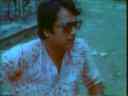
The image shows a person wearing a patterned shirt with a mix of red and white colors. The background appears to be an outdoor setting with a dirt or gravel ground and some vegetation visible in the distance. The person is seated, and the scene seems to be in a rural or semi-urban area.
The image shows two individuals seated outdoors, with one holding a walking stick. The background features a rustic, possibly historical setting with stone structures and a weathered wall. The text in the image reads, "The police can use their sticks."
The image shows a person wearing a patterned shirt with a floral design, standing in front of a rustic, old-looking building. The background features a stone wall and an open doorway leading to a darker interior. The setting appears to be outdoors, possibly in a rural or historical area.
The image shows two individuals seated outdoors, engaged in a conversation. One person is wearing a patterned shirt, while the other is dressed in a white garment. The background features a building with windows and a stone wall. The setting appears to be in a warm climate, possibly in a region with traditional architecture.
The image shows a person with medium-length hair and a beard, sitting outdoors. The background appears to be a stone or brick wall, possibly part of a building or structure. The person is wearing a dark-colored shirt and a watch on their wrist. The lighting suggests it might be evening or early morning. The text in the image reads, "Say, you'll say," and it is in English.
The image shows a person with a white beard and glasses, wearing a white shirt, gesturing with their hands. The background appears to be an outdoor setting with brick structures and a stone wall. The person seems to be engaged in a conversation or explanation. The possible geographic location could be a region with traditional architecture, such as a historical or cultural site.
I see a person standing near a doorway, wearing a traditional outfit. The setting appears to be a rustic or older building with visible wear on the walls and columns. The person seems to be in a relaxed posture, possibly engaged in conversation or waiting. The location seems to be in a region with a warm climate, possibly in a rural or semi-urban area. The text in the image reads, "I had also come from the city, Kolkata."
The image shows a person with a beard and glasses, wearing a white garment. The background appears to be indoors, possibly in a traditional or cultural setting. The person seems to be speaking or expressing something. The text in the image reads, "I have."

The image shows a person sitting outdoors, with a stone structure in the background. The individual appears to be wearing a dark-colored shirt and is holding something in their hand. The setting seems to be a quiet, possibly historical or rural area.
The image shows a person with a beard and glasses, dressed in a white garment, standing in what appears to be an indoor setting with blurred background details. The lighting is soft, and the person's expression seems calm and contemplative. The setting suggests a traditional or cultural environment, possibly in a region where such attire is common. The text in the image reads: "Yet I will not say that you'll be absolutely pure."
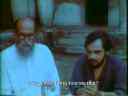
The image shows two individuals seated outdoors, with one wearing a white garment and the other in a darker outfit. The background appears to be a stone structure, possibly part of a building or a wall. The setting suggests a rural or historical location.
The image shows a group of people standing near a building with columns. Most of them are wearing light-colored clothing, and one person is dressed in darker attire. The structure appears to be an old or historical building, possibly in a warm climate. The text visible in the image is in English.
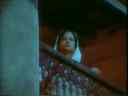
The image shows a person standing on a balcony with ornate iron railings. The individual is wearing a white headscarf and appears to be gazing outward. The background suggests a structure with a reddish-brown wall, possibly indicating a historic or traditional setting. The architectural style hints at a location with cultural or historical significance.
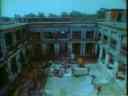
The image shows a large, open courtyard surrounded by multi-story buildings with columns and arches. The courtyard is filled with people, some of whom appear to be working or gathering around a central area. The architecture suggests a historical or cultural site, possibly in a region with a warm climate. The surrounding buildings have a classical design, with visible stone or concrete materials.
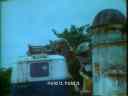
The image shows a person standing near a large, dome-shaped structure, possibly a building or a tower, with another person climbing or working on it. There is a vehicle nearby, which appears to be an older model van or truck. The scene is outdoors, with trees visible in the background. The sky is clear, and the overall setting suggests a rural or semi-urban area. The text in the image reads, "Hold it, hold it."
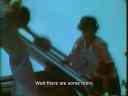
The image shows two individuals working together on a large, mechanical structure. One person is holding a circular object, while the other appears to be assisting or inspecting it. The background is a clear sky, suggesting an outdoor setting. The scene seems to be in a rural or semi-rural area, possibly in a region where such mechanical structures are common.
The image shows a person standing in a narrow passage between two large, aged stone columns. The individual appears to be shirtless, holding a long pole or tool, and is facing a door with a wooden frame. The surrounding walls are made of weathered bricks, and the area seems to have an old, rustic architectural style. The door is painted blue, and there is a small step leading up to it. The scene appears to be in a historical or rural setting, possibly in a Mediterranean or Latin American region, given the architectural style and materials.
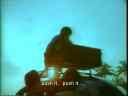
The image shows a person standing on the roof of a vehicle, possibly a car, with another person nearby. The background features palm trees, suggesting a tropical or coastal location. The text in the image reads, "push it, push it..."
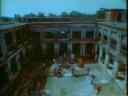
The image shows a large, open courtyard surrounded by multi-story buildings with columns and arches. The courtyard is filled with people, some of whom appear to be working or gathering around various objects. The architecture suggests a historical or cultural site, possibly in a region with colonial-era influences. The surrounding area appears to be rural, with trees visible in the background.
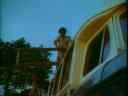
The image shows a person standing on a wooden structure, possibly a ladder or platform, next to a large vehicle, which appears to be a bus or a train. The person is wearing a light-colored shirt and pants. The background includes a clear blue sky and some trees, suggesting an outdoor setting. The scene appears to be in a rural or suburban area, possibly in a tropical or subtropical region based on the vegetation.
The image shows two individuals standing near a wooden structure, possibly a dock or pier, with water visible in the background. The setting appears to be outdoors, with a natural environment. The individuals are dressed casually, and the scene suggests a relaxed or recreational activity. The water and wooden structure indicate a coastal or lakeside location.
The image shows a person lying down on a bed or couch, covered by a white blanket. In the background, there is a wooden desk with drawers, and some items are placed on top of it. The lighting is dim, and the overall setting appears to be indoors. The person seems to be resting or sleeping. The location appears to be a bedroom or a similar personal space.
The image shows a person holding a small, ornate object, possibly a camera or a similar device. The person is wearing a white shirt, and the background appears to be light-colored, possibly a wall or a surface. The object being held is dark and has a metallic or reflective surface. The person seems to be in a close-up position, focusing on the object. The text in the image reads, "close it... close it."
The image shows a group of people walking along a pathway with large stone columns on either side. The pathway is shaded by the columns, and the scene appears to be outdoors, with greenery visible in the background. The people are casually dressed, and some are carrying bags or other items. The setting suggests a historical or cultural site, possibly in a region with a warm climate.
The image shows a young child standing next to a stone wall. The child is wearing a white sleeveless top and is holding a cylindrical object, possibly a container, in their right hand. The background includes a textured stone wall and a plain wall painted in a light color. The child appears to be in a rural or semi-urban setting, possibly in a region with a warm climate.
The image shows a person standing in front of a structure with large, weathered columns. The building appears to be old, with visible wear and some damage to the walls and steps. The person is wearing a white shirt and light-colored pants, and they are looking up at the structure. The setting seems to be outdoors, with natural light illuminating the scene. The architectural style suggests it could be a historical or ancient structure, possibly in a region with a warm climate.
The image shows a person standing in front of a building with a brick wall on the left and a concrete wall on the right. The person is wearing a light-colored shirt and appears to be holding something in their hands. The background includes a railing and a window, suggesting an outdoor or semi-outdoor setting. The lighting suggests it is daytime. The geographic location appears to be a rural or semi-urban area, possibly in a region with warm climates.

The image shows a person standing in a dark environment, possibly outdoors, with a faint light source illuminating their face. The surroundings are very dark, making it difficult to discern details beyond the individual. The person appears to be wearing a hat and a jacket, suggesting cooler weather. The possible geographic location is a rural or remote area, given the lack of visible structures or urban features.
Indiancine.ma requires JavaScript.
