Bhavni Bhavai (1980)
Director: Ketan Mehta; Writer: Ketan Mehta, Dhiruben Patel; Producer: Paresh Mehta; Cinematographer: Pammy; Editor: Ramesh Asher; Cast: Naseeruddin Shah, Smita Patil, Mohan Gokhale, Om Puri, Dina Pathak, Suhasini Mulay, Benjamin Gilani, Pransukh Nayak P. Kharsani, Kailash Pandya, Satish Pandya Mansoor Badri, Balmiki, Nimesh Desai, Gopi Desai
Duration: 02:10:23; Aspect Ratio: 1.333:1; Hue: 30.759; Saturation: 0.259; Lightness: 0.292; Volume: 0.318; Cuts per Minute: 10.154; Words per Minute: 33.774
Summary: Mehta’s debut is a remarkably successful transposition of the folk performance idiom to the screen. It is dedicated to Brecht, Goscinny and to the inventor of the Bhavai, Asait Thakore, who was a Gujarati Brahmin cast out from his community. He proceeded to live among the lower castes and his descendents, the targalas, are the traditional Gujarati performers of the plays he wrote and dedicated to Amba, a mother goddess. The Bhavai evolved into one of India’s most energetic folk music and dance dramas. It has an episodic structure consisting of Veshas (playlets set in medieval Gujarat stressing masquerades and offering much scope for improvisation) and mobilises a wealth of religious, political and mythological references, usually held together by a male Rangla and female Rangli chorus. The film deploys a ‘chinese box’ structure. In the framing narrative, a group of persecuted Harijans (Untouchables) are migrating to the city and pause for the night. To the accompaniment of Malo’s (Puri) music, a story is told of the time when Harijans had to have broomsticks tied to their backs in order to erase their footsteps while walking. The tale is of a king (Shah) with two wives. When the elder queen delivers a male heir, the younger one (Mulay) conspires to have the child killed. But the child survives and, raised by Malo, grows up into the handsome Jivo (Gokhale). The climax of the film combines Jivo’s sexual awakening in response to the wild tribal woman Ujam (Patil) with the digging of a well by the Untouchables to propitiate the gods, so that the king may have another heir. However, in a traditional happy ending, the well yields water, Jivo is saved and the people freed. This ending of Malo’s story is disputed by his audience, who suggest an alternative: Jivo is beheaded and Malo jumps into the dry well cursing the king with his dying breath; his sacrifice results in a flood that washes away the evil rulers (this ending is intercut with documentary footage of India’s freedom struggle). The film’s own end shifts back into realism showing the Harijans approaching the city. The film succeeds mainly through the extraordinary performances of e.g. Shah, Gilani (the commander) and Mulay, enhanced by comic-strip-style camera angles and exotic locations. Its several contemporary references include violent caste riots in Ahmedabad and the severe drought in Northern Gujarat.
The image shows a group of people standing in a row, silhouetted against a bright, reddish sky. The people appear to be engaged in various activities, such as walking or standing. The landscape is flat, and the horizon is visible. The scene seems to be set in a desert or arid region, given the lack of vegetation and the color of the sky.
The image shows a group of people walking along a sandy area near a body of water. The terrain appears dry, and the background includes a river or lake with a distant shoreline. The people seem to be casually moving, with one person crouching near the ground. The text in the image reads, "I want to go home, mother."
The image shows a person carrying a child on their back. The person is wearing a head covering and a garment that appears to be made of a light fabric. The child is wearing a darker outfit. The background consists of a sandy or rocky terrain, suggesting a dry, arid environment. The scene appears to be in a rural or desert area.
The image shows a person wearing a headscarf and a coat, sitting outdoors in what appears to be a rural or natural setting. The background includes a body of water and a grassy area, suggesting a countryside or open field environment. The person is seated on the ground, and the lighting suggests it might be evening or early morning.
The image shows a group of people sitting on a sandy hill under a large tree. Some individuals are seated in a circle, while others are scattered around the area. The scene appears to be in a rural or semi-arid region, with a dry, earthy landscape. The people are dressed in traditional attire, and the overall setting suggests a communal gathering or meeting.
The image shows a person in a light-colored outfit bending over another individual who appears to be seated or crouched. The setting seems to be outdoors, possibly on a paved surface with greenery visible in the background. The lighting suggests it might be evening or early morning. The text in the image reads, "Nor cast a shadow."
The image shows a person holding a child, with a soft, warm light illuminating the scene. The background appears to be a natural setting, possibly outdoors, with a tree or foliage visible. The text in the image reads, "Many strange restrictions and impositions."
The image shows a group of people, including children, standing under a large tree with hanging branches. The background is a warm, glowing sky, suggesting a sunset or sunrise. The people appear to be in a rural setting, possibly in a village. The text in the image reads, "Had time to roam the village."
The image shows a person pointing towards something in the distance, with a group of people gathered around. The setting appears to be outdoors, possibly in a rural or natural environment, with a tree and some foliage visible. The lighting suggests it might be late afternoon or early evening. The text in the image reads, "What are we forced to do? What?"
The image shows a person standing in a vast, open landscape with a flat terrain and distant trees visible on the horizon. The person appears to be wearing a coat and sunglasses, and they are holding something in their hand. The environment suggests a rural or remote area, possibly in a region with dry or arid conditions. The text in the image reads: "Let me tell you the tale of the Untouchable's garb..."
The image shows a person standing in a sandy area, wearing traditional clothing, including a head covering and a draped garment. There is another person sitting on the ground nearby, and a tree is visible in the background. The setting appears to be a rural or desert-like environment. The text in the image reads, "We had to hang a clay spiticon around our necks."
The image shows a person standing in a desert-like environment, wearing a traditional garment and a headband. The person appears to be holding something in their hand, possibly a small object or tool. The background is a sandy terrain with a reddish hue, suggesting a dry, arid climate. The text in the image reads, "But why?"
The image shows a silhouette of a person standing in a barren, desolate landscape. The sky is a muted orange, and there are long, hanging branches or vines in the upper part of the frame. The ground appears dry and uneven, with a few sparse plants visible. The person is standing alone, facing away from the viewer, and there are shadows cast by the surrounding environment. The text in the image reads, "Question... and all is revealed."
Song: Khar khar behti, sagdu seheti..
The image shows a man and a child sitting by a fire in a dark, forested area. The man appears to be telling a story, gesturing with his hands, while the child listens attentively. The fire is small, and the surrounding area is dimly lit, suggesting a nighttime setting. The man is wearing a white garment, and the child is dressed in a simple outfit. The scene conveys a sense of intimacy and storytelling. The geographic location appears to be a rural or forested area, possibly in a region with a warm climate.
The image shows a man dressed in traditional attire, including a white robe and turban, standing in a dimly lit setting. He appears to be engaged in a conversation with a younger person who is seated. The background includes hanging objects that resemble dried plants or herbs, and the setting seems to be outdoors, possibly in a rural or desert area. The lighting suggests it is nighttime.
The image shows a person holding a dark object, possibly a container, with their hand extended towards the light. The background appears to be a sunset or sunrise, with a warm glow and a slightly hazy atmosphere. The person is wearing a striped garment, and the scene seems to be outdoors, possibly in a rural or natural setting. The light source is low and creates a silhouette effect.
The image shows a person standing in a body of water, possibly a river or lake, with trees and a clear sky in the background. The person appears to be shirtless, and the water level reaches their chest. The surrounding environment suggests a natural setting, likely in a rural or countryside area.
The image shows two individuals engaged in a ceremonial activity. One person is wearing a turban and traditional attire, while the other is dressed in a pink jacket and appears to be assisting with the ritual. The scene is set outdoors, with a clear sky in the background. The geographic location seems to be in a region where such traditional attire and rituals are common, possibly in South Asia.
The image shows a person standing in front of a large, plain, light-colored fabric backdrop. The person is wearing a long dress with a floral pattern and has their hands raised to their head, as if adjusting something or posing. The background appears to be outdoors, with a clear sky visible. The person's silhouette is prominent against the backdrop.
The image shows three individuals walking up a set of stone steps. The person in the middle is wearing a turban and traditional attire, while the two individuals on either side are dressed in colorful garments. The setting appears to be outdoors, with the steps leading up to a higher level. The geographic location seems to be in a region where traditional clothing and architecture are common, possibly in South Asia.
The image shows a group of people walking under a series of tall, intricately carved stone pillars. The pillars are part of a larger structure with a tiled floor, and the scene appears to be outdoors with greenery visible in the background. The people are dressed in traditional attire, and the overall setting suggests a historical or cultural location. The geographic location appears to be in a region with a warm climate, possibly in South Asia or the Middle East.
The image shows a person dressed in traditional attire, standing in front of a temple entrance. Behind them, there are two statues of deities, one larger than the other, placed on a raised platform. The setting appears to be a religious or cultural site, possibly in India, given the attire and architectural style.
The image shows a group of people dressed in traditional attire, standing in what appears to be an outdoor setting with trees and a stone structure in the background. The scene seems to be a gathering or celebration, with individuals wearing vibrant clothing and engaging in a respectful or ceremonial activity. The text in the image reads, "The king of kings beegs before you."
The image shows a group of people standing together in a lush outdoor setting. They are dressed in traditional attire, with vibrant colors and patterns. The background features greenery and trees, suggesting a serene and natural environment. The architectural structure visible includes a stone pillar and a hanging bell, hinting at a cultural or historical site.
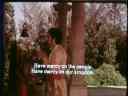
The image shows a man dressed in traditional attire standing near a pillar, with a bell hanging above him. The background features lush greenery and trees, suggesting an outdoor setting. The scene appears to be set in a place with a warm climate, possibly in a region with historical or cultural significance. The text in the image reads: "Have mercy on the people. Have mercy on our kingdom."
The image shows a person dressed in traditional attire, standing in front of a backdrop that includes ornate statues and a curtain. The individual appears to be gesturing with their hands, and there is a visible text overlay in English that reads, "Have mercy on us." The setting suggests a cultural or religious context, possibly in a temple or a place of worship.
The image shows a person standing in the middle of a spacious, open area with a tiled floor. The person is wearing a light-colored dress and a red belt, and they appear to be holding something in their hands. On either side of the person, there are two large, colorful objects that resemble traditional ceremonial or decorative items. The background includes pillars and greenery, suggesting an outdoor or semi-outdoor setting. The area appears to be part of a larger structure, possibly a temple or a pavilion.
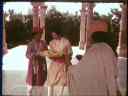
The image shows three individuals dressed in traditional attire, standing in an open courtyard surrounded by columns. One person is holding a tray of food, while the others appear to be engaged in conversation. The setting suggests a historical or cultural location, possibly in a region with a warm climate. The architecture and clothing hint at a location in South Asia or a similar region.
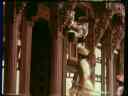
The image shows a person dressed in traditional attire, walking past a structure with ornate wooden carvings. The structure appears to be part of a building with intricate designs, possibly a temple or a historical site. The person is wearing a turban and a white garment, and there is a sign in the background with text in a non-English script.
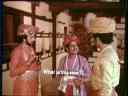
The image shows three individuals dressed in traditional attire, standing in what appears to be a richly decorated indoor setting. The person on the left is wearing a red outfit with gold embellishments, while the person in the middle is dressed in purple and white, and the person on the right is wearing a yellow and white ensemble. The background features wooden structures and shelves, suggesting a setting that could be a palace or a traditional home. The text in the image reads, "What is this smell?"
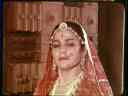
The image shows a person adorned in traditional attire, including a red and gold patterned garment, intricate jewelry, and a headpiece. The background features a wooden structure with ornate carvings, suggesting a setting that could be historical or cultural. The person appears to be in a formal or ceremonial context.
The image shows three individuals dressed in traditional attire, with vibrant colors and intricate designs. The setting appears to be indoors, with wooden architecture and a staircase visible in the background. The individuals are engaged in conversation, with one person holding a small object. The scene suggests a cultural or historical context, possibly from a region known for such attire.
The image shows two individuals dressed in traditional attire, with one wearing a golden outfit and the other in red. The setting appears to be indoors, with a pillar visible in the background. The scene seems to be part of a formal or ceremonial event. The text in the image reads: "King of kings... The great Chhatrasal arrives..."
The image shows two individuals in a richly decorated setting. One person is seated on a white couch, wearing a golden outfit and a turban, while the other person, dressed in a purple and red outfit, is standing nearby. The background features ornate carvings and a red decorative element. The text in the image reads, "Where it was."
The image shows two individuals dressed in traditional attire, with one wearing a yellow turban and the other a red turban adorned with a peacock feather. They appear to be engaged in a conversation. The background suggests a setting that resembles a palace or a grand structure, with wooden beams and intricate designs visible. The text in the image reads, "The palace has not been cleaned."
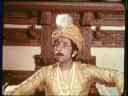
The image shows a person dressed in traditional attire, wearing a golden outfit and a turban adorned with a white feather. The background features intricate wooden carvings, possibly indicative of a historical or cultural setting. The person appears to be seated on a cushioned surface, with a decorative backdrop behind them. The setting suggests a location with a rich cultural heritage, possibly in South Asia.
The image shows a group of individuals in a traditional setting, with one person seated prominently in the foreground wearing a bright orange garment and a turban. The background features wooden pillars and a stone floor, suggesting an indoor environment with historical or cultural significance. The individuals appear to be engaged in conversation or a gathering. The possible geographic location could be in a region with a rich tradition of such attire and architecture, possibly in South Asia.
The image shows a group of people walking along a dirt path in a rural area. They are carrying a decorated, covered carriage on a horse. The terrain is dry and rocky, with sparse vegetation. The people are dressed in traditional clothing, with some wearing turbans. The scene appears to be in a region with a warm climate.
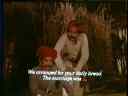
The image shows two individuals dressed in traditional attire, with one person seated and the other standing behind them. The background consists of tall, dry vegetation, possibly sugarcane or a similar crop. The setting appears rural, with a natural and rustic environment. The text in the image reads, "We arranged for your daily bread. The marriage was..."
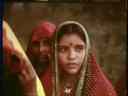
The image shows a woman wearing a red and gold sari with a dot on her forehead, standing in front of a man in a red garment. The background appears to be a rustic or rural setting, possibly outdoors. The woman is looking slightly to her right, and the man is partially visible behind her. The scene suggests a cultural or traditional context, possibly in South Asia.
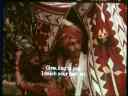
The image shows two individuals dressed in vibrant, traditional attire, with intricate patterns and designs. One person is wearing a headpiece with a feather and a red and white patterned garment, while the other is adorned in a similarly colorful outfit. The background features a decorative fabric with geometric patterns and a lush green plant. The text in the image reads, "Greeting to you, I touch your feet, sir." The scene appears to be set in a warm, possibly tropical or desert-like environment, suggested by the attire and the greenery.
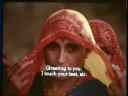
The image shows a person wearing a vibrant red and yellow headscarf, with intricate patterns visible. The person is standing outdoors, with another individual partially visible in the background. The scene appears to be in a rural or traditional setting, possibly in a region where such attire is common. The text in the image reads, "Greeting to you. I touch your feet, sir."
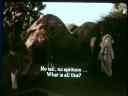
The image shows a group of people standing near a cluster of traditional huts made of natural materials like straw or reeds. The huts are dome-shaped and appear to be part of a rural or village setting. The people are dressed in traditional attire, suggesting a cultural or ethnic community. The scene is outdoors, with trees visible in the background. The lighting suggests it is daytime.
The text in the image reads: "No tail, no spiltoon... What is all this?"
The image shows a rural outdoor setting with three men standing and engaging in conversation. They are dressed in traditional attire, with turbans and loose garments. The background includes a tree, a thatched structure, and some hanging fabrics. The scene appears to be in a rural area, possibly in a region with a warm climate.
Two individuals wearing traditional attire walk along a narrow dirt path between rustic, thatched-roof huts. The huts are made of natural materials, and the path is surrounded by dense vegetation. The scene appears to be in a rural or village setting, possibly in a tropical or subtropical region.
The image shows a person wearing a red turban and a necklace, standing indoors. The background appears to be a room with wooden furniture and a window. The text in the image reads, "Why does it smell like hell?" The person seems to be in a setting that could be a traditional or cultural environment, possibly in a Middle Eastern or South Asian region.
The image shows two individuals wearing traditional attire, with one prominently in the foreground. The person in the foreground is wearing a red turban and has a mustache, with a visible earring. The background features another individual with a red turban, slightly blurred. The setting appears to be indoors, possibly in a historical or cultural context. The text in the image reads, "God know!!"
The image shows a group of people in traditional attire, gathered in what appears to be a courtyard or open area with ornate architectural features. The setting suggests a historical or cultural location, possibly in a region with a rich tradition of craftsmanship and architecture.
The image shows a person seated on a richly decorated throne-like chair, dressed in traditional attire with a golden robe and a turban adorned with a white feather. The background features ornate wooden carvings and a red decorative fan. The person appears to be in a formal setting, possibly a palace or a ceremonial hall. The text in the image reads, "Not deed but wed, my land."
The image shows a person wearing a vibrant red turban adorned with gold accents, standing in front of a richly decorated wall with intricate patterns. The person is dressed in traditional attire, which includes a light-colored garment with a white border. The setting appears to be indoors, with a focus on cultural or historical significance. The background suggests a location with ornate decor, possibly in a region known for such designs.
The image shows two individuals seated in a traditional setting, with one wearing a golden outfit and turban, and the other in an orange outfit with a turban. The background features wooden structures and a decorative cushion. The text in the image reads, "How dare they wed?"
The image shows a group of individuals wearing white clothing and headbands, standing in a row. They appear to be engaged in a focused activity, possibly a ceremony or a gathering. The setting seems to be indoors, with a warm and subdued lighting atmosphere. The individuals are positioned closely together, suggesting a communal or collective purpose. The background is slightly blurred, but it appears to be a simple, undecorated interior.
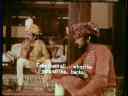
The image shows two individuals dressed in traditional attire, seated in what appears to be a richly decorated indoor setting. One person is wearing a golden outfit with a turban, while the other is dressed in a red garment with a matching turban. The background includes ornate wooden furniture and a decorative wall. The setting suggests a cultural or historical context, possibly in a region known for such attire and architecture. The text in the image reads: "Take them all... whip the skirts off the... backs."
The image shows a group of individuals dressed in traditional attire, with white head coverings and garments. They appear to be engaged in a solemn or reflective activity, possibly a ritual or ceremony. The setting seems to be indoors, with a dimly lit background that suggests a cultural or religious context. The individuals are closely grouped, and their expressions indicate concentration or contemplation.
The image shows a person walking through a large, open courtyard surrounded by tall, ornate columns. The structure appears to be a multi-level building with intricate architectural details, including decorative railings and pillars. The person is dressed in light-colored clothing and is walking away from the viewer. The setting seems to be historical, possibly in a region with a colonial or traditional architectural style. The surrounding area is spacious, and the courtyard has a sense of grandeur and elegance.
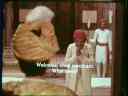
The image shows a person in traditional attire, wearing a turban and a golden robe, standing in front of a building with ornate architecture. Another person, dressed in white with a red sash, is seen in the background, holding a staff. The setting appears to be a historical or cultural location, possibly in a region with a warm climate. The text in the image reads: "Welcome, chief merchant. What news?"
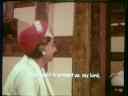
The image shows a person wearing a red headscarf and white clothing, standing in front of a wall with a decorative pattern. The person appears to be speaking or gesturing. The setting seems to be indoors, possibly in a traditional or cultural environment. The text visible in the image is: "You ought to protect us, my lord."
The image shows a group of individuals dressed in traditional attire, with one person in the foreground wearing a turban and a white robe with red accents. The setting appears to be an outdoor area with a stone or tiled floor, and the background includes a wooden structure with intricate carvings. The individuals seem to be engaged in a conversation or a performance, with one person gesturing with their hand. The possible geographic location could be a region in South Asia, such as India or Pakistan, based on the traditional clothing and architectural style.
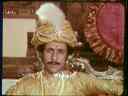
The image shows a person dressed in traditional attire, including a golden turban adorned with a white feather and jewels. The individual is seated on an ornate chair with intricate designs, and a red and gold decorative backdrop is visible. The person appears to be in a regal or ceremonial setting. The text in the image reads, "Who is it?"
The image shows a person wearing a colorful turban and a necklace, standing in front of a wall with intricate wooden carvings. The person appears to be in a traditional or cultural setting, possibly in a region known for such designs. The text in the image reads, "It's me."
The image shows a person dressed in elaborate golden attire, with a decorative turban adorned with a white feather. The background appears to be a grand, ornate setting, possibly a palace or a royal court. The person is seated on an intricately designed chair, and there is a red and gold decorative element visible to the right. The text in the image reads, "He is our secret spy."
The image shows a person dressed in elaborate golden attire, sitting on a richly decorated chair. The individual is wearing a turban adorned with a white feather and jewels, and a necklace of pearls. The background features ornate wooden carvings and a red curtain, suggesting a regal or ceremonial setting. The person appears to be in a relaxed posture, with one leg crossed over the other. The setting seems to be in a region with a historical or cultural emphasis on opulence and tradition, possibly in South Asia or the Middle East.
The image shows a person wearing a colorful turban and traditional attire, standing in what appears to be a rustic or historical setting with wooden beams and a patterned wall in the background. The person is looking slightly to the side, and there is a visible text overlay in English. The text reads, "The news is bad, humour of revolt ahead." The setting suggests a location with cultural or historical significance, possibly in a region with a rich tradition of storytelling or theater.
The image shows a person wearing a golden crown and ornate attire, suggesting a royal or ceremonial setting. The background features wooden panels, possibly indicating an indoor location. The person appears to be seated, with one arm extended slightly.
The image shows a person wearing a colorful turban and traditional attire, standing in front of a structure with intricate wooden carvings. The background suggests a setting that could be a cultural or historical site. The text in the image reads, "People gather together, and whisper like mad."
The image shows a person dressed in traditional attire, including a turban adorned with a decorative feather and jewels. The background features ornate wooden carvings, suggesting a setting that could be historical or royal. The person appears to be speaking or reacting to something, with a serious expression. The text in the image reads, "Then declare an emergency."
The image shows a person wearing a colorful turban and traditional attire, standing near a wooden structure with a vertical partition. The background includes a red circular object with fringes and a white object that appears to be a lamp or a decorative item. The setting seems to be indoors, possibly in a traditional or cultural location.
The image shows two individuals dressed in traditional attire, seated in what appears to be a richly decorated indoor setting. One person is wearing a turban and a golden robe, while the other is dressed in a red garment with intricate embroidery. The background features ornate furnishings and a pillar, suggesting a setting of historical or cultural significance. The possible geographic location could be in a region known for such traditional clothing and architecture, such as South Asia or the Middle East.
The image shows two individuals in traditional attire. One person is seated on a richly decorated wooden throne, wearing a golden outfit and a turban, while the other person is standing nearby, dressed in white. The setting appears to be a royal or ceremonial environment, with ornate furnishings and a regal atmosphere. The geographic location seems to be in a South Asian country, possibly India, based on the traditional clothing and the style of the throne.
The image shows a person wearing a red hat and a white garment, standing indoors. The background includes wooden walls and a door with a window. The person appears to be in motion, as the image is slightly blurred. The setting suggests a rustic or traditional interior, possibly in a rural or historical location.
The image shows a person lying on a wooden structure, with another person leaning over them. The setting appears to be outdoors, with a rustic or rural environment visible in the background. The person lying down is wearing a head covering, and there is a hand reaching out towards them. The scene suggests a moment of care or assistance.
The image shows two individuals wearing traditional attire, including turbans and long garments. One person is leaning on a wooden structure, while the other is standing nearby. The setting appears to be outdoors, possibly in a rural or historical area. The text in the image reads, "No, our job is to slay them dead."
The image shows a person wearing a red turban and a beige outfit, leaning over a wooden structure. The background includes a wall with a decorative design and a spear or weapon leaning against it. The person appears to be in a rural or traditional setting, possibly in a region with a warm climate. The text in the image reads, "And be alain some day."
I see two individuals in traditional attire, one standing and the other bent over, seemingly engaged in a conversation. The setting appears to be an outdoor area with architectural elements such as pillars in the background, suggesting a historical or cultural location. The text visible in the image is: "I wonder, when we die, will there be some one to carry us?"
The image shows a person wearing a red turban and a light-colored shirt, holding onto a rope. The background features wooden beams and a wall with a rectangular opening. The person appears to be in a traditional setting, possibly in a rural or historical area.
The image shows two individuals in what appears to be a traditional setting. One person is wearing a red turban and is holding another person who is dressed in a white garment. The background includes a wooden structure and a window with a grid pattern. The scene seems to be indoors, possibly in a rural or traditional household.
The image shows two individuals in a traditional setting. One person is wearing a white shirt and a red turban, while the other person is bent over, appearing to be engaged in some activity. The background features wooden structures and a rope hanging from above. The scene appears to be in a rural or traditional area, possibly in a region where such attire is common.
The image shows a traditional wooden structure with sliding doors, featuring a large metallic object resembling a traditional Japanese water heater or tea urn on the left side. The interior appears to be a traditional Japanese room with wooden beams and a visible corridor leading to another area. The setting suggests a historical or cultural location, possibly a tea house or a traditional Japanese residence.
The image shows a person in traditional attire, with a golden head covering, standing in front of a mirror. The background features ornate wooden panels and intricate carvings, suggesting a setting rich in cultural or historical significance. The person appears to be engaged in a reflective or contemplative moment.
The image shows a person dressed in traditional attire, standing indoors with a decorative background. The person appears to be gesturing with one hand, and the setting suggests a historical or cultural context. The text in the image reads, "Not me! Your king is the king of fools."
The image shows a person wearing a golden, intricately designed garment, standing in front of a mirror. The person is adorned with jewelry, including a headpiece and a necklace, and appears to be reflecting their image. The setting suggests a traditional or cultural environment, possibly in a region where such attire is common.
The image shows a person in a golden outfit with their arms raised, standing in a room with wooden walls and windows. There is another person lying on a bed or couch, wearing a red turban. The room has a rustic appearance, with visible wooden beams and a simple, traditional setting. The possible geographic location appears to be a region with a warm climate, possibly in South Asia or the Middle East.
The image shows two individuals dressed in traditional attire, standing in a corridor with ornate wooden walls and decorative elements. One person is wearing a yellow outfit with a red sash, while the other is dressed in a purple and pink ensemble with a red turban. The setting appears to be a historical or cultural location, possibly in a region with a rich tradition of craftsmanship. The text in the image reads, "When the palace sliinks... You glory too sinks."
The image shows two individuals dressed in traditional attire, standing in what appears to be an ornate, historical setting with intricate architectural details. One person is wearing a golden outfit with a turban, while the other is dressed in a purple garment with a red turban. The background suggests a location with cultural or historical significance, possibly in a region known for such architecture. The text in the image reads, "You had the sweepers whipped, they lie wounded..."
The image shows two individuals dressed in traditional attire, with one wearing a golden outfit and the other in a red turban. The setting appears to be an ornate, intricately carved wooden structure, possibly indicative of a historical or cultural site. The individual in the golden outfit is holding a small object near their mouth, while the other person is looking at them attentively.
The image shows a group of individuals in traditional attire, standing in what appears to be a corridor or hallway. The walls are adorned with framed pictures, and the setting suggests a historical or cultural location. The text in the image reads, "The palace has not been cleaned. Why?"
The image shows two individuals sitting on a stone bench in front of a traditional wooden structure with intricate carvings. The structure has a series of pillars and a balcony above, with a hanging bell visible in the background. The individuals are dressed in traditional attire, including turbans, and appear to be engaged in conversation. The setting suggests a historical or cultural location, possibly in a region known for its wooden architecture and traditional dress.
The image shows a person standing in front of a large, ornate building with columns and intricate designs. The person is wearing white clothing and appears to be holding something above their head. The text in the image reads, "Justice, my lord. I seek justice." The setting seems to be a place of importance, possibly a temple or a government building, with architectural features suggesting a historical or cultural significance.
The image shows two individuals wearing traditional attire, including red turbans, standing in front of a wooden structure with intricate carvings. The structure appears to be part of a larger building, possibly a temple or a historical site, with hanging lanterns and wooden beams. The setting suggests a location with cultural or historical significance, possibly in South Asia.
The image shows a metallic object with a wide, rounded base and a narrow top, resembling a funnel or a pipe. There is a rectangular block nearby, connected by a thin wire. The surface appears to be rough and textured, possibly concrete or stone. The scene seems to be outdoors, with natural lighting.
The image shows a traditional indoor setting with wooden doors and windows, adorned with intricate carvings and hanging decorations. A man in traditional attire, wearing a turban and jewelry, is seated on the floor, holding a baby. A woman in a richly decorated outfit, with a headscarf, is seated nearby, looking at the baby. The room has a warm, earthy tone, and the furniture and decor suggest a setting from a historical or cultural region.
The image shows a person dressed in traditional attire, wearing a red hat and a purple garment, standing in front of a wooden structure with glass panels. The background features a faint depiction of the Eiffel Tower, suggesting a possible connection to Paris. The text in the image reads, "His lordship King Chakraesen arrive."
The image shows a man in traditional attire sitting on a bed, with a woman lying beside him. A servant or attendant stands in the background, and the room has wooden walls and windows with curtains. The setting appears to be a royal or noble residence, possibly in a region with a warm climate. The text in the image reads: "His lordship King Chakrazen arrive."
The image shows a wooden bed frame with a red and yellow painted post, a red and white striped blanket, and a partially visible rug on the floor. The setting appears to be indoors, with a wall and a door visible in the background. The room has a rustic or traditional aesthetic, possibly indicative of a rural or older home.
The image shows a person dressed in traditional attire, standing near a bed with a red and gold blanket. The room has wooden walls and a tiled floor, with a decorative vase on the left side. The person appears to be in motion, possibly dancing or gesturing. The setting suggests a traditional or cultural environment, possibly in a region with a warm climate.
The image shows a man seated on a bed with ornate wooden furniture in the background. The room has a traditional aesthetic, with a wooden door and decorative vases visible. A woman is kneeling on the floor in front of the man, appearing to be in a submissive or respectful posture. The text in the image reads, "This is not the court! come closer."
The image shows a person wearing a golden, intricately designed garment, possibly a traditional outfit, with a head covering. The background includes a patterned wall, a wooden cabinet, and a decorative object resembling a lamp or a chandelier. The setting appears to be indoors, with a warm and rich aesthetic. The possible geographic location could be a region known for traditional attire and ornate interior designs, such as parts of South Asia or the Middle East.
The image shows a man dressed in traditional attire, sitting on a bed with ornate wooden furniture in the background. The room has a rustic, wooden aesthetic, with a large wooden door and decorative vases. The man is wearing a golden outfit with intricate designs, and there is a woman lying on the floor in front of him, dressed in a similar style. The setting appears to be a traditional Indian or South Asian interior.
The image shows a person wearing a traditional garment with intricate patterns, standing in a room with wooden walls and windows. The person appears to be engaged in an activity, possibly preparing or handling something. The setting suggests a cultural or historical context, possibly in a region with a strong tradition of such attire.
The image shows a person dressed in traditional attire, with visible jewelry, lying on the floor under a table. The floor is covered with a patterned carpet, and the table has a red and gold base. The person appears to be engaged in a cultural or ceremonial activity, possibly a dance or ritual. The setting suggests a location in South Asia, possibly India, based on the traditional clothing and the style of the carpet.
The image shows two individuals dressed in elaborate, traditional attire, seated in what appears to be a richly decorated room with wooden paneling and a decorative clock on the wall. The setting suggests a historical or cultural context, possibly in a region known for its intricate craftsmanship and vibrant traditions. The text in the image reads, "Come closer. Let me tell you a story."
The image shows two individuals engaged in a conversation. One person is wearing a golden traditional outfit, adorned with jewelry, while the other person, whose back is visible, appears to be dressed in a similar style. The setting seems to be indoors, with wooden paneling and a decorative element visible in the background. The text in the image reads: "You must be busy. We can talk later at leisure."
The image shows two individuals in a richly decorated room with wooden panels and intricate designs. One person is wearing a golden outfit, while the other has a white garment with a floral accessory in their hair. The setting appears to be a traditional or historical indoor space, possibly in a region with a warm climate. The text in the image reads, "Once we had gone hunting..."
The image shows two individuals dressed in traditional attire, sitting on a richly decorated couch. The room has ornate wooden paneling and decorative items hanging on the walls. The setting appears to be a traditional or historical interior, possibly in a region with a strong cultural heritage.
The image shows a person wearing traditional attire, adorned with intricate jewelry, including a headpiece and earrings. The background features decorative elements, possibly indicative of a cultural or festive setting. The person appears to be in a setting that suggests a warm and vibrant environment, possibly in a region known for such attire and decor.
The image shows a person dressed in traditional attire, sitting in what appears to be a richly decorated room with wooden panels and ornate furnishings. The person is wearing a golden outfit with intricate patterns and a necklace. The background includes a wooden door and a decorative object, possibly a statue or a piece of art. The setting suggests a historical or cultural context, possibly in a region known for such architecture and attire.
The image shows two individuals dressed in traditional attire, sitting in a richly decorated room with wooden beams and ornate decorations. The room has a warm, earthy tone with intricate patterns on the walls and furniture. The setting appears to be a traditional Asian interior, possibly from a historical period.
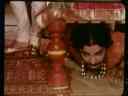
The image shows a person lying on the floor, partially hidden under a piece of furniture. The person is wearing a traditional outfit, including a necklace, and appears to be in a room with a patterned carpet. The furniture has a red and yellow base, and the person is positioned near the edge of the carpet. The visible part of the room suggests a warm, possibly South Asian, setting.
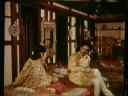
The image shows two individuals dressed in ornate, traditional attire, seated in a richly decorated room with intricate wooden paneling and ornate furnishings. The room has a warm, regal ambiance, with a large mirror and a bed visible in the background. The setting suggests a historical or cultural context, possibly from a region known for its elaborate craftsmanship and traditional clothing styles.
Song: Ranglo Rangli
The image shows a person wearing a vibrant red turban and a purple outfit with intricate patterns. The person appears to be engaged in an activity, possibly dancing or performing, as they are holding their hands close to their face. The background is a plain, earthy surface, suggesting an outdoor or rural setting. The person's attire and the activity suggest a cultural or traditional event.
The image shows a person walking in a spacious, open area with a tiled floor. The person is wearing a traditional outfit, including a hat and a long robe, and appears to be moving toward the right side of the image. The surroundings include walls and steps, suggesting an indoor or courtyard-like setting. The area seems to be part of a larger structure, possibly a historical or cultural site. The flooring is made of tiles, and the walls have a rustic appearance.
The image shows a richly carved wooden structure with intricate designs, including what appears to be mythical creatures and ornate patterns. The setting seems to be indoors, possibly in a temple or a traditional cultural site. The lighting is dim, giving the scene a warm and historic feel.
The image shows a narrow alleyway with buildings on either side, illuminated by natural light. The architecture appears to be old, with stone walls and a rustic appearance. The text in the image reads, "Frailty! Thy name is woman."
The image shows a detailed and ornate structure with intricate carvings and wooden elements. The setting appears to be a traditional or historical architectural space, possibly a temple or a cultural site. The design includes carved wooden railings and decorative elements, with a focus on craftsmanship and detail.
The image shows a person wearing a vibrant red turban adorned with intricate patterns and gold accents. The person is dressed in a light-colored garment, possibly a traditional outfit. The background appears to be an indoor setting with warm tones, suggesting a cultural or historical location.
The image shows a reflective surface, possibly a mirror, with a column visible on the left side. The reflection shows a hallway or corridor with wooden doors and a tiled floor. The lighting is warm, and the scene appears to be indoors. The column is dark and has a decorative base. The reflection suggests a formal or traditional architectural style.
The image shows a person standing in a courtyard surrounded by brick structures. The individual is holding a long rope or cord, which extends across the space. The setting appears to be an open, dry area with a dusty floor and a few visible pillars. The architecture suggests a traditional or historical style, possibly in a region with a warm climate.
The image shows a person wearing a red turban and a pink garment, standing in front of a wooden structure with intricate carvings. The background features a balcony with a railing and a hanging light fixture. The setting appears to be a traditional or historical location, possibly in a region with a rich cultural heritage.
The image shows a person standing in front of a wooden door with intricate carvings. The person is wearing a yellow garment and appears to be holding something in their hand. The setting seems to be indoors, with a railing in the foreground. The door has a traditional design, possibly indicative of a cultural or historical location.
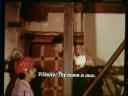
The image shows a group of people standing in a room with wooden beams and a patterned wall. One person is wearing a red hat, another is holding a broom, and there is a visible staircase. The setting appears to be rustic, possibly in a rural or old-fashioned area. The text in the image reads: "Villainy! Thy name is man."
The image shows a group of people in a room with wooden walls and a staircase. The room has a rustic, traditional design, with visible wooden beams and a wooden door. The people appear to be engaged in conversation or activity, and one person is wearing a bright yellow garment. The setting suggests a rural or traditional environment, possibly in a village or countryside.
The image shows a traditional architectural structure with ornate wooden pillars and a balcony. A person dressed in a purple robe stands on the steps, holding a yellow object. The building has a distinct East Asian style, with intricate carvings and a tiled roof. The setting appears to be a historical or cultural site, possibly in a region known for such architecture.
The image shows a dimly lit interior with intricate wooden carvings and latticework. The walls are adorned with detailed patterns, and there is a large, ornate lamp hanging from the ceiling. The lighting creates shadows, giving the space a mysterious and historical ambiance. The setting appears to be a traditional or cultural location, possibly in a region known for its craftsmanship and architectural heritage.
The image shows a person standing on a balcony with ornate wooden columns. The individual is dressed in traditional attire, with a colorful shawl draped over their shoulders. Another person, wearing a turban, is visible in the foreground, partially obscured by the columns. The setting appears to be a historical or culturally significant location, possibly in a region with a rich architectural heritage.
The image shows two individuals walking on a grassy area surrounded by trees. One person is wearing a red headscarf and a colorful skirt, while the other is dressed in darker clothing. The setting appears to be a park or a natural outdoor area with ample greenery. The scene suggests a warm climate, possibly in a region with a temperate or tropical environment.
The image shows a muddy area with water puddles reflecting light. There is a tree trunk visible in the background, and the ground appears wet and uneven. The text in the image reads, "Roguey! Thy name is man."
The image shows a person wearing traditional clothing, including a long-sleeved shirt and a skirt. They are holding a red object in their hand, possibly a flower or a small item. The person is standing outdoors, surrounded by greenery, which suggests a rural or natural setting. The text in the image reads, "Rogerery! Thy name is man."
The image shows a person standing outdoors in a natural setting, surrounded by trees and greenery. The person appears to be engaged in an activity, possibly swinging or gesturing. The text in the image reads, "Roguey! Thy name is man."
The image shows two individuals engaged in a conversation. One person is wearing a yellow garment with red accents, while the other is dressed in a purple outfit. They appear to be standing outdoors, surrounded by greenery. The setting suggests a rural or natural environment, possibly in a region where such traditional attire is common.
The image shows a person standing in front of a traditional building with intricate wooden carvings and a large entrance. The structure appears to be of cultural or historical significance, possibly from a region with a rich architectural heritage. The person is wearing a yellow garment, and the setting suggests a warm climate.
The image shows a person in a dark environment, possibly indoors, wearing a yellow garment with a red trim. The person appears to be gesturing or moving, with one arm extended outward. The background is dimly lit, with some visible structures or objects, but details are unclear. The setting seems to be a room with wooden or stone walls.
The image shows a person dressed in traditional attire, standing near a structure with pillars and a raised platform. The surroundings appear to be a historical or cultural site, possibly a temple or a ceremonial area. The ground is paved, and there is a circular stone structure in the foreground. The lighting suggests it is nighttime.
The image shows a blurred scene with a person wearing a red garment, possibly a dress or a scarf, in motion. The background appears to be dark, and the focus is on the person's hand and part of their body. The scene seems to be indoors, possibly in a dimly lit room.
The image shows a person in a yellow and black outfit, sitting on the ground with their back slightly arched. The person appears to be holding something in their hands, possibly a small object or tool. The ground is light-colored, and the person is surrounded by a few scattered items. The scene seems to be indoors, with a plain background. The person's posture suggests they might be engaged in some activity or resting.
The image shows two individuals walking together in what appears to be a traditional setting. The person on the left is wearing a yellow top and a dark skirt, while the person on the right is dressed in a purple outfit with a red turban. The background features architectural elements such as pillars and a wooden door, suggesting a cultural or historical location. The text in the image reads, "Why does it still stink? Rangle..."
The image shows two individuals walking on a street. One person is wearing a red turban and traditional attire, while the other is dressed in a yellow and black outfit. The background appears to be a building with wooden doors and windows. The text in the image reads, "Listen to the good news the elder queen is pregnant."
The image shows a group of people standing together outdoors, wearing long black garments with red accents. They appear to be engaged in a conversation or activity, with some individuals holding their hands up or gesturing. The setting is a grassy area with a dirt path leading away into the distance. The group is positioned near the edge of the path, and the surrounding environment suggests a rural or natural location.
The image shows a group of people gathered outdoors during a sunset. The sky is painted in hues of pink and orange, with the sun low on the horizon. The group appears to be engaged in a conversation or activity, with some individuals sitting on the ground and others standing. The landscape is flat, with a few trees visible in the background. The setting suggests a rural or natural environment, possibly in a region with open fields or plains.
The image shows a group of people gathered closely together, with some individuals wearing dark clothing and one person in a red garment with a striped pattern. The scene appears to be outdoors, with a stone wall and some vegetation visible in the background. The people seem to be engaged in a conversation or activity, with their hands raised and interacting with each other.
The image shows a group of people standing in a row, silhouetted against a sunset. They appear to be in an open area with a tree on the left side. The sky is a gradient of warm colors, suggesting it is either sunrise or sunset. The terrain appears to be flat and natural, possibly a savannah or plain.
The image shows a person sitting on the ground, with their hands resting on a large rock. The person is wearing a dark outfit and has red bangles on their wrists. The setting appears to be indoors, with a rough, earthen floor. The lighting is dim, creating a warm and subdued atmosphere. The person seems to be engaged in a quiet, reflective activity. The geographic location appears to be rural or traditional, possibly in a region where such attire and settings are common.
Song: "Aansu na.."
The image shows a large tree with dense foliage in the foreground, silhouetted against a dusky sky. In the background, there are a few people standing near what appears to be a structure or vehicle. The setting seems to be an open area, possibly a rural or semi-rural location. The lighting suggests it is either early morning or late evening.
The image shows a close-up of a person's face, with visible signs of dirt or wear on their skin. The lighting is dim, and the person appears to be outdoors, possibly in a rural or rugged environment. The text in the image reads, "Where did the beloved depart?"
The image shows two individuals sitting closely together in a dimly lit environment. One person is wearing a headband, and the other appears to be leaning on them. The background suggests a rustic or rural setting, possibly with stone walls. The lighting is warm and subdued, creating a cozy atmosphere.
The image shows a group of people gathered around a large tree in a dimly lit environment. Some individuals are seated on the ground, while others appear to be standing or leaning against the tree. The scene is set in what seems to be a natural outdoor setting, possibly in a forest or a wooded area. The lighting suggests it is nighttime or a dark environment.
The image shows a man wearing a white turban and traditional clothing, sitting by a fire in what appears to be a rustic setting. He is surrounded by other people, some of whom are partially visible. The background features hanging objects that resemble dried goods or food items. The scene suggests a communal gathering, possibly in a rural or traditional setting.
The image shows a group of people sitting in a dimly lit cave, surrounded by rugged rock formations. They appear to be engaged in a gathering or storytelling session, with one person gesturing as if narrating a tale. The setting suggests a remote and possibly arid environment, with the group dressed in traditional attire. The text in the image reads, "The river narrates. Tales of Time."
The image shows a person wearing a white garment, standing barefoot on a rough, uneven surface. They are holding a long-handled tool, likely a broom, and appear to be sweeping the ground. The setting seems to be outdoors, possibly in a rural or semi-urban area, as the ground is unpaved and there are visible shadows cast by the sun. The person's shadow is long, suggesting the sun is low in the sky, possibly during early morning or late afternoon.
The image shows a narrow alleyway with buildings on both sides. A person in traditional attire is walking down the alley, and there are ladders attached to the walls. The surroundings appear to be rustic, with visible wear and tear on the walls and ground. The alley seems to be in a residential area, possibly in a region with a warm climate.
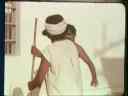
The image shows two individuals walking away from the camera. One person is holding a long stick, and both are dressed in light-colored clothing. The background features a white wall with a small window on the left side. The scene appears to be in a warm, sunny environment, possibly in a rural or semi-urban area.
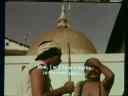
The image shows two individuals standing outdoors, with one holding a long stick. Behind them, there is a large dome-shaped structure, possibly a mosque or a similar building, with a flagpole on top. The sky is clear, and the setting appears to be in a warm climate. The text in the image reads: "Now, I will have to bathe in the river again."
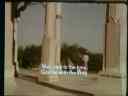
The image shows a person standing in front of a large, ornate structure with columns. The person is wearing a red hat and white clothing, and appears to be looking out into the distance. The setting seems to be outdoors, with trees visible in the background. The architectural style suggests a historical or cultural location, possibly in a region with a warm climate.
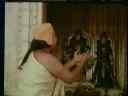
The image shows a person in a white garment with a light orange head covering, standing in front of a wooden backdrop. The person appears to be gesturing or performing an action with their hands. Behind them, there are two statues of figures dressed in elaborate attire, possibly of cultural or religious significance. The setting suggests a place of worship or a ceremonial area. The wooden backdrop and the statues hint at a location in a region where such traditions are prevalent.
The image shows a person dressed in traditional attire, holding a large tray or plate. The person is standing in front of a structure that appears to be a temple or a monument with intricate carvings and a dome-like top. The sky is clear, and the setting seems to be outdoors. The person's attire and the architectural style suggest a location in South Asia, possibly India.
The image shows a group of people standing on a balcony with a stone wall in the background. The individuals are dressed in traditional attire, with some wearing elaborate headpieces and jewelry. The setting appears to be a historical or cultural location, possibly in a region with a rich tradition of craftsmanship and architecture.
The image shows a person holding a large wooden object, possibly a paddle or a paddle-like tool, with several white circular objects attached to it. The person is dressed in traditional attire, and the background features a large stone structure with intricate carvings, suggesting a historical or cultural site. The setting appears to be outdoors, with a clear sky visible.
The image shows a group of people dressed in traditional attire, standing on a balcony or terrace. The setting appears to be a historical or cultural site, possibly in a region with a colonial architectural influence. The individuals are engaged in conversation, and some are holding items like flowers or small objects. The background includes stone walls and decorative elements, suggesting a formal or ceremonial occasion.
The image shows two individuals standing in front of a building with a weathered exterior. One person is holding a broom, and the other is standing nearby. The building appears to be in a rural or semi-urban setting, with visible wear and tear on the walls and doors. The ground is unpaved, and there is a sense of simplicity in the surroundings.
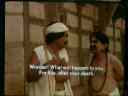
The image shows two individuals standing in front of a stone structure with arches. One person is wearing a white garment and a head covering, holding a stick, while the other is shirtless, wearing a necklace, and appears to be engaged in conversation. The setting suggests a historical or cultural location, possibly in a region with stone architecture. The text in the image reads: "Wonder! What will happen to you. For this, after your death."
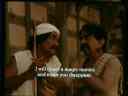
The image shows two individuals engaged in a conversation. One is holding a staff, and both appear to be dressed in traditional attire. The setting seems to be an indoor environment with wooden walls and decorative elements. The text in the image reads, "I will chant a magic mantra and make you disappear."
The image shows a person wearing a red turban and a purple garment, sitting indoors. The background includes a staircase and a wall, suggesting a domestic setting. The person appears to be engaged in a conversation or activity, as indicated by their posture and hand movements. The text in the image reads, "Bad news..."
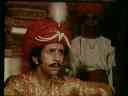
The image shows two individuals dressed in traditional attire. The person in the foreground is wearing a red turban adorned with a white feather and a golden outfit. The background features another individual in a red turban and a white shirt, standing in what appears to be an ornate setting with intricate designs. The scene suggests a cultural or historical context, possibly from a region known for such attire.
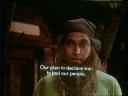
The image shows a person with long hair and a beard, wearing a green shirt and a head covering. The background appears to be a rustic or rural setting, possibly a wooden structure or building. The person seems to be standing outdoors, with natural lighting. The text in the image reads, "Our plan to declare war, to fool our people."
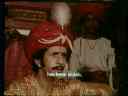
The image shows a man wearing a red turban with a white feather, adorned with jewels, and dressed in a golden outfit. Behind him, another person is visible, wearing a simple white garment and a red turban. The setting appears to be a richly decorated interior, possibly a palace or a grand hall, with ornate wooden panels and intricate designs. The possible geographic location could be in a region known for its historical architecture, such as South Asia or the Middle East. The text in the image reads, "has been stolen."
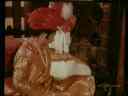
The image shows a person dressed in a richly decorated, golden-colored outfit with intricate patterns, sitting on a plush, red-covered couch. The individual is wearing a large, red turban adorned with decorative elements. Behind the person, there is a wooden structure with ornate carvings, and a white figure in traditional attire is partially visible. The setting appears to be a traditional or historical location, possibly in a region known for its cultural heritage.
The image shows two individuals dressed in traditional attire, with one wearing a richly decorated robe and a turban adorned with a feather. The other person is wearing a purple outfit with a sash and a turban. The background features ornate architectural elements, including pillars and decorative carvings, suggesting a historical or cultural setting. The scene appears to be set in a palace or a grand hall.
The image shows a person wearing traditional attire, including a turban and a light-colored garment. The background features wooden structures and a door, suggesting an indoor setting. The person appears to be standing in a room with a rustic or historical ambiance. The geographic location seems to be a region with a traditional or historical cultural influence, possibly in South Asia or the Middle East.
The image shows a traditional wooden room with intricate carvings and decorations. There is a central wooden structure with a circular base, possibly a bed or a table, surrounded by wooden pillars. The walls have a mix of wooden panels and decorative elements, and there are visible patterns and designs. The room appears to have a rustic and historical aesthetic, possibly indicative of an East Asian or traditional setting. The text in the image reads, "You impudent idiots drowned yourselves in puddles."
The image shows a rustic wooden interior with a window or door frame in the center. There are several metallic pots or vessels lined up on a shelf, and a decorative plate is visible on the left side. The setting appears to be a traditional or historical room, possibly in a rural or old-fashioned house. The text in the image reads: "You impudent idiot drowned yourself in puddle."
The image shows a person sitting on a swing chair in a room with wooden walls and intricate carvings. The room has a traditional aesthetic, with a patterned cushion on the chair and a decorative ceiling. The person is dressed in traditional attire, and the setting appears to be a cultural or historical location. The text in the image reads, "You impolente! Idiots drowned yourself in puddle."
The image shows a person wearing a light-colored outfit, possibly a traditional or cultural attire, with a head covering. The individual appears to be engaged in an activity, possibly dancing or performing, as their posture and movements suggest motion. The background includes wooden structures and a window with a curtain, hinting at a domestic or indoor setting. The scene seems to be in a region where such attire is common, possibly in a South Asian or Middle Eastern context.
The image shows a traditional Japanese setting with wooden architecture and sliding doors. The scene includes a person sitting on a cushioned seat, surrounded by intricate wooden carvings and decorations. The room has a rustic, historical ambiance, with visible elements like a wooden frame and a hanging scroll.
The image shows a person wearing a red garment with gold trim, standing in front of a wall adorned with decorative circular items. The wall has a mix of light and dark sections, and there are hanging ornaments visible. The person appears to be in a traditional setting, possibly in a shop or a cultural display area. The possible geographic location could be a region in South Asia, such as India or Nepal, based on the attire and decor.

The image shows a person dressed in traditional attire, including a turban and a long-sleeved garment. The individual appears to be gesturing with one hand raised, possibly in a conversational or expressive manner. The background includes a wooden structure with a lattice design and a wall with a rectangular panel. The setting suggests a cultural or historical context, possibly in a region with a warm climate.
The image shows a traditional wooden interior with intricate carvings on the walls and ceiling. A person is seated on a swing, dressed in a colorful traditional outfit, while another person is standing nearby, partially visible. The setting appears to be a cultural or ceremonial space, possibly in a region known for such architecture. The text in the image reads: "You coward you remained silent spectators."
The image shows a person standing in a room with wooden furniture and intricate designs. The person is wearing traditional attire, including a yellow blouse and a skirt, with jewelry such as earrings and a necklace. The room has a warm, earthy tone with decorative elements like a patterned cloth and a wooden frame. The setting appears to be a traditional or cultural space, possibly in a region known for such designs.
The image shows a person wearing a traditional red turban adorned with intricate patterns and a decorative tassel. The individual is dressed in a beige garment with a layered necklace, and there is a wooden structure with a curved design in the background. The setting appears to be indoors, with a rustic and traditional aesthetic. The person seems to be in a culturally significant or historical context, possibly in a region known for such attire.
The image shows a person wearing a red and white patterned headwrap, standing indoors. The background includes a wooden door frame and a wall with a horizontal wooden beam. There is a decorative object on the left side, possibly a traditional item, with a small figurine and a hanging ornament. The setting appears to be a rustic or traditional indoor space, possibly in a rural or culturally significant location.
The image shows a person dressed in ornate, golden attire, seated on a cushioned chair. The setting appears to be a traditional room with wooden walls and decorative elements, such as a hanging lamp and wall hangings. The person is gesturing with one hand while sitting. The text in the image reads, "Our enemy does not consult us before attacking."
The image shows two individuals engaged in a conversation. One is seated on a richly decorated couch, wearing a shimmering red outfit, while the other is seated on the floor, dressed in white with a red turban. The setting appears to be a traditional indoor space, with ornate wooden furniture and a red fabric backdrop. The possible geographic location could be a region with a historical influence of South Asia or the Middle East, based on the attire and decor.
The image shows a narrow alleyway with stone-paved ground, flanked by tall, whitewashed walls. A person wearing a white headband is leaning against one of the walls, while another person walks away in the distance. The alley appears to be in a warm climate, possibly in a historic or traditional urban setting.
The image shows two individuals in what appears to be a rustic or ancient setting. One person is standing, wearing a white garment, while the other is seated, leaning forward. The background consists of rough, earthen walls, suggesting a historical or rural environment. The scene appears to be indoors, with a wooden structure visible in the background.
The image shows a person wearing a white garment and a head covering, holding a clay pot. The background appears to be a rustic, earthen wall, possibly indicative of a rural or traditional setting. The person seems to be engaged in a task involving the clay pot, possibly related to daily life or work.
The image shows a person seated in a richly decorated room, wearing traditional attire. The background features intricate patterns and ornate decor, suggesting a setting of cultural or historical significance. The text in the image reads, "The soldiers have assembled my lord."
The image shows a person wearing a red patterned turban and a cream-colored shirt. The background features wooden structures and a decorative arch, suggesting a traditional or cultural setting. The person appears to be indoors, possibly in a historical or culturally significant location.
The image shows a person dressed in ornate, traditional attire, sitting on a bed with a richly decorated headboard. The room has a warm, earthy tone, and the bedspread appears to be intricately patterned. The person is adorned with jewelry, including a necklace and earrings, and there is a decorative tapestry hanging on the wall behind them. The setting suggests a cultural or historical context, possibly from a region known for its rich heritage and craftsmanship.
The image shows a person standing on a sandy surface, wearing white pants and brown shoes. The person is holding a stick or cane in their right hand. The ground appears dry and barren, with scattered small rocks and patches of dirt. The scene suggests a rural or desert-like environment.
The image shows a group of individuals wearing traditional attire, including white garments and red turbans. They appear to be gathered in a courtyard or open area, with some standing and others seated. The setting suggests a rural or cultural environment, possibly in a region where such attire is common. The background includes a flagpole with a yellow flag, and the ground appears to be dusty or dry.
The image shows a group of individuals dressed in traditional attire, with white garments and red sashes. One person in the foreground is holding a scroll or document and appears to be engaged in a conversation or discussion. The setting seems to be outdoors, possibly in a rural or historical area. The attire and setting suggest a cultural or historical context, possibly in a region with a warm climate.
The image shows a group of individuals dressed in traditional attire, with white garments and colorful turbans. They appear to be gathered in a courtyard or open area, possibly engaged in a communal activity or ceremony. The setting suggests a warm climate, as the individuals are wearing lightweight clothing. The architectural style hints at a location in South Asia, such as India or Pakistan.
The image shows a person wearing a white garment and a red head covering, standing next to a large, circular, woven object with a handle. Behind them, there is a tall, metallic structure with a conical top, resembling a traditional bell or gong. The scene appears to be set in a dimly lit environment, possibly outdoors. The person seems to be interacting with the object, possibly preparing to strike it. The setting suggests a cultural or traditional event, possibly in a rural or village area.
The image shows a person dressed in traditional attire, possibly a performer or a participant in a cultural event. The individual is adorned with colorful beads and appears to be engaged in a performance or ritual. The setting seems to be outdoors, possibly in a courtyard or a public space, with a drum visible in the background. The lighting suggests it is nighttime.
The image shows a person standing on a balcony with ornate wooden railings and intricate carvings. The individual is wearing a traditional outfit, including a red turban, and appears to be in a historical or cultural setting. The background features arched doorways and wooden structures, suggesting a traditional architectural style. The setting appears to be in a region with a rich cultural heritage, possibly in South Asia or the Middle East.
The image shows a person standing in front of an ornate wooden structure with intricate carvings. The person is wearing a colorful traditional outfit, including a headpiece, and appears to be leaning on a railing. The background suggests a historical or cultural setting, possibly in a region known for its wooden architecture.
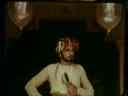
The image shows a person wearing traditional attire, including a white garment and a decorative headpiece. The individual is holding a curved object, possibly a weapon or tool, and is standing in front of a dark background with two hanging lamps above. The setting appears to be indoors, with a rustic or historical ambiance. The person's attire and surroundings suggest a possible cultural or historical context, potentially in a region known for such traditional dress.
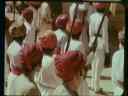
The image shows a group of people dressed in traditional attire, with red turbans and white clothing. They appear to be gathered in a courtyard or open area, with some holding long objects that resemble rifles. The setting suggests a cultural or ceremonial gathering, possibly in a region with a warm climate.
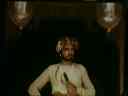
The image shows a person wearing a traditional outfit, sitting in front of a dark background with two hanging glass lamps. The person is holding a green object, possibly a leaf or a small plant, in their hand. The setting appears to be indoors, with a wooden structure visible in the background. The person's attire suggests a cultural or regional significance, possibly from a South Asian or Middle Eastern region.
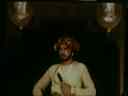
The image shows a person wearing a traditional headpiece and a light-colored garment, sitting in a dimly lit room. The background features two large, ornate glass lamps, and the person appears to be holding a small object in their hand. The setting suggests a cultural or historical context, possibly in a region known for such attire and decor.
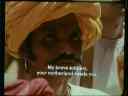
The image shows a person wearing a yellow turban, with a serious expression on their face. They appear to be part of a group, as other individuals are visible in the background. The setting seems to be outdoors, possibly in a rural or traditional area. The person's attire and the turban suggest a cultural or regional identity, possibly from a South Asian or Middle Eastern region. The text in the image reads: "My brave soldiers, your motherland needs you."
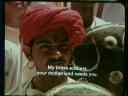
The image shows a person wearing a red turban and traditional attire, standing in what appears to be a group of people. The person is holding a shield, and the background suggests a setting with cultural or historical significance. The text in the image reads, "My brave soldiers, your motherland needs you."
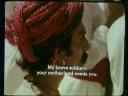
The image shows a person wearing a red turban and hoop earrings, with a beard and mustache. The background appears to be a crowd of people, possibly in a desert or arid region. The text in the image reads: "My brave soldiers, your motherland needs you."
The image shows a person wearing a traditional head covering, seated indoors. The background includes two hanging light fixtures and a dark wall. The person appears to be dressed in a light-colored garment. The setting suggests a formal or traditional environment, possibly in a Middle Eastern or similar cultural region.
The image shows a person wearing a traditional outfit, including a turban and a long-sleeved shirt. The individual is seated indoors, holding a curved object that appears to be a dagger or a ceremonial knife. The background features two large, ornate lamps hanging from the ceiling, and the setting appears to be a dimly lit room with a stone or brick wall. The person's attire and surroundings suggest a cultural or historical context, possibly in a region with a rich tradition of such clothing and decor.
The image shows two individuals wearing traditional attire, including turbans, with one person in a red and yellow patterned turban and the other in a plain red turban. The setting appears to be outdoors, possibly in a rural or village area. The text in the image reads, "Be brave! Get slaughtered fighting the enemy."
The image shows a person wearing a bright pink turban and a light-colored shirt, standing outdoors with greenery in the background. The person appears to be holding a flagpole with a yellow flag. The setting seems to be in a rural or semi-urban area, possibly in a region with warm weather. The text in the image reads: "Be brave! Get slaughtered lighting the enemy."
The image shows a person wearing a red patterned headscarf and a light-colored shirt. They are standing outdoors, surrounded by green foliage. The person appears to be holding something in their hands, possibly a tool or plant. The background consists of dense vegetation, suggesting a rural or agricultural setting.
The image shows a group of individuals wearing traditional attire, including turbans and white garments. The setting appears to be outdoors, with wooden structures visible in the background. The individuals seem to be engaged in a communal activity, possibly a gathering or event. The geographic location appears to be in a region where such traditional clothing is common, possibly in South Asia or the Middle East.
The image shows a person wearing traditional attire, seated in front of a stone wall with two hanging glass containers. The person is holding a small object in their hand, and the setting appears to be indoors. The lighting is dim, creating a warm and subdued atmosphere. The possible geographic location could be a region with a historical or cultural significance, possibly in South Asia or the Middle East. The text in the image reads, "Drench the soil with your blood."
The image shows a person dressed in traditional attire, wearing a red turban with a white feather and gold-patterned clothing. The individual appears to be leaning on a wooden railing, with their hand resting on their head. The background includes ornate wooden structures, suggesting a setting of historical or cultural significance. The text in the image reads, "Protect your motherland!"
The image shows a person wearing a traditional red and white turban, sitting in front of a stone wall with two hanging glass lamps. The person is holding a knife in their hand and appears to be dressed in a light-colored garment. The setting suggests a rustic or traditional environment, possibly in a region where such attire is common.
The image shows a person dressed in traditional attire, sitting in a dimly lit room with ornate wall decorations and hanging lamps. The individual is holding a ceremonial object, possibly a dagger or ceremonial knife, and is wearing a headpiece adorned with intricate designs. The setting appears to be historical or cultural, likely from a region with a rich tradition of craftsmanship and ceremonial practices. The text in the image reads, "Lay down your lives. Be victorious."
The image shows a person wearing a turban, holding a staff or stick, and dressed in traditional attire. The background includes other individuals in similar clothing, suggesting a communal or ceremonial gathering. The setting appears to be outdoors, possibly in a rural or culturally significant area. The text visible in the image reads, "Victory to our king."
The image shows a person dressed in traditional attire, wearing a red turban with a white feather and gold-patterned clothing. The individual is standing on a balcony or platform, waving with one hand while leaning on a wooden railing. The background features ornate architectural details, suggesting a historical or cultural setting. The scene appears to be from a region with a rich tradition of royal or ceremonial dress, possibly in South Asia.
The image shows a person wearing a red turban and a white cloth draped over their body. They are standing indoors, with one arm raised and the other resting on a surface. The background includes a window with a grid pattern and a wall with a mix of white and brown sections. The person appears to be engaged in some form of activity or ritual.
The image shows a person dressed in elaborate, golden attire, adorned with intricate headgear. The setting appears to be a dimly lit, ornate interior, possibly a palace or a grand hall. The architecture features wooden beams and decorative carvings, suggesting a historical or cultural significance. The lighting highlights the golden details of the attire, creating a regal and majestic atmosphere.
The image shows a traditional building with wooden pillars and a dark, open entrance. Two individuals in white clothing are visible, one standing and the other kneeling. The setting appears to be a cultural or ceremonial event, possibly in a temple or shrine. The architecture suggests a location in East Asia, such as Japan or China.
The image shows a person dressed in traditional attire, including a red garment and ornate jewelry. The background features a wooden structure with decorative circular patterns and hanging chains. The setting appears to be indoors, possibly in a cultural or historical location.
The image shows a person wearing a white garment, standing in a room with a checkered floor. The room has wooden shelves and a large metallic urn on the floor. There is a decorative cloth hanging above a doorway. The setting appears to be a traditional or cultural space, possibly in a region with a warm climate.
The image shows a person wearing a red turban, standing in front of a wooden door adorned with intricate carvings. The person is holding their hands up to their face, possibly in a gesture of surprise or excitement. The background includes a decorative wall hanging and a window with a curtain. The text in the image reads, "We were waiting for you."
The image shows a person wearing a red turban and a white garment, standing in front of a wooden door with metal hinges. The person appears to be in a traditional setting, possibly in a temple or a historical location. The text in the image reads, "I am honoured."
The image shows two individuals dressed in traditional attire, with one person wearing a red garment and the other in a cream-colored outfit. The setting appears to be indoors, with wooden structures and decorative elements visible in the background. The scene suggests a formal or ceremonial context. The text in the image reads, "You know the elder queen is going to beget a prince."
The image shows a person wearing a red garment, possibly a traditional outfit, with a visible headscarf. The background includes a wooden structure, possibly a wall or a partition, and a white object that appears to be a part of the scene. The setting seems to be indoors, possibly in a cultural or traditional environment.
The image shows a person seated in a richly decorated room, adorned with intricate patterns and traditional designs. The person is wearing a red garment with gold accents, and their surroundings include ornate furniture and decorative elements. The setting appears to be a culturally significant or historical location, possibly in a region known for its traditional architecture and craftsmanship.
The image shows a traditional indoor setting with wooden walls and a ceiling adorned with intricate designs. A woman dressed in a vibrant red and gold outfit is seated on a cushion, while two men stand nearby. One man is dressed in white with a red turban, and the other man is wearing a white garment with a red sash. The room has a warm and regal atmosphere, with decorative elements visible in the background. The text in the image reads: "You agree that only this queen is fit to be the queen mother."
The image shows a person wearing traditional attire, including a turban, standing indoors. The setting appears to be a room with wooden walls and decorative elements, possibly indicative of a historical or cultural location. The person is gesturing with one hand while the other rests on their side. The text in the image reads, "That diseases and enemies should be ripped in the bud?"
The image shows a person wearing a red turban and a white garment, standing in front of a wooden door with a decorative hanging on the left side. The person appears to be smiling or laughing. The text in the image reads, "But now? It is the will of God."
The image shows a man and a woman in traditional attire, seated in what appears to be a richly decorated room. The man is wearing a turban and holding a staff, while the woman is dressed in a red outfit with gold accents. The room has ornate furnishings, including a mirror and decorative items on the walls. The text in the image reads: "You are his agent here. Isn't your will, the will of God?"
The image shows a man in traditional attire, seated in what appears to be a richly decorated room with ornate wooden panels and intricate designs. Another man, dressed in a turban, is visible in a mirror, suggesting a setting that reflects cultural or historical significance. The room has a warm, earthy tone, and the mirror adds a reflective element to the scene. The possible geographic location could be a region with a strong tradition of craftsmanship and cultural heritage, such as South Asia or the Middle East.
The image shows three individuals seated in a traditional setting. Two men, dressed in white and wearing turbans, are engaged in a conversation, while a woman in a vibrant red outfit sits between them. The room is adorned with ornate decorations, including a large drum and candelabras. The text in the image reads, "There should be no mistake."
The image shows a person lying on a colorful, patterned surface, possibly a bed or a couch, with a decorative mirror in front of them. The person appears to be holding the mirror, and their surroundings suggest a warm, possibly Middle Eastern or South Asian setting, with intricate designs and patterns visible. The text in the image reads: "My lord, since all young men have gone to war..."
The image shows two individuals in a room with wooden walls and a red door. One person is holding a bowl, while the other appears to be leaning in close to them. The setting suggests a traditional or rural environment. The text in the image reads, "What's the world come to? God help us."
The image shows a person behind bars, wearing a white garment and a necklace. The bars are metallic and appear to be part of a prison cell. The lighting is dim, and the background is blurred, making it difficult to determine the exact location. The text in the image reads, "Victory to the king."
The image shows a person with curly hair wearing a yellow garment, sitting indoors. The background includes a wall with a red stripe and a window with a dark frame. The person appears to be holding a small object, possibly a container or a cup. The setting seems to be a modest room, possibly in a residential or small commercial building. The lighting is dim, suggesting an indoor environment.
The image shows a person wearing a white garment with red accents, possibly a robe or ceremonial attire. The background appears to be blurred, but it seems to be indoors, possibly in a formal setting. The text in the image reads, "You have won the war."
The image shows a person wearing a red shirt with a white design on it. The person appears to be indoors, with a dark background. The lighting is warm, and the person seems to be in a relaxed or casual posture. The possible geographic location is not clear, but the setting suggests it could be a casual or informal environment.

The image shows a person wearing a white shirt and a red head covering, holding a spoon in one hand and a small object in the other. The background includes a red wall with a shelf that has metallic containers and a wooden frame. The setting appears to be indoors, possibly in a kitchen or dining area. The person seems to be engaged in a task, possibly eating or preparing food.
The image shows a person wearing a red outfit with white accents, standing in front of a dark background. The person has their hands raised, and there is a bright, fluffy object above their head. The setting appears to be indoors, possibly in a performance or theatrical environment.
The image shows a group of people dressed in white garments, walking in a procession. They appear to be carrying a pole or staff, and some are holding items in their hands. The setting seems to be outdoors, possibly in a rural or village area. The ground appears to be dirt or soil.
The image shows a group of individuals standing together in what appears to be a traditional setting. The background features wooden structures with intricate carvings, suggesting a cultural or historical significance. The individuals are dressed in light-colored clothing, and one person is wearing a red turban. The scene seems to be indoors, with a focus on the wooden architecture and the people gathered together.
The image shows a group of individuals dressed in traditional attire, standing in front of a building with intricate wooden architecture. The building has a series of pillars and a large doorway, with a few people standing or sitting nearby. The scene appears to be in a rural or historical setting, possibly in a region with a strong cultural heritage.
The image shows a group of individuals dressed in traditional attire, with some wearing turbans and others adorned with jewelry. The setting appears to be indoors, with ornate wooden doors and a decorative backdrop. The individuals are gathered in a circle, with one person standing slightly apart, facing the group. The atmosphere suggests a formal or ceremonial gathering. The possible geographic location could be in a region with a rich cultural heritage, such as India or a neighboring area.
The image shows two individuals dressed in traditional attire. One person is wearing a red garment with a decorative belt, while the other is wearing a white outfit with a red headscarf. The person in white appears to be kneeling or bowing slightly. The setting suggests a formal or ceremonial occasion. The text in the image reads, "We offer the king this enemy territory."
The image shows a person dressed in a red outfit with a white belt, holding a large object that appears to be a loaf of bread or a similar item. The background features a wooden door with intricate carvings, suggesting a traditional or historical setting. The text in the image reads, "Drenched with the blood of thousands of brave soldiers."
The image shows a person dressed in a vibrant red outfit with a matching turban adorned with a decorative feather. The individual is standing in front of a richly decorated background, which appears to be a traditional or historical setting. The person is holding a staff or weapon in one hand, and their posture suggests confidence or authority. The text in the image reads, "Drenched with the blood of thousands of brave soldiers." The setting appears to be in a region with historical or cultural significance, possibly in a South Asian or Middle Eastern context, based on the attire and architecture.
The image depicts a group of individuals in a traditional setting, with one person seated on a raised platform, surrounded by others who appear to be engaged in conversation or listening attentively. The room has wooden paneling and a decorative ceiling, suggesting a historical or cultural context. The attire of the individuals, including turbans and traditional garments, hints at a South Asian or Middle Eastern origin. The text visible in the image is in Hindi, with phrases such as "हमारी जीत" (Our Victory) and "हमारी जीत है" (Our Victory).
The image shows a group of individuals dressed in traditional attire, with one person wearing a red hat and another in a purple outfit adorned with intricate patterns. The setting appears to be indoors, with a warm and vibrant atmosphere. The individuals seem to be engaged in a social or cultural activity. The possible geographic location could be a region with a rich tradition of colorful clothing and cultural gatherings.
The image shows a group of individuals dressed in traditional attire, seated in a circular arrangement. The central figure is standing and appears to be addressing the group. The setting suggests a formal gathering, possibly in a cultural or ceremonial context. The attire and setting hint at a location in South Asia, such as India or Nepal.
The image depicts a group of individuals dressed in traditional attire, seated and standing in what appears to be a historical or cultural setting. The setting includes wooden structures and ornate decorations, suggesting a place of significance or authority. The individuals are engaged in a discussion or meeting, with one person seated on a raised platform and others standing around. The attire and setting suggest a possible geographic location in South Asia, such as India or Rajasthan.

The image shows a patterned fabric with intricate designs, possibly a textile or tapestry. A person is partially visible, wearing a garment with a visible design. The setting appears to be indoors, with a focus on the fabric and the person. The text in the image reads, "The prince is failed to bring death to the king." The geographic location is not clearly discernible, but the setting suggests it could be a region with rich textile traditions, possibly in Asia or the Middle East.
The image shows a person wearing a red turban with gold accents, adorned with a pearl necklace and earrings. The background includes a patterned fabric, possibly a curtain or a decorative cloth. The person appears to be dressed in traditional attire, suggesting a cultural or regional setting. The possible geographic location could be in a region where such attire is common, such as South Asia or the Middle East.
The image shows a person wearing a red turban adorned with a white feather and a decorative white chain. The person is dressed in traditional attire, including a red garment with intricate patterns and a necklace. The background features a wooden bed frame and a wall with a decorative design. The setting appears to be indoors, possibly in a historical or cultural location.
The image shows a person wearing traditional attire, including a red and gold headpiece and a white garment. Another person is seen in the background, wearing similar traditional clothing. The setting appears to be indoors, with a warm and culturally rich atmosphere. The text in the image reads, "Either he lives or you live."
The image shows a person wearing a red turban adorned with a white feather and a decorative piece. They are dressed in traditional attire, including a red garment with intricate patterns and a necklace. The background features a wooden bed frame and a wall with a decorative design. The setting appears to be indoors, possibly in a traditional or historical location.
The image shows two individuals dressed in traditional attire, with one person pointing outward while the other looks on attentively. The setting appears to be a historical or cultural location, possibly a palace or a fort, with wooden beams and a stone wall in the background. The attire and architecture suggest a location in South Asia, possibly India. The text in the image reads, "We cannot forgo the king's life the kingdom depends on him."
The image shows a person wearing a red outfit with intricate designs and a decorative headpiece featuring a feather. The background includes a wooden structure, possibly a bed frame, and a wall with a decorative pattern. The setting appears to be indoors, with a warm and traditional aesthetic. The person's attire suggests a cultural or regional significance, possibly from a South Asian or Middle Eastern region.
The image depicts a group of individuals gathered in a traditional setting, with a central figure seated on a raised platform. The individuals are dressed in traditional attire, with some wearing turbans and others in robes. The setting appears to be indoors, with wooden structures and a decorative backdrop. The scene suggests a formal or ceremonial gathering. The geographic location appears to be in a region with a historical or cultural heritage, possibly in South Asia or the Middle East.
The image shows a person dressed in traditional attire, wearing a red outfit with intricate designs and a decorative headpiece. The person is seated on a bed with a wooden headboard, and there is a piece of furniture in the background. The setting appears to be indoors, possibly in a bedroom or a similar space. The person is holding something in their hand, and there is a visible bedspread or blanket.
The image shows a traditional indoor setting with wooden beams and a ceiling adorned with hanging decorations. The room has a warm, earthy tone, with a patterned carpet on the floor and a few individuals dressed in traditional attire. The walls are decorated with textiles and possibly wooden carvings. The scene appears to be a cultural or historical setting, possibly in a region known for such architecture.
The image shows two individuals dressed in traditional attire, standing guard at the entrance of a building. They are positioned symmetrically on either side of the doorway, holding weapons. The structure features ornate wooden pillars and a decorative entrance, suggesting a historical or cultural significance. The setting appears to be in a region with a warm climate, possibly in South Asia or the Middle East.
The image shows three individuals in traditional attire, with one person holding a weapon. The setting appears to be indoors, with wooden structures and a warm lighting ambiance. The individuals are wearing turbans and seem to be engaged in a conversation or interaction. The possible geographic location could be a region with a historical or cultural heritage, such as India or a similar region.
The image shows two individuals wearing traditional red turbans, standing indoors near a wooden structure. One person is holding a vibrant purple fabric with golden patterns. The setting appears to be a rustic or traditional interior, possibly in a rural or historical area.
The image shows a person wearing a red sweater with a visible patch on the chest. The person is holding something in their hands, and there is a visible white and patterned object on their lap. The background appears to be indoors, possibly in a residential setting. The person is seated, and the lighting suggests a cozy, indoor environment.
Two individuals are seated by a riverbank, dressed in traditional attire. The man wears a red turban and a cream-colored outfit, while the woman is wearing a red headscarf and a beige dress. The setting appears to be rural, with dry grass and a calm river in the background. The text in the image reads, "How do I know?"
The image shows two individuals dressed in traditional attire, with one wearing a red turban and the other a red head covering. They appear to be engaged in a conversation or interaction, with one person holding a red object. The background suggests an outdoor setting with a clear sky and some vegetation visible. The geographic location seems to be a rural or semi-rural area, possibly in a region where such traditional clothing is common.
Two individuals are walking along a riverbank. One is carrying a wooden box, while the other is dressed in traditional attire with a red head covering. The landscape features a calm river, grassy banks, and distant hills. The scene appears to be set in a rural or semi-rural area, possibly in a region with a warm climate.
Song: Nadi behti jai (Khar Khar behti refrain)
The image shows a group of people gathered in a dimly lit area, possibly a cave or an underground space. The individuals appear to be engaged in a serious conversation or activity. The setting suggests a rugged and natural environment, with rough walls and minimal lighting. The text visible in the image reads: "Some die to save a life and some deal in death."
The image shows a person standing in shallow water, holding a rectangular object that appears to be a wooden box. The water is calm, and the person is partially submerged, with the lower part of their body visible. The background is hazy, and the scene seems to be near a shoreline or beach. The person is facing away from the camera, and the water appears to be a mix of sandy and rocky textures.
The image shows a group of people standing under a thatched roof, with greenery visible in the background. The group appears to be engaged in a conversation or gathering. The text in the image reads, "You are lucky to be a mother without pain."
The image shows a woman dressed in traditional attire, sitting in a dimly lit room. She is holding a baby wrapped in a red blanket with white polka dots. The walls appear to be rough and worn, suggesting a modest setting. The woman's clothing and the environment suggest a rural or traditional area, possibly in South Asia.
The image shows a group of people standing together under a thatched roof, with a natural setting in the background. The group appears to be diverse in age and gender, and they are dressed in traditional attire. The setting suggests a rural or village environment, possibly in a tropical or subtropical region. The text in the image reads, "And a father without effort."
The image shows a man sitting on the ground, leaning against a wall, with a woman seated nearby. The man appears to be shirtless, wrapped in a cloth, and has a contemplative expression. The woman is wearing a red garment with gold accents, and she seems to be engaged in a conversation or activity with the man. The setting appears to be a modest, possibly rural, environment with rough walls and minimal furnishings. The lighting is dim, suggesting an indoor or shaded area. The text in the image reads, "And a father without effort."
The image shows a group of people standing together under a thatched roof, with a natural setting visible in the background. The individuals appear to be engaged in a conversation or interaction, with one person in the foreground wearing a headband and a sleeveless shirt. The setting suggests a rural or traditional environment, possibly in a tropical or subtropical region. The text in the image reads, "We will not let you get away."
The image shows two individuals sitting in a dimly lit room. One person is wearing a red garment with a black headscarf, while the other is dressed in light-colored clothing. The setting appears rustic, with earthen walls and a simple floor. The lighting is soft, and the overall atmosphere suggests a quiet and intimate moment. The text in the image reads, "Have I ever denied you wish?"
The image shows a person standing in front of a plain, textured wall. The individual appears to be wearing a simple garment draped over one shoulder. The setting suggests a rustic or rural environment, possibly in a warm climate. The text in the image reads, "We will celebrate. Inform every body."
The image shows a person standing on a balcony with intricate wooden railings and decorative carvings. The person is wearing traditional attire, including a head covering and a long dress. The balcony appears to be part of a historical or cultural building, possibly in a region with a warm climate. The architectural style suggests a location with a rich heritage, possibly in South Asia or the Middle East.
The image shows two individuals dressed in traditional attire, with one seated and the other standing. The seated person is wearing a red turban and a patterned garment, while the standing person is wearing a red and gold turban and a white garment. The background features ornate decor, including a wooden cabinet and hanging textiles. The text in the image reads, "Open the treasury."
The image shows a traditional indoor setting with wooden furniture and a person in a white garment sitting on a low stool. Another individual, dressed in a red turban and striped attire, is seated nearby, facing the person in white. A third figure, standing in the background, is wearing a red and white outfit. The room has a warm, earthy tone, with visible wooden beams and shelves. The text in the image reads, "We are building a step-well make arrangements."
The image shows a person sitting on a wooden chair, holding a small object in their hand. The person is wearing a red garment and appears to be in a shaded area with a rustic setting. There is a bowl placed on the table in front of them. The surroundings suggest a rural or traditional environment, possibly in a warm climate.
The image shows a person wearing a white sleeveless shirt and a white head covering, standing in front of a rustic structure made of natural materials like wood and straw. The surroundings include a dirt path, some greenery, and a shaded area under the structure. The setting appears rural and possibly tropical, with a warm climate.
The image shows a rural setting with a thatched roof structure in the background. There are three individuals visible, dressed in traditional attire, engaged in a task. One person is standing and appears to be pouring water, while another is seated and observing. A third individual is seated on the ground, possibly resting. The scene is dimly lit, suggesting it might be early morning or late afternoon. The environment appears to be a village, with earthen walls and a rustic atmosphere. The text in the image reads, "To fetch some pure water from the village well."
The image shows a young boy wearing a white headband, standing in a rural outdoor setting. He is looking at a dog in the distance, near a tree and a small hut. The environment appears to be dry and sunny, with sparse vegetation and a dirt ground. The scene suggests a rural or village area, possibly in a tropical or subtropical region.
The image shows a person walking along a dirt path, with a rustic, rural setting in the background. The person is wearing traditional clothing, including a white garment and a head covering. The surroundings include a thatched roof structure, earthen walls, and a tree on the left side. The scene appears to be in a warm, arid region, possibly in a desert or semi-desert area. The text in the image reads, "Be careful."
The image shows a person crouching in a natural outdoor setting, surrounded by dense vegetation. The individual appears to be engaged in an activity, possibly digging or examining something on the ground. The area is lush with greenery, and the scene suggests a rural or wilderness environment. The person is wearing a hat and a sleeveless shirt, which might indicate a warm climate. The vegetation is thick, with tall grasses and shrubs dominating the landscape.
The image shows a person standing near a large tree with thick roots, holding a container in their hand. The surroundings appear to be a dry, rural area with a dirt path and sparse vegetation. The person is wearing a cloth wrapped around their body.
The image shows a person kneeling near a circular hole in the ground, possibly a well or a pit. The surrounding area appears to be a dry, rocky terrain with hills in the background. Another person is visible in the distance, standing on the ground. The environment suggests a rural or remote location.
The image shows a person walking along a dirt path in a rugged, mountainous area. The terrain is dry and rocky, with steep cliffs on one side and a winding trail ahead. The person is wearing a red head covering and appears to be moving away from the camera. The text in the image reads, "Beet him! He has defiled our well."
I see three individuals dressed in white garments, walking along a dirt path under the shade of a large tree with extensive roots. The setting appears to be rural, with a wall visible in the background and a natural, earthy environment. The individuals seem to be engaged in a casual or leisurely activity.
Song:
The image shows a person wearing a white headwrap and a sleeveless shirt, playing a drum-like instrument. The background includes a red fabric draped overhead, and the setting appears to be indoors. The person seems to be engaged in a musical activity, possibly part of a cultural or traditional event. The environment suggests a warm climate, possibly in a rural or village setting.
The image shows two individuals wearing white headwraps, sitting closely together. One person has their arm around the other, and both appear to be in a dimly lit environment. The background is blurred, but it seems to include other people. The setting appears to be indoors, possibly in a communal or social gathering.
The image shows a group of people wearing red clothing, possibly participating in a cultural or festive event. The scene appears to be indoors, with dim lighting and a warm atmosphere. The individuals seem engaged in a collective activity, possibly dancing or performing.
The image shows a person wearing a white head covering and a sleeveless shirt, holding a traditional musical instrument resembling a drum. The individual appears to be engaged in playing or preparing to play the instrument. In the background, there is another person dressed in red, possibly a woman, who seems to be observing or participating in the activity. The setting appears to be indoors, with a warm and earthy atmosphere. The possible geographic location could be a rural or cultural area where traditional music is practiced.
The image shows a person wearing a white headband and a sleeveless shirt, sitting in what appears to be a dimly lit room. Another person is standing behind them, holding their head gently. The setting suggests a casual or informal environment, possibly in a rural or traditional area. The lighting and attire hint at a warm climate.
The image shows a person wearing a red headscarf and a dark garment with floral patterns. The background is dark, and the person appears to be indoors. The setting suggests a rural or traditional environment, possibly in a region where such attire is common.
The image shows a shirtless man standing in front of a large, red, textured surface that appears to be a wall or a backdrop. The man has a muscular build and is holding his head with both hands. The lighting is dim, creating a shadowy atmosphere. The background seems to be a stone or brick wall, suggesting an indoor or possibly outdoor setting.
The image shows a woman wearing a red garment with intricate patterns, possibly a traditional dress. She appears to be in a crowded setting, with other individuals visible in the background. The scene seems to be indoors, with warm lighting. The woman's attire and the setting suggest a cultural or social gathering, possibly in a region where such garments are common.
The image shows a group of people sitting in a circle, dressed in white clothing, with some wearing head coverings. They appear to be engaged in a communal activity, possibly a gathering or ceremony. The setting seems to be outdoors, as there is natural light and a sandy or earthy ground visible. The group is focused on a person in the foreground, who is partially turned away from the camera and appears to be involved in the activity.
The image shows a man wearing a white headband and a white garment, sitting in what appears to be a dimly lit environment. His expression seems contemplative or tired, and his surroundings suggest a rustic or historical setting. The man's attire and the setting hint at a possible rural or traditional location, possibly in a region with a warm climate.
The image shows a dimly lit area with a textured surface, possibly a stone or concrete floor. There is a shadow of a person or object on the ground, and a structure with intricate designs is visible in the background. The lighting suggests an indoor or enclosed space.
The image shows two individuals in a dimly lit environment. One person is wearing a red garment, while the other appears to be dressed in darker clothing with intricate patterns. The background is dark, and the setting seems to be indoors. The lighting is low, creating a warm and intimate atmosphere.
The image shows a group of people sitting on the ground in what appears to be a dimly lit room. They are dressed in traditional clothing, with some wearing white garments and others in darker attire. The setting suggests a communal gathering, possibly in a rural or traditional environment. The walls are plain, and there is a sense of intimacy and focus among the individuals.
The image shows a person wearing a red garment with white patterns, possibly a traditional fabric. The garment has green accents on the sleeves. The person appears to be indoors, with a dimly lit background. The setting suggests a rural or traditional environment, possibly in a region where such attire is common.
The image shows a group of individuals wearing white clothing and headbands, gathered closely together. They appear to be engaged in a communal activity, possibly a celebration or a ritual. The setting seems to be indoors, with a warm and lively atmosphere. The individuals are interacting with one another, and some are holding objects or gesturing. The scene suggests a cultural or traditional gathering, possibly in a region where such attire is common.
The image shows a man wearing a white turban and a sleeveless shirt, holding a decorated bowl with sticks protruding from it. He is surrounded by a group of people, some of whom are wearing vibrant red and orange garments. The background features a patterned fabric hanging on a wall, and the scene appears to be set in a dimly lit indoor environment. The setting suggests a cultural or ceremonial gathering, possibly in a region where such attire and decorations are common.
The image shows a person holding a black object, possibly a camera or a similar device, with both hands. The person appears to be indoors, as the background is dark and there is a visible surface beneath them, which could be a bed or a couch. The lighting is dim, making it difficult to discern finer details.
The image shows a person wearing a white garment, possibly a robe or a dress, with folds and creases visible. The background includes a red and yellow object, possibly a piece of fabric or a blanket, and a dark area that might be a wall or a shadow. The scene appears to be indoors, possibly in a room with dim lighting. The person is seated, and the setting suggests a casual or domestic environment.
The image shows a group of people gathered in what appears to be a festive or cultural event. The central figure is wearing a white head covering and a sleeveless shirt, holding a round object, possibly a musical instrument. The background features a banner with intricate designs and a person in a red costume with animal-like features. The setting suggests a lively atmosphere, possibly in a rural or traditional community.
The image shows a person lying down, possibly resting or sleeping, with a dark background. The lighting is dim, and the person appears to be wearing a headband or hat. The setting seems to be indoors, and the overall tone is calm and quiet.
The image shows a group of individuals, some wearing white headbands, engaged in what appears to be a communal or celebratory activity. The setting seems to be indoors, with dim lighting. The individuals are closely gathered, and one person is holding a microphone, suggesting they might be singing or speaking. The attire and headgear hint at a cultural or traditional gathering. The geographic location appears to be in a region where such headbands are commonly worn, possibly in a Middle Eastern or South Asian context.
The image shows a person wearing a white garment, holding a bundle of thin, elongated objects that appear to be sticks or rods. The background is dark, and the person is positioned in a dimly lit area. The setting seems to be indoors, possibly in a rustic or traditional environment. The person appears to be engaged in a task involving the objects they are holding.
The image shows a group of people wearing white clothing, gathered closely together in what appears to be a dimly lit environment. The individuals seem to be engaged in a collective activity, possibly a celebration or a gathering. The setting suggests a warm and communal atmosphere, possibly in a rural or traditional area.
The image shows a group of women, mostly wearing red clothing, gathered closely together. They appear to be engaged in a communal activity, possibly reading or singing from a book. The setting seems to be indoors, with a warm and vibrant atmosphere. The women are wearing traditional attire, suggesting a cultural or religious gathering. The text visible in the image is in English, with phrases like "Please" and "Thank you." The geographic location is likely in a South Asian country, given the attire and setting.
The image shows a group of people dressed in traditional attire, with some wearing white garments and head coverings. They appear to be gathered around a structure that looks like a tent or a makeshift shelter. The scene is set at night, with dim lighting and a dark background. The people seem to be engaged in a communal activity or event. The geographic location appears to be in a desert or arid region, possibly in North Africa or the Middle East.
The image shows two individuals wearing white headbands, sitting closely together. They appear to be in a dimly lit environment, possibly indoors. The background is dark, and the focus is on the individuals. The headbands and clothing suggest a cultural or traditional setting.
The image shows a person wearing a red garment with a green pattern, leaning forward. The background features a traditional building with ornate roof details, possibly indicative of East Asian architecture. The scene appears to be set at night, with the building illuminated by artificial light.
The image shows a group of individuals wearing white head coverings and light-colored clothing. They appear to be in a dimly lit environment, possibly indoors. The setting suggests a rural or traditional setting, possibly in a region where such attire is common.
The image shows a group of people in a dimly lit environment, possibly indoors. One person is wearing a white headpiece, and another is partially visible in the background. The text in the image reads, "Run... Fire..."
The image shows a group of individuals wearing white headgear, standing in a row. They appear to be engaged in a collective activity, possibly a performance or ceremony. The setting seems to be indoors, with dim lighting. The individuals are dressed in light-colored clothing, and their posture suggests they are focused on something in front of them. The background is dark, making the group stand out prominently.
The image shows a group of people huddled together, wrapped in red blankets, with a dimly lit background. The individuals appear to be in a crowded and possibly unsafe environment. The text in the image reads, "They set fire to our huts."
The image shows a group of people gathered around a large fire, with flames engulfing several structures. The scene appears chaotic, with individuals moving and interacting amidst the intense heat and light. The ground is uneven, and the fire seems to be consuming a significant portion of the area. The people are dressed in traditional clothing, and the setting suggests a rural or desert environment. The fire's intensity and the surrounding structures indicate a possible event or celebration, but the exact nature of the gathering is unclear.
The image shows a group of people standing in front of a large fire, with flames and smoke rising into the air. The individuals appear to be celebrating or reacting to the event, with some raising their arms. The scene is illuminated by the bright light of the fire, creating a dramatic and intense atmosphere. The background includes structures that suggest an outdoor setting, possibly a rural or urban area. The people are dressed in casual clothing, and the environment appears to be a mix of excitement and urgency.
The image shows a large group of people standing in front of a massive fire. The flames are intense and spread across a wide area, creating a bright and chaotic scene. The people appear to be silhouetted against the fire, and their movements suggest they are reacting to the situation. The fire seems to be consuming a structure or a large pile of materials, and the smoke is thick and rising. The geographic location is difficult to determine, but it appears to be an urban area, possibly in a densely populated region.
The image shows a large fire engulfing a structure, with flames rising high into the air. The scene is dark, and the fire is the primary focus. The flames appear to be consuming a wooden or log-like structure. The fire is intense, with bright orange and yellow colors dominating the scene. The surrounding area is not clearly visible due to the darkness. The fire seems to be in an open space, possibly outdoors.
The image shows a scene of chaos and destruction, with a large fire engulfing a structure in the background. People are gathered in the foreground, some standing and others sitting, appearing to be in distress or observing the situation. The area is smoky, and the fire is intense, with flames visible in the upper part of the image. The scene appears to be in a densely populated area, possibly a market or a residential zone. The geographic location seems to be in a region with a warm climate, as suggested by the clothing of the people and the general environment.
The image shows a group of people gathered around a large fire in the middle of the night. The fire is producing a significant amount of smoke, and the surrounding area appears to be dark and possibly rural. The people seem to be engaged in some activity, possibly a celebration or a ritual. The scene is illuminated by the firelight, and the atmosphere appears lively. The geographic location seems to be a rural area, possibly in a region where such gatherings are common.
The image shows a group of people standing near a large fire at night. The scene is dark, with the fire casting a warm glow on the individuals and the surrounding area. The people appear to be dressed in traditional clothing, and the fire seems to be burning on a slope or uneven ground. The geographic location appears to be rural, possibly in a region where such fires are common, such as a desert or a dry area.
The image shows a person wearing a white garment and a dark head covering, standing in front of a background of glowing fires. The scene appears to be set in a rural or desert area, with a smoky atmosphere and a distant view of flames.
The image shows a group of people in a dimly lit area, possibly outdoors, with a fire in the background. The people appear to be engaged in some activity, with one person crouching and others standing. The setting seems to be rural, with a structure that looks like a hut or shelter visible in the background. The lighting suggests it might be evening or nighttime. The text in the image reads: "Rain, had you only known that they would die for a drop."
The image shows a scene of destruction with flames engulfing what appears to be a forest or wooded area. The ground is covered in debris, and the fire is spreading rapidly. The lighting is dim, and the atmosphere is chaotic. The text in the image reads, "That their homes will burn..."
The image shows a group of people walking together across a vast, open landscape. The terrain appears dry and flat, with a body of water visible in the background. The group is moving in a line, and the scene suggests a sense of journey or migration. The text in the image reads, "To live like orphans of the earth."
The image shows a person sitting close to a fire, with their hands resting on their knees. The fire is burning brightly, with visible flames and glowing embers. The person appears to be wearing a light-colored jacket or coat. The background is dimly lit, suggesting a cozy or intimate setting. The scene seems to be outdoors, possibly in a rural or natural environment, as the surroundings are not clearly visible.
The image shows a person sitting in a dimly lit room, with their hands resting on their face. The background appears to be a plain wall or fabric, and the lighting is warm and subdued. The person seems to be in a relaxed or contemplative state. The setting appears to be indoors, possibly in a residential or personal space.
The image shows two individuals sitting on the ground, with one person wearing a white head covering and the other wearing a red garment. They appear to be in a dimly lit environment, possibly outdoors. The text in the image reads, "Tell us, for whom would you have rained?"
The image shows a group of people gathered in a dimly lit area, possibly at night. They appear to be engaged in a conversation or activity, with some individuals standing and others seated. The setting seems to be outdoors, with a rough, earthen surface visible in the foreground. The people are dressed in traditional clothing, suggesting a rural or culturally specific location. The scene appears to be in a region with a warm climate, possibly in a Middle Eastern or South Asian country.
The image shows a group of people wearing white clothing, gathered closely together. The lighting is dim, and the scene appears to be indoors. The individuals seem to be engaged in a social or communal activity, possibly dancing or performing. The setting suggests a cultural or traditional event.
The image shows a group of people gathered around a table with various items on it. The setting appears to be indoors, with a dimly lit atmosphere. The individuals are dressed in traditional clothing, and one person is wearing a headscarf. The table is covered with what looks like food or goods, possibly for a communal gathering or celebration. The background includes more people standing, suggesting a social or cultural event. The possible geographic location seems to be in a region where traditional attire is common, possibly in a Middle Eastern or South Asian setting.
Song: Raja khodave che vav.
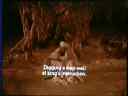
The image shows a person sitting near a fire under a tree, surrounded by others who appear to be engaged in a gathering or discussion. The setting seems to be outdoors, possibly in a rural or desert area, with a warm, earthy tone dominating the scene. The text in the image reads, "Digging a step-well at king's instruction."
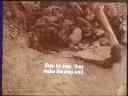
The image shows a person digging a hole in the ground with a shovel. The soil appears dry and rocky, with visible rocks and uneven terrain. The person is using a tool to carefully excavate the earth, suggesting a deliberate effort to create a specific shape or depth. The surrounding area seems to be a natural, undeveloped landscape, possibly a rural or wilderness setting. The text in the image reads, "Step by step, they make the step well."
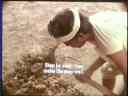
The image shows a person working outdoors, using a tool to dig into the ground. The individual is wearing a headband and a light-colored shirt, and the ground appears to be dry and rocky. The scene suggests a rural or agricultural setting. The text in the image reads, "Step by step, they make the step well."
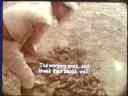
The image shows a person working outdoors, bending over and using a tool to break rocks or soil. The individual is dressed in light-colored clothing, and the ground appears dry and rocky. The scene suggests a rural or undeveloped area, possibly a construction or excavation site. The text in the image reads: "The workers work, and break their backs, well!"
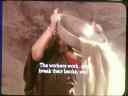
The image shows a person carrying a large metal bowl filled with a white substance, possibly rice or flour, over their head. The person is wearing a dark garment with a red section visible on the chest. The background appears to be a rocky or earthen surface, suggesting a rural or outdoor setting. The text in the image reads, "The workers work, and break their backs, well."
The image shows a person holding a handful of grain, with the grains visibly falling through their fingers. The lighting is dim, and the focus is on the grains and the person's hand. The grains appear to be golden in color, and the person's hand is slightly blurred, suggesting motion. The background is dark, making the grains stand out. The possible geographic location is not discernible, but the scene could be set in a rural or agricultural area. The text in the image reads, "All for handful of grain."
The image shows a person sitting on a wooden structure, possibly a swing or hammock, with a bowl placed nearby. The person is dressed in traditional attire, and the setting appears to be outdoors, with sunlight filtering through the trees. The scene suggests a rural or village environment.
The image shows a person lying down on a bed or a similar surface, wrapped in a blanket. The setting appears to be indoors, with a bowl visible on a wooden table nearby. The lighting suggests a warm, natural environment, possibly near a window or an open area. The person seems to be resting or sleeping. The text in the image reads, "I've grown up, into a handsome young man."
The image shows a person carrying a large clay pot on their head, walking on a sandy or dusty terrain. The person is wearing traditional clothing, and the background appears to be a vast, open area with a dry, earthy landscape. The scene suggests a rural or agricultural setting, possibly in a region where such practices are common.
The image shows a rural setting with a dirt path, wooden fences, and a small structure made of wood and cloth. There is a person standing near the structure, possibly engaged in some activity. The area appears to be a farm or a village, with vegetation and cultivated land visible in the background. The geographic location seems to be a rural area, possibly in a region with a temperate climate.
The image shows a person bent over, using a tool to dig into the ground. The individual is wearing light-colored clothing, including a head covering, and appears to be working in a dry, earthy environment. The ground is uneven, with visible soil and rocks. The person seems focused on their task, and the scene suggests a rural or agricultural setting. The text in the image reads: "With their tools they tell all their lives in the soil."
The image shows a close-up of hands holding a handful of grain, with the grains visibly falling through the fingers. The lighting is warm, and the background is dark, emphasizing the hands and the grain. The grain appears to be light-colored, and the hands are gently holding it. The scene seems to be in a rural or agricultural setting, possibly in a region where such grains are commonly cultivated. The text in the image reads, "Just for a handful of grain."
The image shows a group of individuals walking up a set of stone steps. They appear to be dressed in traditional attire, with some carrying objects such as a stick and a round item. The setting seems to be outdoors, with a bright sky in the background. The steps are wide and appear to be part of a larger structure, possibly a temple or a historical site. The individuals seem to be engaged in a collective activity, possibly a procession or a pilgrimage.
The image shows a group of men sitting on the ground in a public space. They appear to be engaged in conversation, with some sitting cross-legged and others leaning forward. The ground is paved, and there is a small fire or arrangement of stones in the center. The men are dressed in traditional attire, including turbans and loose garments. The setting suggests a rural or semi-urban area, possibly in South Asia. The text in the image reads, "How long will it take to go on?"
The image shows a person standing in front of an intricately carved stone structure. The individual is wearing a white garment and appears to be engaged in some activity, possibly cleaning or inspecting the structure. The setting suggests a historical or cultural site, likely in a region with a rich tradition of stone architecture. The carvings on the stone columns are detailed and ornate, indicating skilled craftsmanship.
The image shows a person lying on a bed or mat inside a rustic, thatched-roof structure. The surroundings appear to be rural, with a view of open land and a bright sky visible through the openings. The person is partially covered with a white cloth, and there is a wooden or bamboo frame visible. The structure seems to be made of natural materials such as wood and straw.
The image shows a person sitting cross-legged on the ground, wearing light-colored pants and a necklace. Behind them, there is a rustic structure made of natural materials like wood and straw, with a thatched roof. A person in dark clothing stands near the entrance of the structure, and there are some objects like a pot and a basket visible in the background. The setting appears to be rural, possibly in a tropical or subtropical region.
The image shows a person in a red garment running alongside a group of white animals, possibly donkeys or mules, in a dusty, rocky terrain. The background features a rugged, hilly landscape with a bright, sunlit atmosphere. The person appears to be guiding or herding the animals along a path.
The image shows a person standing outdoors in a natural setting. The individual appears to be wearing traditional clothing, including a white garment and a headpiece. The background consists of a dry, earthy terrain with sparse vegetation. The person is holding something in their hands, possibly a small object or tool. The overall scene suggests a rural or wilderness environment.
The image shows a person sitting by a body of water, facing away from the camera. They are sitting on a grassy slope, with a colorful blanket spread out in front of them. The water appears calm, and the surrounding area is natural, with some vegetation visible. The person seems to be enjoying a peaceful moment by the water. The geographic location appears to be a rural or natural setting, possibly near a lake or river.
The image shows two individuals walking up a steep, rocky hillside. The terrain is dry and rugged, with sparse vegetation visible. The person in the foreground appears to be wearing a white outfit, while the person in the background is dressed in a light-colored shirt and shorts. The sky above is clear and blue. The location seems to be a dry, arid region, possibly in a desert or semi-desert area.
The image shows two individuals on a steep, dry hillside. One person is seated on the slope, appearing to rest or observe, while the other person is climbing or navigating the incline. The terrain is rocky and covered with sparse vegetation, suggesting a dry, arid environment. The location appears to be in a rural or natural area, possibly in a region with a warm climate.
The image shows a person squatting near a body of water, possibly a river or lake, with a grassy bank. The individual appears to be gesturing or pointing toward the water. The surroundings suggest a rural or natural setting, with vegetation visible in the foreground. The text in the image reads, "Miami, Texas."
The image shows two individuals near a body of water. One person is sitting on a rock, wearing a white shirt and shorts, and appears to be gesturing or pointing toward the water. The other person, who is standing, is wearing a light-colored outfit and is looking at the water. The surrounding area is grassy and appears to be a natural outdoor setting. The water body seems calm and is bordered by vegetation. The geographic location seems to be a rural or natural area, possibly near a river or lake.
The image shows a person wearing an orange garment, possibly a robe or a uniform, with a head covering. The background appears to be a plain, sandy or earthy surface, suggesting a desert or arid environment. The text in the image reads, "You dirty son of a brahmin."
The image shows a person wearing a white headband and a sleeveless white garment, standing outdoors with a clear sky in the background. The individual appears to be in a relaxed posture, leaning slightly forward with one arm resting on their knee. The setting suggests a warm climate, possibly in a rural or open area. The text in the image reads, "You damn heretic. Damn you and your religion."
The image shows a person wearing a bright orange garment, standing in front of a plain background. The person appears to be wearing a headpiece or headband. The text in the image reads, "May you die a miserable death." The setting appears to be indoors, possibly in a studio or a controlled environment. The person's attire and the plain background suggest a possible cultural or artistic context.
The image shows two individuals in a dry, arid environment with sparse vegetation. One person appears to be wearing a white garment, while the other is partially visible and seems to be in motion. The background consists of a rocky, uneven terrain with some dry plants. The text in the image reads, "Should I defile you, or what you go?"
The image shows a person wearing a bright orange garment, standing in what appears to be a desert-like environment. The background is a sandy terrain, and the person is dressed in traditional attire, possibly indicative of a cultural or regional setting. The text in the image reads, "Let the crows peck your eyes."
The image shows two individuals in a desert-like environment. One person is wearing a white garment and appears to be gesturing or pointing towards the other person, who is dressed in a sleeveless top and a headband. The background consists of rocky terrain and sparse vegetation. The scene suggests a warm, arid climate.
The image shows a person wearing a bright orange shirt and red pants, with a headband, standing in a crouched position. The background appears to be a plain, sandy or dusty surface, possibly a desert or dry area. The person seems to be engaged in an activity, possibly a sport or physical activity.
Two individuals wearing traditional attire, including red turbans, are standing outdoors in a rural area. They appear to be armed with rifles and are engaged in a conversation. The terrain is dry and hilly, suggesting a rural or mountainous region. The text in the image reads, "Help! Help! Help!"
The image shows three individuals dressed in traditional attire, engaging in what appears to be a cultural or ceremonial activity. The setting seems to be outdoors, with a natural, earthy background. The individuals are wearing headgear and clothing that suggests a rural or traditional environment. The text visible in the image reads "Tunis" and "Tunisie," indicating that this scene is likely from Tunisia.
The image shows a person lying down, with a large clay pot placed on their stomach. The person is wearing a white garment, and there is a bundle of dried plants or fibers to the left of the pot. The setting appears to be rustic, possibly rural, with natural materials visible.
The image shows three individuals in a rural outdoor setting. One person is lying on the ground, seemingly injured, while the other two are attending to them. The person lying down is wearing a white outfit, and the two standing individuals are dressed in traditional attire, including turbans and long garments. The terrain appears dry and rocky, suggesting a desert or arid region.
Two individuals are seen navigating a rugged terrain. One is wearing a red turban and holding a spear, while the other is wearing a red cap and a gray outfit. The area appears to be a dry, rocky landscape with sparse vegetation. The terrain suggests a mountainous or hilly region, possibly in a desert or semi-arid environment.
The image shows two individuals dressed in traditional attire, standing in a rugged, rocky terrain. One person is wearing a white outfit with a red sash, while the other is dressed in a darker outfit with a red head covering. They appear to be engaged in a conversation, with one person gesturing with their hand. The background consists of rocky hills and sparse vegetation. The text in the image reads, "And he is handsome too."
The image shows a rugged terrain with a natural rock archway in the center, surrounded by rocky hills and sparse vegetation. There is a person standing on top of the archway, and another person is visible near the base of the rocks, possibly using a tripod or camera equipment. The area appears to be dry and arid, with a clear sky overhead. The geographic location seems to be a desert or semi-desert region, possibly in a region known for its natural rock formations.
The image shows two individuals in a rural setting. One person is standing and appears to be lifting or carrying a large stone, while the other person is seated on the ground, observing. The ground is covered with rocks and stones, suggesting a rough terrain. The environment appears dry and arid, possibly indicating a desert or semi-desert region.
The image shows two individuals engaged in an activity involving a large block of material, possibly stone or concrete. The setting appears to be outdoors, with a rough, uneven surface beneath them. The individuals are dressed in light-colored clothing, and their hands are actively working on the block. The scene suggests a manual labor task, possibly related to construction or masonry. The geographic location appears to be a dry, arid region, as indicated by the rough, rocky ground and the lack of vegetation.
The image shows two individuals in a rural setting. One person is wearing a red garment with a headscarf, while the other is dressed in a white shirt and a headband. They are surrounded by rocks and appear to be engaged in a task involving a large stone. The terrain is dry and barren, suggesting a desert-like environment. The possible geographic location could be a region with arid climates, such as the Middle East or North Africa.
The image shows a person wearing a white shirt and light-colored pants, bending over and using their hands to move or arrange large, irregularly shaped rocks. The person appears to be in a dry, dusty environment with a rough, uneven ground surface. The rocks are scattered around, and the person seems to be engaged in manual labor. The scene suggests a rural or undeveloped area, possibly in a region where stone quarrying or construction is common.
The image shows a group of people gathered in what appears to be a public space. A man in white clothing is climbing or leaning on a stone structure, while others are seated or standing nearby. Some individuals are wearing traditional attire, including brightly colored garments. The setting seems to be outdoors, with visible steps and a wooden railing. The scene appears to be in a region where such traditional clothing is common, possibly in South Asia.
The image shows a person lying on a stone platform, surrounded by ropes tied to wooden beams. The individual is wearing a white garment, and the setting appears to be an ancient or historical structure with stone walls and pillars. The scene suggests a place of rest or ritual, possibly in a temple or similar location. The ropes and beams indicate that the person is secured in place, possibly for a ceremonial purpose.
The image shows a group of individuals engaged in an activity near a structure with intricate carvings. They appear to be wearing traditional attire, including headbands and light clothing. The setting seems to be outdoors, with a stone or tiled surface visible. The individuals are positioned around a corner of the structure, with one person leaning against it. The scene suggests a cultural or religious gathering, possibly in a region with a warm climate.
The image shows a close-up of a person's hand, with fingers curled around something. The hand appears to be of a darker complexion, and there is a small white object visible on the skin. The background is blurred, but it seems to be indoors, possibly in a warm environment. The person's hand is positioned near the center of the image, and the focus is on the hand and the object it is holding.
The image shows a person wearing a white garment, possibly a robe or a traditional attire, engaged in an activity involving a textured wall or surface. The person appears to be using their hands to interact with the wall, possibly carving or inspecting it. The wall has intricate patterns or carvings, suggesting it might be part of a historical or cultural site. The setting appears to be outdoors, with natural lighting.
The image shows a group of people working on a structure that appears to be part of a temple or a historical building. The structure is intricately carved with ornate designs, and the workers are engaged in tasks such as painting or repairing the stone. The setting seems to be in a warm climate, possibly in a region known for its rich cultural heritage and architectural traditions. The visible text in the image is in English, and it reads: "Please be careful."
The image shows a person standing on a carpeted floor, wearing white pants and red and gold patterned shoes. There are two metal trays on the floor, one of which appears to contain food. A hand is reaching towards one of the trays. The setting seems to be indoors, possibly in a traditional or cultural environment. The carpet and the style of the shoes suggest a possible location in South Asia.
The image shows two individuals dressed in traditional attire, standing in what appears to be an ornate, wooden interior. One person wears a red turban and a pink outfit, while the other wears a red turban and a purple outfit. The setting suggests a historical or cultural context, possibly from a region with a rich tradition of craftsmanship in woodwork.
The image shows a person wearing a red turban and a striped shirt, standing near a wooden structure with intricate carvings. Another person, dressed in purple, is partially visible behind a column with ornate designs. The setting appears to be indoors, possibly in a traditional or cultural location.
The image shows three individuals standing in a corridor with ornate stonework. Two of them are dressed in traditional attire, with one wearing a red turban and the other a red cloak. The third person is in a gray coat and white pants. The setting appears to be a historical or cultural location, possibly in a region with a rich architectural heritage. The text in the image reads: "So we put him in a box, and left him afloat in the river."
The image shows two individuals walking through a shallow body of water, with one person wearing a red garment and the other in a lighter outfit. The background consists of a dry, flat landscape with sparse vegetation. The text in the image reads, "Jivo, you remind me of my donkey."
The image shows two animals walking across a shallow body of water, with a distant tree line and a slightly hilly landscape in the background. The water reflects the animals, creating a serene and natural setting. The geographic location appears to be a rural or semi-rural area, possibly near a river or a lake in a region with sparse vegetation.
The image shows two silhouettes standing near a body of water, with a dramatic sky filled with clouds and a setting sun in the background. The silhouettes appear to be a man and a woman, facing away from the camera. The scene is likely set in a rural or natural area, possibly near a lake or river. The sky is a mix of warm hues, suggesting it is either dawn or dusk.
The image shows a person sitting on a patterned carpet in a room with wooden walls and a mix of textiles and furniture. The room has a warm, earthy tone with a mix of red and brown colors. There is a small table with items on it, and the person appears to be engaged in an activity involving a bundle of fabric or clothing. The setting suggests a traditional or historical environment, possibly in a Middle Eastern or Central Asian region.
The image shows a person wearing a red turban and a white garment, seated in what appears to be a traditional setting. The background includes wooden panels and a window, suggesting an indoor environment. The person seems to be engaged in a conversation or interaction. The text in the image reads, "You seem annoyed, my lord."
The image shows a person dressed in traditional attire, sitting on a bed with a red blanket. The room has wooden furniture, including a chest and a hanging swing. There are decorative textiles on the walls and a small table with items on it. The setting appears to be a traditional or historical room, possibly in a Middle Eastern or South Asian context, given the style of the clothing and furniture.
The image shows two individuals engaged in a conversation. One is wearing a red hat and a white garment with a necklace, while the other appears to be seated and dressed in a purple outfit. There is a decorative lamp with intricate designs hanging in the background, and a patterned cloth is visible on the wall. The setting appears to be indoors, possibly in a traditional or culturally significant location. The text in the image reads: "Don't say such things, my lord. I will soon find a solution."
Song: Garba song
The image shows a group of people, mostly women, dressed in traditional attire, walking in a circle on a dirt ground. The clothing includes long skirts, headscarves, and some are wearing red shawls. The setting appears to be outdoors, possibly in a rural or village area, with a stone wall visible in the background. The scene suggests a cultural or ceremonial gathering.
The image shows two individuals wearing light-colored clothing and head coverings, standing near a body of water. The background includes a natural landscape with trees and a riverbank. The scene appears to be outdoors in a rural or semi-rural area.
The image shows a group of people, with one individual prominently holding a child. The people are dressed in traditional attire, with some wearing white garments and head coverings. The background features a red fabric with intricate patterns, suggesting a cultural or ceremonial setting. The scene appears to be outdoors, possibly in a warm climate.
The image shows a group of individuals wearing traditional attire, with some of them wearing headbands. They appear to be outdoors, possibly in a warm climate, as they are dressed in light clothing. The background suggests a rural or semi-rural setting, with a clear sky and some vegetation visible.
The image shows a group of people engaged in a physical activity on a sandy or dusty ground. They appear to be playing a game, with one person in the foreground holding a round object, possibly a ball. The participants are dressed in traditional attire, and the setting suggests an outdoor environment, possibly in a rural or semi-urban area. The background includes a rocky or uneven terrain, and the scene appears to be taking place in a sunny, warm climate.
The image shows a man walking away from the camera, wearing a white garment wrapped around his waist and a strap across his back. He is holding a stick in his right hand. In the background, there is a woman in a red outfit, kneeling on the ground, and another person partially visible to the left. The setting appears to be a rural or desert area, with sandy terrain and sparse vegetation.
The image shows a group of people walking outdoors on a dirt path. The individuals are dressed in colorful traditional clothing, with some wearing headscarves. A man in the foreground is carrying a round object, possibly a drum or a shield. The background features a rocky terrain with sparse vegetation. The scene appears to be in a rural or semi-rural area, possibly in a region with a warm climate.
The image shows a group of people walking in a line across a dry, open area. Most of them are wearing long, colorful garments, and the ground appears dusty or sandy. The group seems to be moving in a coordinated manner, possibly participating in a communal activity. The geographic location appears to be a rural or semi-arid region, possibly in a region where such attire is common.
The image shows a group of people standing together outdoors. A woman in a red garment is holding a child, while two men stand nearby. The background includes greenery, suggesting a rural or natural setting. The clothing and the presence of the child indicate a family or community gathering.
The image shows a person with a light complexion, wearing a white headband, and appearing to be outdoors. The background is a clear sky, suggesting a sunny day. The person is shirtless, and there is a visible necklace around their neck. The setting appears to be in a tropical or warm region, possibly in a rural or traditional area.
The image shows a group of individuals wearing light-colored clothing and headbands, standing outdoors under a clear sky. They appear to be engaged in a communal activity, possibly a dance or celebration. The setting suggests a warm climate, possibly in a rural or desert area.
The image shows a rural setting with a dirt path leading to a small, rustic structure made of natural materials. There are people walking along the path, some in groups and others alone. The terrain is uneven, with a rocky hillside in the background. The scene appears to be in a dry, possibly arid region.
The image shows two individuals standing outdoors under a cloudy sky. One person is pointing in a specific direction, while the other is looking down, wearing a red garment with a decorative border. The setting appears to be rural, with a natural landscape visible in the background.
The image shows a group of people, mostly women, dressed in colorful traditional attire, dancing in a circle outdoors. The setting appears to be a rural area with a dirt ground, and there are hills in the background. The people seem to be engaged in a joyful activity, possibly a cultural or festive gathering.
The image shows a group of people dressed in traditional attire, performing a circular dance in an open area. The ground appears dry and dusty, and the group is surrounded by a few spectators who are observing the performance. The setting seems rural, with a thatched structure visible in the foreground. The geographic location appears to be in a region where traditional clothing and circular dances are common, possibly in a rural area of Asia or Africa.
The image shows a group of people in an open area with a rocky landscape in the background. The central figure is a man with his back to the camera, wearing minimal clothing, and appears to be holding something in his hands. To his left, there is a woman dressed in colorful traditional attire, and to his right, another person in light clothing is seated on the ground. The setting appears to be rural, with dry terrain and sparse vegetation.
The image shows a group of people walking outdoors in a rural setting. The foreground features a woman in a red outfit with bangles on her arms, and a man in a yellow garment. In the background, there are other individuals dressed in traditional attire, including a man in a bare chest and a woman in a bright orange dress. The landscape appears to be dry and open, with some vegetation and rocky terrain visible. The scene suggests a warm climate, possibly in a region known for traditional clothing and cultural practices.
The image shows a person carrying a drum-like instrument on their back, dressed in traditional attire. The person appears to be walking outdoors, possibly in a rural or cultural setting. The background includes other individuals and structures, suggesting a gathering or event.
The image shows a group of people walking together across a vast, open plain. They appear to be moving in a line, with some individuals on horseback. The landscape is flat and expansive, with sparse vegetation and a few small structures visible in the foreground. The terrain looks dry and arid, suggesting a desert or semi-desert environment. The group seems to be traveling together, possibly for a communal purpose or event.
The image shows a group of people running across a dry, open landscape. The terrain appears to be flat and barren, with sparse vegetation and a clear sky overhead. The people are dressed in traditional clothing, with some wearing long skirts and head coverings.
The image shows a group of people gathered in an open area, possibly a desert or dry plain. They appear to be engaged in a communal activity, with some individuals dressed in colorful clothing. The landscape is flat and barren, with a distant mountain or hill visible in the background. There are some structures or objects in the foreground, possibly tents or shelters.
The image shows a group of people walking along a dirt path in an open, rural area. The landscape is flat with sparse vegetation, and the sky is clear with a few clouds. The people appear to be dressed in traditional clothing, with some wearing head coverings. The scene suggests a warm climate.
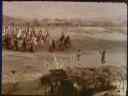
The image shows a group of people in traditional attire, dancing in a large open area. The ground appears dry and barren, with a few scattered structures in the foreground. The people are dressed in vibrant colors, with some wearing red and others in white. The scene seems to be set in a rural or desert-like environment, with a distant horizon that suggests a vast, open landscape.
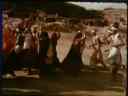
The image shows a group of people, some in traditional attire, walking along a dusty road in what appears to be a rural or desert area. The people are engaged in a lively activity, possibly dancing or celebrating. The background features rocky terrain and sparse vegetation, suggesting a dry and arid environment.
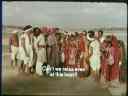
The image shows a group of people standing together outdoors, dressed in traditional attire. The group appears to be gathered in a semi-circle, with some individuals wearing colorful garments and head coverings. The background is a dry, open landscape, possibly a desert or arid region. The people seem to be engaged in a conversation or discussion.
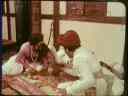
The image shows two individuals dressed in traditional attire, with one wearing a red turban and the other a pink outfit. They are seated on a bed or a cushioned surface, surrounded by various objects, including what appears to be jewelry or decorative items. The room has wooden walls and windows with wooden frames, suggesting a traditional or historical setting. The possible geographic location could be in a region with a rich cultural heritage, such as South Asia or the Middle East.
The image shows a group of people in a traditional setting. The central figure is wearing a brown outfit and a turban, while another person in a red and gold garment stands nearby. A third individual in white attire is holding a staff or weapon. The background features wooden structures and decorative elements, suggesting a cultural or historical context. The text in the image reads, "He won't."
The image shows a person standing in a traditional setting, possibly a courtyard or a home. The person is dressed in a traditional outfit, with a headscarf and a skirt. The surroundings include a tiled floor, a large clay pot, and wooden structures. The area appears to be part of a rural or historical setting, with visible decorations and artifacts. The possible geographic location could be a region with a warm climate, such as a village in Africa or Asia.
donkey
The image shows a person in a red garment kneeling near a white horse, seemingly interacting with it. There are several other animals, including donkeys, in the background, and a person sitting on a hill in the distance. The setting appears to be a rural or pastoral area with a mix of grass and dirt. The geographic location seems to be a dry, possibly desert-like region, with sparse vegetation and a rocky terrain.
The image shows a person dressed in a light-colored outfit, sitting outdoors in a natural setting. They are holding a drum-like instrument and appear to be engaged in a musical activity. The background features a grassy area with some trees and a clear sky. The person seems to be in a relaxed, open environment, possibly a rural or countryside location.
The image shows a person standing in a rural area, surrounded by a group of animals, including donkeys. The person appears to be wearing traditional clothing, and the scene is set in a dry, open landscape with sparse vegetation. The text in the image reads, "Too scared to enter the village. Why stamp your foot here?" The geographic location seems to be a rural area, possibly in a desert or semi-arid region.
The image shows a person sitting on a mound of dirt or sand, holding a wooden instrument resembling a xylophone or a similar percussion instrument. The person is dressed in light-colored clothing, and the background features a rural landscape with sparse vegetation and a structure that appears to be a house or a shed. The setting seems to be in a dry, possibly arid region.
The image shows a person wearing traditional attire, including a red and yellow garment with intricate patterns. The person is adorned with jewelry, including necklaces and earrings. The background appears to be a plain, earthy-toned surface. The text in the image reads, "Don't I know that you are brave enough to go to the village."
The image shows a person sitting outdoors, dressed in light-colored clothing, with a drum in front of them. The background features a natural landscape with trees and a slightly hilly terrain. The text in the image reads, "That I am!"
The image shows a person dressed in traditional attire, sitting on a horse or donkey. The person is wearing a red and yellow garment with intricate patterns and jewelry. The background appears to be a vast, open plain or desert, with no visible structures or vegetation. The person seems to be engaged in a calm and serene activity, possibly resting or observing the surroundings. The geographic location appears to be a rural or semi-arid region, possibly in a desert or steppe area.
The image shows a person wearing a red and yellow garment, standing near a group of animals, including goats. The person appears to be engaged in an activity involving the animals, possibly feeding or tending to them. In the background, there is another individual standing on a slightly elevated area, holding a container. The setting appears to be rural, with a dry, earthy landscape and a structure visible in the distance. The geographic location seems to be a dry, arid region, possibly in a rural or pastoral area.
The image shows a person standing among a group of animals, including cows and calves, near a body of water. The person is wearing a red garment and appears to be holding something in their hands. The animals are gathered closely together, and the scene suggests a rural or pastoral setting. The geographic location appears to be in a region where such livestock farming is common, possibly in a rural area with a temperate climate. The text in the image reads: "If I want one with a tail. What's wrong with this one?"
A person is walking along a dirt path, carrying a basket on their back. The sky is filled with large, fluffy clouds, and the landscape appears to be rural with sparse vegetation. The terrain is dry and dusty, suggesting a warm climate. The person is wearing a light-colored outfit, and the scene gives off a sense of simplicity and rural life.
The image shows a dimly lit room with a chandelier hanging from the ceiling, casting light on the surroundings. The room appears to have a rustic or vintage aesthetic, with wooden walls and a dark, cozy atmosphere. The lighting is soft, creating a warm and intimate ambiance. The possible geographic location seems to be a traditional or old-fashioned setting, possibly in a rural or historic area.
The image shows a group of riders on horses galloping through shallow water, creating splashes as they move. The riders are dressed in traditional attire, with some wearing white garments and others in darker colors. The terrain appears to be a mix of wet sand and shallow water, suggesting a coastal or riverine environment. The background shows a sandy shoreline, indicating a beach or riverbank setting.
The image shows two individuals walking along a sandy path surrounded by sparse vegetation. One person is wearing a white outfit, while the other is dressed in darker clothing. A red cloth is being carried by one of the individuals, fluttering in the wind. The terrain appears to be dry and arid, with hills or dunes in the background. The scene suggests a rural or desert-like environment.
The image shows a rural setting with a few individuals sitting and standing in a natural outdoor environment. There is a small, rustic house in the background, surrounded by vegetation and uneven terrain. The people appear to be casually dressed, with some wearing head coverings. The scene suggests a warm climate, possibly in a rural or semi-rural area.
The image shows two individuals dressed in traditional attire, sitting outdoors under a thatched roof. One person is holding a pipe, and both appear to be engaged in conversation. The setting suggests a rural or village environment, possibly in a region with a warm climate.
The image shows a group of people in a room with a mix of traditional and modern elements. The central figure is wearing a bright orange outfit with a large headpiece, and there are other individuals in the background dressed in white and red garments. The room has a wooden structure and a tiled floor. The setting appears to be a mix of cultural or ceremonial significance, possibly in a region with a blend of traditional and modern influences.
The image shows two individuals dressed in traditional attire, seated on a carpet in what appears to be a richly decorated room with wooden panels and hanging ornaments. One person is standing, gesturing with their hand, while the other is seated, looking attentively at the standing individual. The room has a warm, earthy tone, with intricate patterns on the carpet and walls. The setting suggests a Middle Eastern or South Asian cultural context. The text in the image reads, "I am at your service."
The image shows three individuals in a richly decorated room. The person on the left is wearing a red garment with gold accents, while the other two are dressed in white and red attire. The room has ornate decorations, including what appears to be a chandelier and decorative vases. The text in the image reads, "The prince is alive."
The image shows two individuals standing in a dimly lit room with wooden paneling and windows. One person is wearing a white outfit with a red head covering, while the other is dressed in a red and gold traditional attire. The setting appears to be a traditional or historical interior, possibly in a region with a colonial influence.
The image shows a man with a long beard, dressed in traditional attire, standing in front of a person in a turban and traditional clothing. The setting appears to be indoors, with a wooden structure and a curtain in the background. The man in the turban is holding a staff or weapon. The scene seems to be from a historical or cultural context, possibly in a region with a warm climate.
The image shows a group of individuals standing in a dimly lit room. Two men in white garments and red turbans stand on the left, while a woman in a red outfit is on the right. The room has wooden doors and appears to be a traditional setting. The text in the image reads, "We did not kill the prince."
The image shows two individuals lying on the ground, surrounded by dry grass and trees. One person is dressed in light-colored clothing, while the other is wearing darker, patterned attire. The scene appears to be outdoors, possibly in a rural or forested area.
The image shows a group of individuals in traditional attire, standing and sitting in a room with wooden walls and a door. The room appears to have a rustic and historical ambiance, with some decorative elements visible on the walls. The individuals are dressed in clothing that suggests a cultural or traditional setting, possibly from a region with a rich heritage. The scene seems to be taking place in a place that could be a part of a historical or cultural site.
The image shows two individuals in a rustic setting. One person is seated on the ground, leaning against a wall, while the other person is lying on a pile of straw or hay. The environment appears to be a simple, rural space with visible chains hanging from the ceiling. The walls are plain, and the floor is bare. The scene suggests a setting that could be in a village or a rural area.
Song: Aa toh Bhavni bhavai (refrain of Khar khar behti...)
The image shows two individuals in traditional attire, one seated and the other lying on the ground. The seated person is wearing a turban and appears to be holding a weapon. The surroundings include a wall with hanging weights and a bundle of straw or dried grass. The setting suggests a rural or traditional environment, possibly in a region where such attire and tools are common.
The image shows a group of people gathered in a dimly lit outdoor setting. The ground appears uneven and rocky, with a large tree trunk visible in the background. Some individuals are seated on the ground, while others stand or kneel nearby. The lighting suggests it might be evening or nighttime. The scene appears to be in a rural or natural environment, possibly in a forested area.
The image shows two individuals standing close to each other, with one person wearing a headscarf and the other wearing a head covering. The background is dark, and the lighting is dim, creating a shadowy effect. The individuals appear to be dressed in traditional attire, suggesting a cultural or regional setting.
The image shows a group of people gathered outdoors at night, sitting on the ground in a circle. They appear to be engaged in a communal activity, possibly a celebration or gathering. The setting is surrounded by large trees with thick trunks, and the lighting suggests a warm, intimate atmosphere. The group is dressed in traditional attire, with some individuals wearing white clothing and others in darker garments. The scene seems to be in a rural or natural environment, possibly in a region where such gatherings are common.
The image shows a person wearing a colorful garment with floral patterns and a red headscarf. They appear to be gesturing with their hands, possibly in a conversation or interaction. The background is dark and indistinct, suggesting an outdoor or dimly lit setting. The person's attire and surroundings hint at a rural or traditional environment, possibly in a region where such clothing is common.
The image shows a person wearing a white coat, possibly a medical professional, interacting with another individual. The scene appears to be indoors, with dim lighting. The background is dark, and the setting seems to be a clinical or hospital environment.
The image shows a person wearing a white shirt, with their arms wrapped around another person. The lighting is dim, creating a warm and intimate atmosphere. The setting appears to be indoors, possibly in a rustic or traditional environment.
The image shows a person wearing a hooded jacket, with their hands raised in front of them. The background appears to be outdoors, possibly in a foggy or misty environment. The person is standing near a structure or wall on the left side of the image.
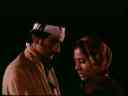
The image shows two individuals dressed in traditional attire. One person is wearing a headscarf and a robe, while the other is wearing a headscarf and a garment that appears to be a shawl. The background is dark, and the lighting highlights the individuals. The scene appears to be set in a rural or traditional environment, possibly in a region where such attire is common.
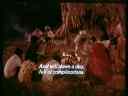
The image shows a group of people gathered around a fire at night, sitting on the ground. They appear to be engaged in a communal activity, possibly a gathering or celebration. The setting is outdoors, under a large tree with visible roots. The people are dressed in traditional clothing, and the atmosphere suggests a rural or village environment. The text in the image reads, "And will dawn a day, full of complications."
The image shows a person dressed in traditional attire, possibly a performer or a storyteller, standing in a dimly lit environment. The person appears to be engaged in a storytelling activity, as suggested by the text overlay. The setting seems to be indoors, with a warm, earthy tone to the lighting. The text in the image reads, "Tales... Tales... Tales... How long?"
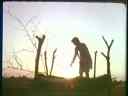
The image shows a silhouette of a person standing outdoors, surrounded by bare trees. The person appears to be engaged in an activity, possibly tending to something on the ground. The setting is likely rural, with a natural landscape visible in the background. The sky is clear, and the sun is low, suggesting it might be early morning or late afternoon.
The image shows a person dressed in a shiny metallic outfit standing in front of a wall with a reflective surface. Another person is visible in the background, gesturing with their hand. The setting appears to be indoors, with a warm lighting ambiance. The text in the image reads, "The ultimate solution, to please the planets, my lord."
The image shows two individuals engaged in a conversation. One is wearing a striped garment with a necklace, while the other is dressed in a white outfit with a red head covering. They appear to be in a room with wooden beams and decorative elements on the walls. The text in the image reads, "Just any old thing won't do." The setting seems to be a traditional or cultural environment, possibly in a region with a warm climate.
The image shows a person wearing a red turban sitting indoors, facing another individual who is seated on a cushion. The room has wooden walls and windows with decorative elements hanging outside. The text in the image reads, "There are only two such men..."
The image shows two individuals engaged in a conversation. One person is wearing a patterned shirt and has a beard, while the other is dressed in a light-colored outfit with a red head covering. The setting appears to be indoors, with wooden doors and walls visible in the background. The text in the image reads, "One man's vision."
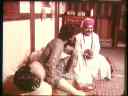
The image shows two individuals seated on the floor in a room with wooden walls and a tiled floor. One person is wearing a patterned outfit, while the other is dressed in white with a red cap. There is a small rug under them, and a black bag is visible in the foreground. The room has a traditional aesthetic, with decorative elements such as hanging ornaments and a wooden cabinet in the background. The setting appears to be in a Middle Eastern or Central Asian region, based on the clothing and decor.
The image shows a dirt path winding through a rural area, with two individuals walking away from the camera. The person in front is wearing a red top and a long skirt, while the person behind is carrying a bundle on their back. The surroundings include grassy hills and sparse vegetation, suggesting a countryside or rural setting. The terrain appears uneven, and the path is narrow.
The image shows three individuals standing on a sandy area, with a backdrop of dry vegetation. The person on the left is wearing light-colored clothing, while the two individuals on the right are dressed in traditional attire, with one wearing a red garment and the other in darker clothing. The scene appears to be outdoors, possibly in a rural or semi-arid region.
The image shows a person dressed in traditional attire, standing on a balcony-like structure with ornate architectural details. The person is wearing a red turban and appears to be gesturing or speaking. The background includes lush greenery and a clear sky. The setting suggests a historical or cultural location, possibly in a region with a warm climate.
The image shows a rural setting with a dirt path surrounded by greenery. There are four individuals walking along the path, dressed in traditional attire. The scene appears to be in a warm, sunny environment, possibly in a rural or village area. The text in the image reads, "Distressed is our king."
The image shows a group of individuals sitting on a stone platform in front of a traditional architectural structure. The setting appears to be outdoors, with a wooden and stone building in the background. The individuals are dressed in white garments, and the atmosphere suggests a relaxed or informal gathering. The text visible in the image reads, "Lustless is our king."
The image shows two individuals standing indoors, with one person wearing a white garment and the other wearing a pinkish-white garment. The background includes a wall with a wooden door frame and a window. The setting appears to be a modest indoor space, possibly in a rural or traditional environment.
The image shows two individuals standing outdoors, with one wearing a white outfit and the other dressed in a yellow and red traditional attire. The background features a stone structure with railings and a tree, suggesting a rural or historical setting. The text in the image reads, "What a royal disease."
The image shows a person carrying a child on their back, both dressed in traditional attire. The background appears to be a simple structure, possibly a house or a shelter, with visible wooden beams. The person is holding a tool or object in their hand. The text in the image reads: "Helpless is our king. Sleepless is our king."
The image shows two individuals dressed in traditional attire, with white turbans wrapped around their heads. They appear to be seated, and their clothing suggests a cultural or regional setting. The text in the image reads, "Helpless is our king. Sleepless is our king."
The image shows a group of individuals wearing traditional white garments and turbans, suggesting a cultural or regional setting. The attire and style hint at a Middle Eastern or North African locale.
The image shows a group of people dressed in traditional attire, with some wearing white garments and red head coverings. They appear to be standing in a rural outdoor setting, with a dirt path and vegetation visible in the background. The people seem to be engaged in conversation or a social gathering. The geographic location appears to be in a rural area, possibly in a region where such traditional clothing is common.
The image shows a person wearing a white shirt and a red headscarf, standing outdoors among a group of people. The background appears to be a natural setting with greenery and trees. The text in the image reads, "Who ever can lighten his heart and quieten his mind."
The image shows a group of individuals dressed in traditional attire, with red head coverings and white garments. They are standing outdoors on a dry, dusty ground, and some are holding long spears. The setting appears to be rural, with sparse vegetation visible in the background. The text in the image reads, "will be amply rewarded."
The image shows a group of people standing together outdoors. The individuals are dressed in traditional attire, with vibrant colors and patterns. Some are wearing headscarves, and one person is holding a wooden object. The background includes a building and trees, suggesting a rural or semi-urban setting.
The image shows a group of individuals dressed in traditional attire, with red turbans and white garments. They appear to be engaged in a discussion or pointing towards something in the distance. The setting seems to be a dry, arid region with sparse vegetation. The individuals are holding spears, suggesting they might be preparing for or involved in a task related to hunting or defense.
The image shows a group of people gathered in what appears to be a dimly lit area. They are wearing traditional clothing, including turbans, and seem to be engaged in a conversation or activity. The setting suggests a rural or village environment, possibly in a region where such attire is common.
The image shows a group of people outdoors, with one person in the center raising their arms. The surroundings include a pile of stones and a building in the background. The individuals are dressed in traditional attire, with some wearing head coverings. The scene appears to be in a rural or semi-urban area, possibly in a region with a warm climate.
The image shows a group of people walking in a sandy area, possibly a desert. The sunlight casts long shadows, indicating a bright day. The terrain appears dry and barren, with no visible vegetation. The people are dressed in light-colored clothing, which may suggest they are prepared for a hot climate.
The image shows two individuals standing in a narrow alleyway. One person is wearing a white outfit with a yellow sash, while the other is dressed in a yellow and red garment with a head covering. The surroundings include a weathered wall and a partially visible building in the background. The scene appears to be in a rural or semi-urban area, possibly in a region with traditional attire.
The image shows a narrow, cobblestone pathway lined with intricately carved wooden structures on the right side. The structures appear to be part of a traditional building, possibly a temple or a historical site, with ornate pillars and decorative elements. A person in a red garment is walking away from the camera, heading deeper into the passage. The setting suggests a warm climate, likely in a region with a rich cultural heritage.
The image shows four individuals riding horses through a rugged, sandy terrain. The riders are dressed in light-colored clothing, and the scene is illuminated by natural light, creating a warm and dynamic atmosphere. The terrain appears to be a desert or arid region, with rocky formations and sparse vegetation visible in the background. The riders seem to be moving quickly, kicking up dust as they travel.
The image shows a group of people near a beach, with some standing and others sitting or leaning against a structure made of natural materials like wood and thatch. There are large woven baskets or containers visible, and some vegetation in the foreground. The setting appears to be a coastal area, possibly in a tropical or subtropical region.
The image shows a rugged, rocky terrain with a group of people walking along a narrow path. Some individuals are on horseback, navigating through the dusty, uneven ground. The scene appears to be set in a remote, arid region, with steep cliffs and sparse vegetation visible in the background.
The image shows a rural setting with a thatched structure on the left, a dirt path, and a few animals, including a dog, in the background. The area appears to be dry and arid, with sparse vegetation. The scene suggests a rural or village environment, possibly in a desert or semi-desert region.
The image shows a group of people dressed in traditional attire, walking in a procession. The setting appears to be outdoors, with rocky terrain in the background. The people are wearing white clothing and head coverings, and some are carrying objects. The scene suggests a cultural or ceremonial event.
The image shows a group of people gathered in an outdoor area, possibly a rural or semi-urban setting. The scene includes a tent-like structure on the left, with some individuals standing or walking nearby. The background features a landscape with open land and a few scattered structures. The people appear to be engaged in various activities, such as walking or conversing. The overall atmosphere suggests a communal or social gathering.
The image shows a group of people gathered near a structure made of natural materials like wood and leaves. The setting appears to be outdoors, possibly near a beach or a rural area, as there is sand visible in the background. The people seem to be engaged in a communal activity, possibly a gathering or celebration.
The image shows a group of people in traditional attire, gathered in a rural outdoor setting. The terrain appears dry and rocky, with some vegetation visible. The group seems to be searching for someone, as indicated by the text in the image. The people are wearing white clothing with red accents, and some are holding objects like sticks or tools. The scene suggests a community effort in a possibly arid region.
The image shows a group of individuals dressed in white garments, bowing in unison towards a seated figure in the background. The setting appears to be indoors, with wooden walls and a central figure seated on a raised platform. The individuals are arranged in a line, facing the seated figure, and appear to be engaged in a formal or ceremonial activity. The text in the image reads, "We bow to the king."
The image shows two individuals dressed in traditional attire, sitting in what appears to be a richly decorated indoor setting. One person is seated on a raised platform, while the other is sitting on a lower level. The background features ornate wooden carvings and a patterned wall, suggesting a setting of cultural or historical significance. The attire and setting suggest a possible location in South Asia or a region with similar cultural influences.
The image shows three individuals dressed in traditional attire, standing in front of an ornate structure with intricate carvings. The setting appears to be a historical or cultural site, possibly in a region with a rich tradition of craftsmanship. The text in the image reads, "We will not stop to eat..."
The image shows a man dressed in traditional attire, with a turban adorned with a white feather. He is seated indoors, surrounded by ornate wooden furniture and decorative elements. The setting appears to be a richly decorated room, possibly in a palace or a historical building. The man is holding a small object in his hand, and there is a blurred figure in the background. The text in the image reads: "a man with thirty two qualities is sacrificed."
The image shows a person wearing a turban with a feather, sitting in what appears to be a richly decorated room with ornate furnishings. The person is dressed in traditional attire, and the setting suggests a historical or cultural context. The text in the image reads, "But where do we find such a man?"
The image shows a group of individuals standing in a row, dressed in traditional attire with headbands. They appear to be engaged in a communal activity, possibly playing musical instruments or participating in a ritual. The setting seems to be outdoors, with a rustic wooden structure visible in the background. The individuals are focused and appear to be performing a coordinated task.
The image shows two individuals dressed in traditional attire, seated in what appears to be a richly decorated room with ornate wooden furniture and intricate patterns on the walls. One person is wearing a turban with a feather, while the other has a turban adorned with a red and white design. The setting suggests a historical or cultural context, possibly from a region known for such attire. The text in the image reads, "Jivo is the man with thirty two qualities."
The image shows a group of individuals standing in a row, dressed in traditional attire, with their heads covered by cloth. They appear to be engaged in a solemn or serious activity, possibly a ritual or ceremony. The background suggests an outdoor setting with a rustic or historical architectural style. The text in the image reads, "So he is the chosen one."
The image shows two individuals dressed in traditional attire, seated in a richly decorated room with ornate wooden furniture and intricate patterns on the walls. One person is wearing a turban with a feather and holding a sword, while the other is wearing a turban with a red and white design and a necklace. The setting appears to be a royal or historical environment, possibly in a region with a strong tradition of royal or cultural heritage. The text in the image reads, "Now present him before the king."
The image shows a man seated comfortably on a cushioned chair, wearing traditional attire with intricate patterns. He is holding a small object in his hand, possibly a writing instrument, and appears to be engaged in a conversation or activity. Behind him, there is a richly decorated wall with ornate designs, and another person is visible in the background, dressed in traditional clothing. The setting suggests a culturally significant or historical location, possibly in a region known for its rich heritage and craftsmanship. The text in the image reads, "Fetch him from his hiding."
The image shows a person running through a forested area. The person appears to be wearing a red hat and carrying a bag. The background consists of trees and sunlight filtering through the leaves. The scene seems to be outdoors in a wooded area, possibly during daytime.
The image shows two individuals walking through a forested area. The trees are tall and densely packed, with sunlight filtering through the canopy. The individuals appear to be moving forward, and one of them is carrying a long object, possibly a tool or a stick. The environment suggests a rural or natural setting, possibly in a temperate region.
The image shows a forested area with several trees scattered across the ground. There are two figures in the scene, one standing and the other bending down. The ground appears to be covered with grass and leaves, and the trees are thin and tall. The setting seems to be a natural outdoor environment, possibly a park or a wooded area.
The image shows a group of people walking in a forested area. The ground is covered with leaves, and the trees are tall and sparse. The people appear to be wearing traditional clothing, and some carry bags. The scene seems to be in a rural or natural setting, possibly in a temperate region.
The image shows a forested area with tall, slender trees and a ground covered in dry leaves. A person in a red garment is walking away, while another person in a beige outfit stands nearby. The setting appears to be a dry, wooded area, possibly in a region with a warm climate.
The image shows a group of individuals dressed in traditional attire, with red turbans and white garments. They are gathered around a table, seemingly engaged in a discussion or activity. The setting appears to be an outdoor area with wooden structures and steps leading up to a building. The architectural style suggests a location with historical or cultural significance, possibly in a region with a warm climate.
Two individuals are standing close to each other, wearing traditional attire with vibrant red turbans. The background features architectural elements, such as pillars and wooden beams, suggesting a setting with cultural or historical significance. The text in the image reads: "Allow us to perform our skull. We will cheer him up."
The image shows a group of individuals dressed in traditional attire, with some wearing red turbans and others in white garments. They appear to be engaged in a formal or ceremonial activity, with one person standing on a raised platform and others gathered around. The setting seems to be an ornate structure with intricate wooden carvings, possibly a palace or a temple. The scene appears to be in a region with a warm climate, as suggested by the attire and architecture. The text in the image reads, "The king is weary of all entertainers."
The image shows two individuals dressed in traditional attire, standing in what appears to be a historical or cultural setting. One person is wearing a white outfit with a red sash, while the other is similarly dressed but with a slightly different style. The background features ornate wooden structures, possibly indicative of a palace or temple. The text in the image reads, "What you're doing? Playing in my game."
The image shows two individuals wearing traditional attire, including red turbans and white clothing. One person is holding a thin object, possibly a pipe, near their mouth, while the other appears to be looking at a mirror. The background includes wooden columns and a window with multiple panes. The setting suggests a location with a warm climate, possibly in a region where such attire is common.
The image shows a group of people standing in front of an ornate wooden structure. The individuals are dressed in traditional attire, with some wearing turbans and others in colorful garments. The setting appears to be a historical or cultural location, possibly in a region with a rich tradition of craftsmanship.
Song: bhavai- Bhikari no Vesh
The image shows a group of individuals dressed in traditional attire, with some wearing turbans and others in white garments. They appear to be engaged in a formal or ceremonial activity, with some holding objects that resemble musical instruments. The setting seems to be indoors, with ornate decorations and a richly decorated background. The individuals are positioned in a semi-circle, and the atmosphere suggests a cultural or historical event. The geographic location appears to be in India, based on the traditional clothing and the architectural style visible in the background.
The image shows a person wearing a white garment and a red head covering, holding a golden object. Another person in a similar outfit is visible in the background. The setting appears to be indoors, with wooden paneling and decorative elements. The text in the image reads, "Rangilo arrives, king! Rangilo arrives."
The image shows a woman dressed in traditional attire, walking along a street. She is wearing a bright yellow outfit with a red dupatta draped over her head and shoulders. Her jewelry includes bangles and earrings, and she appears to be carrying a small bag. The background consists of a simple, possibly residential area with a wall and a paved road. The scene suggests a warm climate, possibly in a South Asian country. The text in the image reads: "Rangli arrives, queen, Rangli drives."
The image shows a person standing on a balcony with intricate wooden railings and a decorative arch above. The balcony is adorned with a chandelier hanging from the center, and the structure appears to be part of a traditional building. The person is dressed in traditional attire, and the setting suggests a cultural or historical significance. The architectural style and design hint at a location in South Asia, possibly India.
The image shows two individuals standing in front of a stone structure with ornate carvings. One person is wearing a white shirt and a red headscarf, while the other is dressed in a yellow garment with a red and yellow head covering. The background features a door with intricate designs and columns. The setting appears to be a historical or cultural site, possibly in a region with a warm climate.
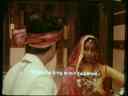
The image shows two individuals in traditional attire, with one person wearing a red and yellow outfit adorned with intricate jewelry. The background appears to be a wooden structure, possibly a palace or a historical building. The text in the image reads, "When the king is our audience."
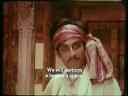
The image shows a person wearing a colorful headscarf and traditional attire, standing in front of a stone structure with intricate carvings. The background suggests a historical or cultural setting, possibly in a region with a rich tradition of architecture. The text in the image reads, "We will perform a beggar's opera."
The image shows a person seated on a richly decorated couch, wearing traditional attire with intricate patterns and a large turban adorned with a plume. The background features ornate wall decorations and a red sun-like object. The setting appears to be a luxurious and culturally significant space, possibly in a palace or a historical building.
The image shows a person wearing a white shirt and a red and white headscarf, standing in front of a wooden structure with intricate carvings. The person is smiling and appears to be in a relaxed posture. The background features a wooden pillar and a wall with detailed carvings, suggesting a traditional or cultural setting. The person's attire and surroundings hint at a possible location in a region known for its craftsmanship and cultural heritage.
The image shows three individuals dressed in traditional attire, with one person in the center wearing a headscarf and gesturing with their hand. The background features ornate wooden panels and a mirror, suggesting a setting that could be a home or a place of gathering. The individuals appear to be engaged in a conversation or discussion. The text in the image reads, "Let it be known. Let it be known."
The image shows a person seated on a richly decorated throne, surrounded by ornate wooden carvings and traditional attire. The individual is dressed in elaborate clothing, with a headpiece that suggests a royal or ceremonial significance. Two attendants stand on either side, holding ceremonial staffs. The setting appears to be a palace or a grand hall, with intricate designs and patterns visible on the floor and furniture. The text in the image reads, "Be generous, be kind."
The image shows a traditional wooden structure with intricate carvings, likely a part of a temple or a historical building. A person in traditional attire is standing on a balcony, observing the scene below. The setting appears to be in a region with a rich cultural heritage, possibly in South Asia. The text in the image reads: "He gets you to heaven at a nominal price."
The image shows three individuals dressed in traditional attire, with one person in the foreground wearing a white shirt and a red headscarf. The background features ornate wooden panels and a decorative mirror, suggesting a setting that could be a cultural or historical venue. The individuals appear to be engaged in a conversation or a performance, with expressive gestures.
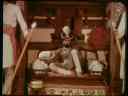
The image shows a person seated on an ornate wooden throne, dressed in traditional attire with a turban and jewelry. The throne is elaborately carved, and the person appears relaxed, with one leg crossed over the other. Two individuals stand on either side of the throne, holding ceremonial staffs. The setting suggests a regal or ceremonial environment, possibly in a historical or cultural context. The geographic location appears to be South Asia, as indicated by the traditional attire and the style of the throne.
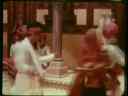
The image shows a group of people in traditional attire, engaged in what appears to be a cultural or ceremonial activity. The setting includes a large pillar and a decorative backdrop, suggesting a formal or historical location. The individuals are dressed in vibrant colors, with some wearing head coverings. The scene appears to be indoors, with a focus on a central area where the activity is taking place.
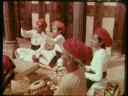
The image shows a group of individuals seated in a traditional setting, engaged in what appears to be a musical or cultural activity. They are dressed in white garments and red turbans, and some are holding instruments. The setting includes wooden pillars and a stone floor, suggesting an indoor environment with cultural or historical significance. The text visible in the image is in English, and it reads: "The Indian Music."

The image shows two individuals standing in what appears to be an indoor setting with traditional architectural elements, such as wooden doors and decorative panels. The person on the left is wearing a white outfit with a headscarf, while the person on the right is dressed in colorful attire with a head covering. The setting suggests a cultural or historical context, possibly in a region with a rich tradition of craftsmanship and architecture.
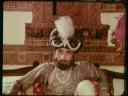
The image shows a person seated on a richly decorated couch, wearing traditional attire that includes a turban adorned with a white feather. The background features intricate wooden carvings and patterns, suggesting a setting of cultural or historical significance. The person appears to be in a relaxed posture, possibly engaged in conversation or contemplation. The setting suggests a location in a region with a strong tradition of craftsmanship and cultural heritage, possibly in the Middle East or Central Asia.
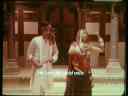
The image shows two individuals in traditional attire, with one person wearing a white outfit and the other in a red and black ensemble. They appear to be engaged in a dance or performance, with one person holding a prop and the other gesturing. The background features ornate architectural elements, including pillars and decorative panels, suggesting a cultural or historical setting. The text in the image reads, "He lusts for cold coin."
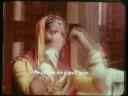
The image shows a person wearing traditional attire, including a yellow garment and a red head covering. The person appears to be holding something in their hand, possibly a coin, and is in a posture that suggests they are engaged in an activity. The background includes wooden structures, possibly indicative of a rural or traditional setting. The text in the image reads, "He craves for a gold coin."
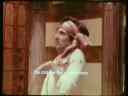
The image shows a person wearing a headscarf and a white garment, standing in front of a brick wall with a door. The person appears to be in a relaxed posture, with one hand resting on their chest. The setting suggests an indoor environment, possibly a room or a hallway. The brick wall and door hint at a location that could be in a historical or traditional building.
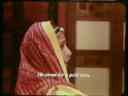
The image shows a person wearing a red and yellow garment, with a patterned design. The background appears to be a wooden structure, possibly a door or wall, with a rectangular panel. The person is facing to the right, and there is a visible text overlay in English that reads, "He pines for a gold coin." The setting seems to be indoors, possibly in a traditional or rural environment.
The image shows a person wearing a white garment and a patterned scarf, leaning forward. The background appears to be a wooden structure with a grid-like pattern, possibly a wall or partition. There is a red object in the background, which might be a decorative item or a piece of furniture. The text in the image reads, "He pines for a cold coin."
The image shows a person wearing traditional attire, including a headscarf and jewelry, standing in front of a structure that appears to be a pillar or column. The background includes a wall with rectangular patterns. The person is holding something in their hand, possibly a coin or a small object. The text in the image reads, "Only a gold coin."
The image shows a person wearing a white shirt and a red headscarf, standing in front of a brick wall. The person appears to be looking upwards, possibly at something out of the frame. The background includes a mix of brick and painted surfaces, suggesting an indoor or semi-outdoor setting. The text in the image reads, "Only a gold coin."
The image shows a person dressed in traditional attire, sitting on a richly decorated couch. The background features intricate patterns and designs, suggesting a setting of cultural or historical significance. The person appears to be engaged in a conversation or storytelling, as indicated by the text in the image.
The image shows two individuals in a lively dance pose. One person is wearing a red dress, and the other is dressed in a light-colored suit. The setting appears to be a spacious, open area, possibly a dance floor or a courtyard. The text in the image reads, "A gold coin... a gold coin..."
The image shows a person wearing a red garment with a yellow inner layer visible. The background appears to be indoors, possibly in a dimly lit area. The person is standing, and there is another figure partially visible to the left. The setting seems to be a public or communal space.
The image shows a person standing on a balcony with a decorative railing. The individual is wearing traditional attire, including a patterned garment and jewelry. The balcony has intricate designs, and the background suggests an urban setting. The person appears to be smiling and looking outward.
The image shows two individuals dressed in traditional attire. One is standing, wearing a white outfit with a red headscarf, while the other is seated, wearing a red and yellow garment with intricate patterns. The setting appears to be an open, flat area, possibly a courtyard or a plain ground. The attire and surroundings suggest a cultural or traditional context, possibly in a region where such clothing is common.
The image shows a person wearing a white garment and a red headscarf, standing against a plain background. The person appears to be gesturing with their hands, possibly in a playful or expressive manner. The text in the image reads, "Got it, I got." The person's attire and the setting suggest a possible Middle Eastern or desert-like environment.
The image shows a group of people in a traditional setting, with ornate wooden structures and intricate carvings visible in the background. The individuals are dressed in traditional attire, with some wearing turbans and others in simple white garments. The atmosphere appears lively, with one person holding a small object and gesturing animatedly. The text in the image reads, "I have got a gold coin."
The image shows two individuals dressed in traditional attire. One person is wearing a red and yellow garment with intricate patterns, while the other is dressed in a white outfit with a sash. They appear to be engaged in a conversation or interaction. The background features a structure with pillars and decorative elements, suggesting a cultural or historical setting. The possible geographic location could be in a region known for traditional clothing and architecture, such as South Asia or the Middle East.
The image shows a group of individuals in traditional attire, with one person seated on a raised platform, surrounded by others standing in a formal arrangement. The setting appears to be indoors, with wooden structures and a warm, earthy tone. The person seated is dressed in elaborate clothing, with a headpiece and a decorative sash, suggesting a position of authority or ceremonial significance. The standing individuals are dressed in white garments with red sashes, and some wear turbans. The scene seems to be part of a formal gathering or ceremony. The possible geographic location could be in a region with a historical tradition of royal or ceremonial gatherings, such as India or a neighboring country.
The image shows two individuals dressed in traditional attire, with one person in the foreground wearing a yellow and red outfit, adorned with jewelry, and performing a gesture. The other person in the background is wearing a white outfit and appears to be holding a cloth to their face. The setting includes a column and a structure that resembles a traditional building, possibly in a historical or cultural site. The possible geographic location is likely a region in South Asia, such as India or Pakistan, based on the attire and architectural style.
The image shows a man seated on a throne-like chair, wearing a turban adorned with a feather and intricate designs. He is dressed in traditional attire, including a patterned robe and a sash. Another person, partially visible, is standing beside him, holding a staff or rod. The setting appears to be a richly decorated room with ornate wooden panels and a decorative ceiling. The possible geographic location could be a region influenced by Middle Eastern or South Asian cultures, given the attire and architectural style.
The image shows a person wearing a red turban and a white garment, standing in front of a wooden structure with a grid-like pattern. The person appears to be gesturing with their right hand raised. The background suggests a traditional or cultural setting, possibly in a region where such attire is common.
The image shows a man seated on a cushioned chair, dressed in ornate clothing with intricate patterns and a turban adorned with a feather. He appears relaxed, with one leg crossed over the other. Another person, partially visible, stands beside him, holding a staff or scepter. The background features a richly decorated wall with patterns and a red circular object. The setting suggests a regal or historical environment, possibly in a palace or a place of significance.
The image shows two individuals sitting on the ground, dressed in traditional attire. One person is wearing a white outfit with a pink headband, while the other is dressed in a colorful outfit with a purple turban. They appear to be engaged in a conversation. The setting seems to be an outdoor area with a stone or concrete floor. The possible geographic location could be a region in South Asia, such as India or Rajasthan, based on the traditional clothing and architectural style.
The image shows a traditional architectural structure with ornate wooden carvings and a decorative railing. There are two figures dressed in traditional attire, possibly engaged in a conversation or activity. The setting appears to be a historical or cultural site, possibly in an East Asian country, given the style of the architecture and clothing.
The image shows a group of people in traditional attire, with one person in the foreground wearing a bright yellow outfit and a red turban, gesturing energetically. The background features a wooden structure with intricate carvings, and the setting appears to be indoors. The scene suggests a cultural or ceremonial event. The geographic location appears to be in a region with a warm climate, possibly in South Asia or the Middle East.
The image shows a person standing near a railing, wearing traditional attire, including a turban. The background features ornate architectural details, possibly indicative of a historical or cultural site. The person appears to be holding a stick or staff. The setting suggests a location with a rich cultural heritage, possibly in South Asia.
The image shows a group of individuals dressed in traditional attire, with some wearing turbans and others in white garments. The setting appears to be indoors, with wooden structures and pillars visible in the background. The individuals seem to be engaged in a conversation or discussion. The text in the image reads, "I am the commander. I represent blonder."
The image shows two individuals standing in front of a large wooden door, which appears to be part of a grand structure with ornate columns. One person is dressed in a colorful, traditional outfit with a turban, while the other is wearing a white garment with a headscarf. The setting suggests a historical or cultural location, possibly in a region with a rich tradition of craftsmanship and architecture. The text in the image reads: "The coin has the king's seal. How dare you touch and feel?"
The image shows a person seated on a richly decorated couch, wearing traditional attire with a turban adorned with a feather. The background features intricate wooden carvings and a large red decorative object. The setting appears to be a historical or royal environment, possibly in a palace or a place of cultural significance.
The image shows a group of people standing on a flat, light-colored surface. They appear to be wearing traditional clothing, with some individuals in white and others in red. The scene includes a few objects, such as a red circular structure on the left and a rectangular object on the top. The setting seems to be an open area, possibly a courtyard or a plaza. The people are positioned in a way that suggests they are engaged in a social or cultural activity.
The image shows a group of people engaged in a lively dance in what appears to be an indoor setting with wooden walls and a stone floor. The participants are dressed in traditional attire, with vibrant colors and patterns. The scene suggests a cultural or festive gathering, possibly in a region with a rich tradition of dance and music.
The image shows a person dressed in elaborate, traditional attire, sitting on a richly decorated bed with intricate patterns and designs. The background features ornate wooden panels and a red circular object with a fringe, suggesting a setting of cultural or historical significance. The person appears to be gesturing with one hand raised, possibly in a gesture of greeting or emphasis. The setting seems to be a room with a traditional aesthetic, possibly in a region known for its rich cultural heritage.
The image shows a wooden structure with intricate carvings, possibly part of a traditional building. A person wearing a colorful headscarf and a long dress is standing near the railing, looking out. Another person is visible in the background, dressed in lighter clothing. The setting appears to be a balcony or veranda, with a railing and wooden posts. The architecture suggests a location with a warm climate, possibly in a region known for wooden craftsmanship.
The image shows a group of people in a square-like area, with some standing and others sitting on the ground. The ground appears to be made of concrete, and there are a few red-patterned objects, possibly rugs or mats, placed around the perimeter. The people are wearing red caps and white clothing, and they seem to be engaged in a conversation or activity. The setting appears to be outdoors, possibly in a courtyard or open space.
The image shows a person lying on a richly decorated wooden bed with intricate carvings. The bed is adorned with a red canopy and ornate pillars, suggesting a traditional or historical setting. The person appears to be resting or sleeping, dressed in what looks like traditional attire. The surroundings are detailed and suggest a cultural or historical context, possibly from an Asian region.
The image shows a group of people wearing red hats and white clothing, gathered in a sandy area. They appear to be engaged in a communal activity, possibly playing or working together. The setting seems to be a desert or arid region, with a few small red and patterned objects scattered around. The people are positioned in a way that suggests they are interacting with one another, possibly in a social or cultural gathering.
The image shows a person seated on a richly decorated wooden throne, surrounded by intricate carvings and ornate designs. The individual is dressed in traditional attire, including a turban, and appears to be in a relaxed posture. The setting suggests a regal or ceremonial environment, possibly in a palace or a place of historical significance. The architecture and design elements hint at a location in South Asia, such as India or Pakistan.
The image shows two individuals walking along a dirt path in a natural, rocky landscape. The terrain is uneven, with a prominent rock formation to the left and a large boulder to the right. The vegetation appears sparse, with some shrubs and grasses visible. The sky is clear, suggesting a sunny day. The geographic location seems to be a dry, arid region, possibly a desert or semi-desert area.
The image shows a rugged, dry landscape with uneven terrain. There are three individuals visible, seemingly navigating the rocky area. The terrain appears to be arid, with sparse vegetation and a few scattered trees in the background. The geographic location seems to be a dry, possibly semi-desert region.
The image shows a person sitting under a thatched roof, with a large clay pot nearby. The surroundings appear to be arid, with a few other structures visible in the background. The person is dressed in traditional clothing, and the scene suggests a rural or desert environment. The text in the image reads: "Cook with a cold heart. You don’t care for us."
The image shows a rural setting with a thatched-roof hut made of natural materials like mud or clay. A person is seated in front of the hut, and another individual is visible in the background. The environment appears dry and arid, with sparse vegetation. The text in the image reads, "Poor Life must be hungry."

The image shows a dark, shadowy area with a faint light source at the top. The terrain appears uneven and rocky, with a mix of light and shadow creating a sense of depth. The area seems to be a natural landscape, possibly a mountainous region.
The image shows two individuals in a dimly lit, rustic setting. One person is seated on a stone surface, wearing a white garment, while the other person, dressed in a red and yellow outfit, leans in closely. The background appears to be a rough, earthen wall, suggesting a rural or ancient environment. The text in the image reads, "Where do I get the time from chasing you, lo?"
The image shows two individuals in a rustic setting, with one person wearing a red garment and the other in a white shirt. The background appears to be a stone structure, possibly part of a building or wall, with a view of a distant landscape. The scene suggests a rural or historical setting, possibly in a region with a warm climate. The text in the image reads, "These soldiers are after me why must you get into trouble?"
The image shows two individuals sitting near a rustic stone wall. One person is dressed in traditional attire with a red and yellow headscarf, while the other person is wearing a white outfit. The setting appears to be outdoors, with a natural landscape visible in the background. The scene suggests a rural or village environment.
The image shows two individuals standing near a stone structure, possibly a wall or a ruin, in an outdoor setting. One person is wearing a red garment, while the other is dressed in a white shirt with a red sash. The background features a clear sky and a distant landscape with hills or mountains. The scene appears to be in a rural or historical area, possibly in a Mediterranean or Middle Eastern region, given the architectural style and attire.
The image shows a person wearing traditional attire, including a red and black outfit with intricate patterns and accessories. The background appears to be a rocky terrain, possibly a desert or arid region. The person is walking, and the environment suggests a warm climate.
The image shows a person sitting under a shaded area, holding a stick. The surroundings appear to be a rural or natural environment with a dirt path and sparse vegetation. The lighting suggests it is daytime. The text in the image reads, "You are the cause of all trouble."
The image shows a person standing under a thatched roof, wearing traditional attire. The background appears to be rural, with a natural setting and a structure made of natural materials. The person seems to be engaged in a conversation or interaction. The text in the image reads, "Ask that naughty one. She muel know."
The image shows a person wearing traditional attire, including a red headscarf and a yellow garment. The person is adorned with multiple necklaces and earrings, suggesting cultural or regional significance. The background appears to be a barren or dry landscape, possibly a desert or arid region.
The image shows two individuals in a rural setting. One is standing, wearing a white outfit, while the other is seated, dressed in traditional attire with a red and yellow garment. The background appears to be a dry, open area with a clear sky. The text in the image reads, "Cringing cowards, with tails between your legs."
Song: Pacchu vali ne joyu naa......
The image shows a person walking along a dirt path near a river. The landscape is flat, with a wide expanse of water and some greenery in the distance. The sky appears cloudy, and the terrain is dry and earthy. The person is wearing a white garment and a head covering.
The image shows a man sitting outdoors on a sandy surface. He is wearing a white head covering and a necklace, and appears to be engaged in a conversation or activity with another person who is partially visible. The background is barren, with no vegetation or structures visible. The man's posture suggests he is relaxed, leaning back with one arm resting on his knee. The scene appears to be in a rural or desert-like area.
The image shows a person wearing a red garment bending over a basket, possibly engaged in some form of work or activity. There are other individuals nearby, some seated and some standing, and a rustic structure in the background. The setting appears to be rural, with earthy ground and vegetation visible. The geographic location seems to be in a region with traditional rural architecture, possibly in a village or countryside area.
The image shows a person standing outdoors, wearing a white garment and a head wrap. The background appears to be a natural setting with earthy tones, possibly a forest or a rural area. The person seems to be gazing into the distance.
The image shows a person sitting in a dimly lit room with a rustic appearance. The walls appear to be made of stone or brick, and there are some hanging objects visible. The lighting is warm, creating a cozy atmosphere. The person is dressed in dark clothing and appears to be seated comfortably. The setting suggests a rural or traditional environment, possibly in a region with a history of earthen or stone-built homes.
The image shows a person standing on the edge of a hill, silhouetted against a sky filled with clouds. The landscape appears to be natural, with vegetation visible on the hill. The sky is a mix of pink and purple hues, suggesting it might be either sunrise or sunset. The terrain is uneven, with a noticeable slope leading up to the person. The overall scene feels serene and expansive.
The image shows a group of people dressed in traditional attire, with white garments and headbands, gathered around a central figure who appears to be performing or leading a ritual. The atmosphere is smoky, likely from incense or a similar substance, and the setting seems to be outdoors, possibly in a rural or cultural area. The background includes a stone structure and a dimly lit environment, suggesting a nighttime or evening event.
The image shows a dark, nighttime landscape with faint lights scattered across the horizon. The terrain appears uneven, with some areas illuminated by small, distant sources of light. The scene suggests a rural or remote area, possibly a valley or a plain. The text in the image reads, "Nowhere to go, no place to run."
The image shows a person wearing a white garment and a white head covering. The background is dark, and the person appears to be in a dimly lit environment. The person's posture suggests they are standing or sitting still. The possible geographic location is rural, possibly in a region where such attire is common.
The image shows a person wearing a headband, with a visible side profile. The individual appears to be dressed in a simple, light-colored garment, and the background is dark, emphasizing the subject. The person's hair is tied back, and the headband is wrapped around the head. The lighting highlights the side of the face and upper body, creating a dramatic effect. The setting seems to be outdoors, possibly in a rural or historical area.
The image shows a person wearing a white head covering and a light-colored sleeveless garment. The background is dark, and there is a bright light source visible above the person's head. The person appears to be standing in a dimly lit area. The possible geographic location could be a rural or desert region, given the attire and lighting.
The image shows two individuals wearing white clothing and head coverings, sitting in what appears to be a dimly lit environment. One person is holding a tool, possibly a hoe, and the other is seated nearby. The background suggests a rural or agricultural setting, with a thatched structure visible. The lighting is low, and the overall atmosphere appears to be calm and focused.
The image shows a group of individuals wearing white clothing and headbands, engaged in what appears to be a communal activity. The setting seems to be outdoors, possibly in a rural or natural environment, as there is a dark background with some vegetation visible. The individuals are focused on their task, and the lighting suggests it might be evening or nighttime.
The image shows a person wearing a white headband and a sleeveless white garment. The background is dark, with some vegetation visible on the right side. The person appears to be outdoors in a natural setting.
The image shows a person standing in a dimly lit area, possibly at night. The person is wearing a white shirt and a red head covering, and they appear to be holding a small object in their hand. The surroundings are dark, with some rocky formations visible in the background. The text in the image reads, "Ulam come here."
The image shows two individuals sitting against a rocky surface. One person is dressed in white, with a red head covering, while the other is wearing a yellow top and a red shawl. The setting appears to be outdoors, possibly in a desert or arid region.
The image shows two individuals seated in a rustic setting, with a textured stone wall in the background. One person is wearing a white garment, while the other is dressed in colorful attire with a red headscarf. The setting suggests a rural or traditional environment. The text in the image reads, "The king is certain to take revenge."
The image shows a person in a red garment standing near a rocky surface, with another person in a white outfit kneeling nearby. The setting appears to be outdoors, possibly in a desert or rocky terrain. The text in the image reads: "And listen, not a word of your clothes."
The image shows two individuals dressed in traditional attire, with one wearing a red turban and the other a white garment. The background features ornate wooden carvings, suggesting a setting of cultural or historical significance. The text in the image reads, "Rush, Inform the elder green that the prince is in danger."
The image shows a richly decorated interior with intricately carved wooden pillars and arches. The space appears to be a traditional structure, possibly a temple or a historical building, with a warm, earthy tone. The architecture suggests a cultural or religious significance, likely from a region known for its craftsmanship.
The image shows a staircase leading upward, with a red door at the top. The walls are white with black railings, and there is a decorative red and black design on the left wall. The staircase appears to be in a narrow hallway or corridor. The geographic location seems to be a residential or commercial building, possibly in a region with a Mediterranean or European architectural style.
The image shows a person lying on the ground, dressed in traditional attire with a red turban and a purple outfit. The surroundings appear to be a stone or tiled floor, possibly in an outdoor or historical setting. The person seems to be in a relaxed or resting position.
The image shows a person dressed in traditional attire, standing indoors near a staircase. The individual is holding a staff or stick, and the background features a colorful, patterned textile hanging on the wall. The setting appears to be a culturally rich environment, possibly in a region known for such attire and decor.
The image shows two individuals in a rocky desert-like environment. One person is seated on a rock, wearing a red and yellow outfit, while the other person is crouched nearby, dressed in white. The setting appears to be a dry, arid region with large boulders and sparse vegetation. The text in the image reads, "The king will hunt you out of hell itself!"
The image shows a person bending over, possibly picking something up or examining the ground. There are other people in the background, some on horseback, and a large tree or bush in the distance. The terrain appears to be sandy or rocky, and the sky is clear. The text in the image reads "Greetings, earth."
The image shows a person standing outdoors in a rural area, with a background of what appears to be a cemetery or a collection of tombstones. The person is wearing a headband and a light-colored garment, and they are holding something in their hands. The setting appears dry and arid, with sparse vegetation. The text in the image reads, "I am the killing of the mortified."
The image shows three individuals wearing traditional attire, including turbans, sitting outdoors in what appears to be a rural or semi-arid area. The landscape is flat, with sparse vegetation and a clear sky. The individuals are dressed in clothing that suggests a cultural or regional identity, possibly from a South Asian or Middle Eastern region. The text in the image reads, "but on one condition."
The image shows a person standing outdoors in a rural area. They are wearing a white headband and a sleeveless shirt, holding a tool or object in their hands. Behind the person, there is a row of small, rectangular structures that appear to be tombs or graves. The ground is dry and grassy, and the sky is clear. The geographic location seems to be a dry, arid region, possibly in a desert or semi-desert area.
The image shows three individuals riding on what appears to be a herd of animals, possibly camels or horses, in a desert-like environment. The person in the foreground is wearing a red garment and a headpiece, while the other two individuals are dressed in lighter clothing. The landscape is arid, with a flat terrain and sparse vegetation visible in the background.
The image shows a group of people riding horses along a dirt path in a rural area. The landscape is flat with sparse vegetation, and the terrain appears dry. The group is moving away from the viewer, and there is a person standing on the right side of the image, possibly observing or interacting with the riders. The text in the image reads, "He will speak only to the king."
The image shows a group of people walking along a dirt path in a rural area. There are three individuals on horseback and one person walking alongside them. The landscape is flat and open, with a river or body of water visible in the background. The vegetation appears sparse, with some bushes and small plants along the path. The text in the image reads, "I need tea."
The image shows a group of people in a rural setting. The terrain is rocky, and there are small structures in the background, possibly huts or dwellings. The people are dressed in traditional clothing, with some wearing head coverings. The scene appears to be outdoors, under a clear sky.
The image shows a group of people in a rural setting. Two individuals are riding horses, while another person stands nearby, observing them. The landscape is flat and open, with sparse vegetation and a river visible in the background. The terrain appears dry and arid, suggesting a desert or semi-desert region.
The image shows a person standing under a large tree with hanging branches. The individual is wearing traditional attire, including a red and yellow garment, and appears to be gesturing or reaching up towards the tree. The background suggests a rural or natural setting, possibly in a warm climate. The text in the image reads, "Uhm, I am sweating all over."
The image shows a group of people gathered in a rustic outdoor setting, surrounded by large, gnarled trees. The individuals are dressed in traditional attire, with vibrant red and yellow garments. The scene appears to be set in a rural area, possibly in a region with a warm climate.
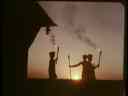
The image shows three silhouettes standing against a sunset, each holding a torch. The scene appears to be set in a rural or open area, with a structure visible on the left side. The sky is a gradient of warm colors, and the sun is low on the horizon. The silhouettes are likely engaged in a ceremonial or celebratory activity, as the torches emit smoke. The geographic location seems to be a rural area, possibly in a region where such gatherings are common.
The image shows a person wearing a white shirt and a red turban, holding a tall, ornate lamp with a flame at the top. The background features a wooden door with intricate carvings and a shelf with glassware. The setting appears to be indoors, possibly in a traditional or cultural location.
The image shows a group of performers in a dimly lit area, with a central figure standing on the shoulders of two others. The performers are holding torches, and the scene appears to be taking place in an open courtyard or amphitheater. The setting suggests a cultural or ceremonial event, possibly in a region with a tradition of fire performances.
The image shows a group of people gathered in a dimly lit area, possibly a cave or an underground space. The individuals are wearing traditional clothing, with patterns and designs visible on their garments. The lighting is low, creating a warm and intimate atmosphere. The setting appears to be a communal or social gathering, with people standing close together. The location seems to be in a rural or indigenous area, possibly in a region known for such traditional attire and gatherings.
The image shows a person riding a horse across a sandy terrain. The rider is wearing a hat and appears to be moving forward. The background consists of a barren, rocky landscape with a dusty, dry environment. The terrain suggests a desert or arid region.
The image shows a group of people, some on horseback and others walking, in a rural setting with a dirt path. The terrain appears dry and dusty, with sparse vegetation and a few structures in the background. The people are dressed in traditional attire, and the overall scene suggests a rural or agricultural community. The text in the image reads, "Don't harass the poor O'King."
The image shows a person crouching in a rocky, uneven terrain, possibly a cave or a natural formation. The surroundings are rugged, with visible rock formations and uneven surfaces. The lighting is dim, suggesting an enclosed or shaded environment. The person appears to be wearing a red and yellow garment, and there is a visible shadow cast on the ground. The terrain looks dry and barren, with no vegetation in sight. The location appears to be a dry, rocky area, possibly in a desert or arid region.
Song: "Bol! Raja tene Qubool che ke nahin..."
The image shows two individuals walking on a dirt path in a rural setting. One person is wearing a long skirt and a red shawl, while the other is dressed in white pants and a sleeveless top. In the background, there are several other people standing and observing, with a rocky, dry landscape visible. The scene appears to be in a warm, arid region, possibly in a rural village or countryside.
The image shows a person standing outdoors in a sandy area, possibly near a rocky or desert-like terrain. The person appears to be holding something in their hands, possibly a cloth or fabric. The background includes some vegetation and rocky formations.
The image shows a group of people riding horses in a rural setting. The terrain is dry and dusty, with sparse vegetation and a few small trees. The people appear to be wearing traditional clothing, and some are carrying items on their backs. The scene suggests a rural or agricultural environment, possibly in a region with a warm climate.
The image shows two individuals dressed in traditional attire, sitting on what appears to be a camel or a similar animal. One person is wearing a red outfit with a turban, while the other is in a green outfit with a headpiece. The background suggests a desert-like environment with a vast, open landscape. The text in the image reads, "O, king do you agree or not."
The image shows a group of people gathered outdoors in a rural setting. The terrain is uneven, with some vegetation visible, and the people appear to be engaged in a communal activity. The scene is likely in a warm climate, possibly in a region where agriculture or livestock farming is common.
The image shows a rural setting with a few people in traditional attire. There are structures made of natural materials like wood and stone, and the ground appears dry and dusty. The people seem to be engaged in daily activities, with one person walking and others standing or moving. The background features a rocky terrain, suggesting a mountainous or hilly region.
The image shows a person wearing a turban with a feather, dressed in traditional attire, standing outdoors. The background appears to be a flat, open landscape with a clear sky. The person is facing slightly to the left, and there is a visible plume of smoke or dust rising near their head. The text in the image reads: "My head is like your head."
The image shows a group of people walking along a sandy, rocky terrain. The landscape appears arid, with sparse vegetation and a distant horizon. The people are dressed in light clothing, and the scene suggests a warm climate. The text in the image reads, "We won't wear this yarn on the head anymore."
The image shows a rural village with thatched huts, people dressed in traditional clothing, and a dusty, dry environment. The structures appear to be made of natural materials such as straw and wood. The people seem to be engaged in daily activities, possibly related to farming or village life. The setting suggests a warm climate, possibly in a region where agriculture is a primary livelihood.
The image shows a group of people walking on a sandy terrain with sparse vegetation. There is a structure in the background, possibly a building or a wall, and the sky is clear. The terrain appears dry and arid, suggesting a desert-like environment. The text in the image reads, "The source of our lives is the same. O King."
The image shows a group of people gathered outdoors, with some standing on a rocky slope and others near a structure that appears to be a building or a shelter. The individuals are dressed in traditional attire, and some are wearing hats. The scene appears to be in a dry, arid environment, possibly in a desert or semi-desert region. The sky is clear, and the overall setting suggests a warm climate.
The image shows a group of people walking along a narrow path in a rural area. The path is flanked by simple structures made of natural materials, and the terrain is uneven with hills in the background. The people are dressed in traditional clothing, with some wearing brightly colored garments. The scene appears to be in a dry, arid region, possibly in a desert or semi-desert area.
The image shows a group of people gathered in a rural area with rocky terrain. Some individuals are standing, while others are seated on the ground. The setting appears to be a village or community, with simple structures and vegetation visible. The scene suggests a warm climate, possibly in a desert or semi-arid region.
The image shows a group of people standing near a building surrounded by dense vegetation. The vegetation appears to be thorny, possibly cactus-like, and the people are wearing hats, suggesting a sunny environment. The text in the image reads, "This is my cohllion."
The image shows a group of people walking together, some on foot and others riding horses. The terrain is rocky and arid, with a structure resembling a wall or fortification in the background. The people appear to be dressed in traditional clothing, with some wearing head coverings. The scene suggests a rural or historical setting, possibly in a desert or mountainous region.
The image shows a rural village with thatched huts scattered across a dry, arid landscape. A group of people is visible in the distance, possibly engaged in communal activities. The terrain appears to be flat, with sparse vegetation. The scene suggests a warm climate, possibly in a region with a dry season.
The image shows a person wearing a traditional headpiece with a white plume, riding a horse. The person is dressed in a camouflage-patterned outfit, and the background features a vast, open landscape with sparse vegetation and a clear sky. The terrain appears dry and flat, suggesting a desert or semi-arid region.
The image shows a group of people walking uphill, with some on horseback. The terrain appears rocky and dry, and there is a structure resembling a fort or wall in the background. The people are dressed in traditional attire, with some wearing hats. The scene seems to be set in a rural or historical area, possibly in a region with a warm climate.
The image shows a person standing in a vast, open landscape. The terrain appears dry and barren, with a flat expanse stretching into the distance. The sky is clear, and the horizon is visible. There is a flag in the background, which seems to be waving in the wind. The person is facing away from the camera, and their clothing suggests they might be dressed for a warm climate.
The image shows a person standing near a body of water, surrounded by sparse vegetation. The terrain appears to be sandy or rocky, and there is a tree or bush in the foreground. The person seems to be engaged in an activity, possibly fishing or observing something in the water. The environment suggests a natural, possibly coastal or riverine setting.
The image shows a group of individuals seated on a raised platform in what appears to be a traditional setting. The central figure is dressed in a red outfit with a matching head covering, while others wear white garments with red turbans. The background features wooden pillars and a stone floor, suggesting a historical or cultural location. The scene appears to be a gathering or meeting, possibly in a courtyard or a similar open space.
The image shows two individuals seated on a richly decorated platform. One is dressed in green and white, with a turban and a beard, while the other wears red and white attire, with a turban and a mustache. The setting appears to be a traditional indoor space with ornate wooden furniture and a red cushion. The text in the image reads, "Give in a little and they will ask more."
The image shows a person wearing a red turban and traditional attire, with a background featuring intricate wooden carvings and decorative patterns. The setting appears to be indoors, possibly in a culturally significant or historical location. The person is seated, and the background suggests a setting with cultural or artistic significance.
The image shows a person wearing a turban adorned with a white feather, sitting on a bed with a patterned blanket. The person is dressed in a green garment with white circular patterns. The background features a wooden headboard and a wall with decorative carvings. The setting appears to be a traditional or historical room, possibly in a palace or a culturally significant location. The text in the image reads, "Can't we use force?"
The image shows three individuals seated in a richly decorated room with ornate wooden columns and intricate designs. The person in the center wears a turban and traditional attire, while the others are dressed in colorful garments. The setting appears to be a historical or cultural location, possibly in a region with a strong tradition of royal or ceremonial gatherings. The text in the image reads: "Then he will kill himself and become a martyr."
The image shows a person wearing a traditional headpiece adorned with a white feather and intricate designs, sitting on a wooden bed with a patterned blanket. The person is dressed in a shiny, gold-colored garment, and their hands are gesturing in front of them. The background includes a wooden headboard and a decorative wall. The text in the image reads, "A martyr becomes a myth."
The image shows a person dressed in traditional attire, with a red garment and multiple necklaces. They are holding a sword with both hands, and their hands are adorned with metallic bangles. The person appears to be seated, and the background is plain and light-colored. The text in the image reads, "And it is more difficult..."
The image shows a person with a mustache and beard, wearing traditional attire and a beaded necklace. The person appears to be in a contemplative or thoughtful pose, with one hand near the mouth. The background is plain and does not provide much detail about the location. The text in the image reads, "To kill a myth than a man."
The image shows a hand gently holding a delicate chain, with a soft, textured background. The chain appears to be metallic, and the hand is positioned delicately, suggesting a sense of care or contemplation. The background has a subtle, wavy pattern, and there is a faint star-like symbol visible in the upper right corner. The text in the image reads, "To kill a myth than a man."
The image shows a close-up of a person's face, with a focus on the ear and hand. The person appears to be wearing a light-colored garment, and there is a visible ring on one of their fingers. The background is plain and does not provide much context about the location.
The image shows a person wearing a patterned garment with a pearl necklace, holding their hands together in front of them. The hands are adorned with rings, and the person appears to be in a relaxed posture. The background is slightly blurred, but it seems to be indoors, possibly in a setting with cultural or traditional significance. The text in the image reads, "Let it be a deal instead."
The image shows a person wearing a pearl necklace and a white garment with a subtle floral pattern. The person is holding their hands together in front of them, with fingers slightly bent. The background appears to be light-colored, possibly a wall or fabric. The possible geographic location is not clear, but the attire and necklace suggest a formal or traditional setting.
The image shows a person wearing a traditional headpiece adorned with pearls and jewels. The headpiece is elaborate and appears to be part of a ceremonial or cultural attire. The person has a prominent red mark on their forehead, which is commonly seen in certain cultural or religious contexts. The background is blurred, but it suggests an indoor setting with warm lighting. The person appears to be in a close-up shot, focusing on their head and upper shoulders. The attire and headpiece indicate a possible connection to South Asian or Middle Eastern cultural traditions.
The image shows a person wearing a red garment, sitting with their hands resting on their knees. The person is wearing a ring on one hand and a bracelet on the other. The background appears to be a textured wall, possibly made of stone or brick. The scene seems to be indoors, with a warm and earthy tone. The text in the image reads, "Five conditions for a head... not a bad deal."
The image shows a person wearing a traditional headpiece adorned with pearls and jewels. The headpiece is intricately designed, with a prominent central ornament. The person has a red mark on their forehead, which is commonly seen in certain cultural or religious contexts. The background appears blurred, but it suggests an indoor setting with warm lighting. The person's expression is serious, and they seem to be engaged in a moment of contemplation or reflection.
The geographic location appears to be in a region where traditional attire and headpieces like this are common, possibly in South Asia or the Middle East. The setting suggests a cultural or ceremonial context.
The text in the image reads: "And what is lost can always be regained by other means."
The image shows a small shrine with intricate carvings on its roof and pillars. Two individuals in traditional attire are kneeling in front of the shrine, appearing to perform a ritual or prayer. The setting suggests a cultural or religious significance, possibly in a South Asian or Middle Eastern region. The text in the image reads: "And what is lost can always be regained by other means."
The image shows a group of individuals dressed in traditional attire, gathered in a circular formation. The setting appears to be indoors, with a stone floor and walls visible in the background. The individuals are wearing colorful turbans and robes, and some are seated on patterned mats, while others are standing. The scene suggests a formal or ceremonial gathering, possibly in a historical or cultural location.
The image shows a rustic, rural setting with a thatched roof structure, likely a dwelling or storage area. There are several earthenware pots and containers placed around the structure, and a small tree or bush is visible to the right. The ground appears dry and dusty, and the overall scene suggests a rural or agricultural environment. The structure seems to be built from natural materials like clay or wood, and the surroundings indicate a dry, possibly arid climate.
The image shows a person standing in a dry, open area with a river or body of water in the background. The person is wearing a red headscarf and a white shirt, and appears to be gesturing with their hands. The landscape is flat with sparse vegetation, and there are trees visible in the distance. The geographic location seems to be a dry, arid region, possibly in a desert or semi-desert area.
The image shows a group of people gathered in a rural area, with a structure resembling a traditional hut in the background. The terrain appears dry and arid, with sparse vegetation. The scene is set against a backdrop of hills or rocky terrain. The text in the image reads, "The king has accepted Jivo's conditions."
The image shows a person standing in a rural setting, surrounded by a thatched structure and vegetation. The person appears to be wearing traditional clothing, and there are animals, possibly goats, nearby. The environment suggests a dry, arid region with sparse vegetation. The text in the image is not fully legible, but it appears to be in a script that could be Arabic or a similar language.
The image shows a large group of people gathered in an open area, possibly a desert or rocky terrain. Many individuals appear to be standing or walking, while others are seated or resting. The background features a rugged landscape with a wall or structure running along the top of the hill. The scene appears to be outdoors, with natural lighting suggesting daytime.
The image shows a group of people dancing outdoors in a lively atmosphere. The scene appears to be a celebration or festival, with individuals dressed in traditional attire. The background is slightly hazy, possibly due to smoke or fog, adding to the festive mood. The setting seems to be rural, as indicated by the open space and the absence of urban structures. The text in the image reads: "From now on, you don't have to stay outside the village limits."
The image shows a group of people in a warm, sunny environment, possibly near a beach or a tropical location. The individuals are dressed in light, flowing clothing, and some are wearing head coverings. The scene appears lively and relaxed, with people engaging in what looks like a social or recreational activity.
The image shows a person standing in a room with a light-colored wall. The person appears to be shirtless, and there is a towel or cloth visible in the foreground. The setting seems to be indoors, possibly in a bathroom or a similar space. The lighting is soft, and the overall tone is neutral.
The image shows a person standing in front of a plain, textured background. The individual appears to be wearing a white outfit, with one arm raised and the other relaxed. The setting seems to be indoors, possibly in a studio or a similar environment. The lighting is soft, and the overall tone of the image is muted.
The image shows a person with their back facing the camera, standing in what appears to be a sandy or dusty environment. The person is shirtless, and their hair is dark and slightly curly. The surroundings seem to be dry and barren, with no visible vegetation or structures. The lighting suggests a warm climate.
The image shows a group of people dressed in traditional attire, engaging in what appears to be a cultural or ceremonial activity. The setting seems to be outdoors, with natural elements like plants and a rustic structure visible in the background. The people are actively participating, with some raising their hands.
The image shows a group of people standing together, with their arms raised in the air. The background appears to be a natural landscape, possibly a mountainous or hilly area, with a dark, rocky terrain. The people seem to be celebrating or participating in an event. The scene is outdoors, and the lighting suggests it might be evening or nighttime.
The image shows a person wearing a red and yellow garment, sitting in a dark, rustic setting. The surroundings appear to be made of natural materials like wood and straw, suggesting a rural or traditional environment. The lighting is dim, and the focus is on the person and their immediate surroundings.
The image shows a group of people dressed in white clothing with red accents, working together to erect a structure made of wooden poles and fabric. They appear to be in a rural or desert-like setting, with a sandy ground and sparse vegetation visible. The scene suggests a communal effort, possibly related to shelter or a gathering place.
The image shows a person with a long beard and hair, sitting in a dimly lit room. There is a hanging object resembling a bell or a weight suspended by a chain. The background includes a plain wall and a wooden structure. The person appears to be wearing a simple garment. The setting suggests a rustic or historical environment, possibly in a rural or old-fashioned location.
The image shows three individuals sitting on the ground in a rustic setting. They appear to be engaged in a conversation or interaction. The environment includes chains hanging from the ceiling, a rough wall, and hay on the floor. The individuals are dressed in traditional clothing, suggesting a rural or historical context. The possible geographic location could be a rural area in a region where such attire is common.
The image shows two individuals dressed in traditional attire, sitting in a room with a wooden wall and a plain white wall in the background. Both individuals are wearing red turbans and white garments, and one is holding a small object in their hands. The setting appears to be indoors, possibly in a residential or cultural area. The wooden wall has a decorative pattern, and the individuals seem to be engaged in a quiet activity.
Two individuals are seated on a straw-covered floor, engaged in a conversation. One person is dressed in a pink outfit with white accents, while the other wears a beige outfit with red and black details. The setting appears rustic, with a hanging object and a small table visible in the background. The scene suggests a rural or traditional environment, possibly in a region where such attire is common.
The image shows a person wearing a red headscarf with white patterns, a white garment, and a prominent mustache. The individual appears to be indoors, standing near a wooden door with a circular decorative element. The setting suggests a traditional or rustic interior, possibly in a region with a warm climate.
The image shows a person behind bars, wearing a red turban and a white shirt. The bars appear to be part of a prison cell. The person is looking through the bars and appears to be asking, "What is all this?" The background suggests a confined space with a grid-like structure. The setting seems to be in a region where such attire is common, possibly in South Asia.
The image shows two individuals in traditional attire, one sitting on the ground and the other kneeling. The setting appears to be a rustic, rural environment with straw on the floor and a wooden structure in the background. The hanging chains and the overall ambiance suggest a historical or cultural context. The clothing and surroundings hint at a possible Eastern or Central Asian locale.
The image shows a person wearing a red headscarf and white clothing, standing behind metal bars. The background appears to be a wooden structure with a grid-like pattern. The person seems to be in a confined space, possibly a cell or a small room. The setting suggests a location with wooden architecture, possibly in a rural or traditional area.
The image shows three individuals in a rustic setting. One person is standing, wearing a white outfit with a red sash, while two others are seated on the ground. One of the seated individuals is wearing a purple garment, and the other is dressed in a light-colored outfit. The scene appears to be indoors, with straw or hay on the floor and a hanging object in the background. The text in the image reads, "What's wrong with the old man?"
The image shows three individuals standing in front of an intricately carved stone structure. The structure appears to be part of a historical or cultural site, with detailed carvings and architectural elements. The individuals are dressed in traditional attire, with vibrant colors and patterns. The setting suggests a location with a rich cultural heritage, possibly in a region known for its historical architecture.
The image shows a grand architectural structure with intricate carvings on the pillars and walls. There are four individuals dressed in white, standing in a line facing each other, with red turbans on their heads. The setting appears to be a historical or cultural site, possibly in a region known for its rich heritage and craftsmanship. The text in the image reads, "King Chakrason arrives..."
The image shows a person wearing a golden turban adorned with a white feather, and a richly decorated garment with intricate patterns. The background appears to be a stone wall, possibly part of a historical or cultural site. The person seems to be dressed in traditional attire, suggesting a possible connection to a region known for such clothing styles.
The image shows a person dressed in traditional attire, standing at the center of a stone staircase. They are flanked by two individuals in white garments with red sashes, holding flags and staffs. The setting appears to be a historical or cultural site, possibly in a region with a rich tradition of architecture and ceremonial practices.
The image shows a person standing in a dimly lit area, adorned with a garland around their neck and a flower crown on their head. They are wearing a red garment, and the background features pillars and other individuals dressed in traditional attire. The setting appears to be a cultural or ceremonial event, possibly in a tropical or subtropical region.
The image shows a group of people gathered closely together, leaning over a stone surface with intricate carvings. The individuals are dressed in traditional attire, with some wearing head coverings. The background features a natural landscape with trees and a clear sky. The setting appears to be rural, possibly in a region with a warm climate.
The image shows a person wearing a traditional turban adorned with intricate designs and a plume. The individual is dressed in ornate clothing, likely made of rich fabric, and is accessorized with jewelry. The background appears to be a stone structure, possibly part of a historical or cultural site. The setting suggests a location in South Asia, possibly India, given the style of the attire and architecture.
The image shows a man standing in the foreground, adorned with a garland of flowers around his neck and a flower crown on his head. He is wearing a necklace and appears to be engaged in a ritual or ceremonial activity. In the background, there are several people dressed in traditional attire, standing on steps and observing the scene. The setting appears to be a temple or a historical structure with ornate pillars and a grand architectural style. The location seems to be in a region with a rich cultural heritage, possibly in India or a similar region.
The image shows three individuals dressed in traditional attire, sitting in a room with ornate walls. The person on the left wears a red cap and white clothing, the middle individual has a red cap and white garments, and the person on the right is adorned in a golden outfit with a turban. The setting appears to be a historical or cultural location, possibly in a region known for such attire.
The image shows two individuals in what appears to be a historical or cultural setting. One person is standing, holding a large curved weapon, while the other is seated, wearing a headpiece adorned with flowers. The background features intricately carved stone pillars, suggesting a location with ancient architectural influences. The setting appears to be indoors, possibly in a temple or a similar structure.
The image shows a group of people gathered closely together, leaning over a stone railing with intricate carvings. The group consists of individuals wearing traditional clothing, with some in white garments and others in darker attire. The background features a natural landscape with trees and a clear sky. The setting appears to be rural, possibly in a region with a warm climate.
The image shows two individuals in what appears to be a traditional architectural setting. One person is standing, holding a rope or cord, while the other is seated, wearing a floral garland on their head. The background features intricately carved stone pillars, suggesting a historical or cultural site. The setting appears to be indoors, with a sense of grandeur and craftsmanship in the architecture.
The image shows a person standing in front of a set of stone steps, wearing a headpiece made of what appears to be yellow flowers or leaves. The person is holding a rectangular object in front of their face, obscuring it. In the background, there are other individuals standing on the steps, dressed in traditional attire. The setting appears to be outdoors, possibly in a historical or cultural location. The text in the image reads, "The blade comes down."
The image shows a person wearing a traditional turban adorned with intricate designs and a feather-like embellishment. The individual is dressed in ornate clothing, possibly made of silk or a similar material, and is holding a small object near their face. The background appears to be a stone structure, possibly a wall or a part of a building, suggesting a historical or cultural setting. The attire and style suggest a possible connection to South Asian or Middle Eastern regions.
The image shows a person with dark hair, wearing a headpiece that appears to be made of a light-colored material, possibly fabric or feathers. The person is leaning forward, and the background consists of a set of steps leading upward. The setting seems to be outdoors, possibly in a rural or natural environment.
The image shows a circular opening in a structure, possibly a tower or a building, with intricate architectural details around the edges. The opening reveals a clear sky, suggesting it is daytime. The structure appears to be made of stone or brick, with visible wear and design elements that hint at historical or cultural significance. The surrounding architecture suggests it could be located in a region with a rich architectural heritage, possibly in a place with a history of stone-building traditions.
The image shows a person wearing a red and yellow garment, standing in front of a stone wall with a decorative pattern near the top. The person appears to be looking to the left. The stone wall has a textured surface, and the decorative pattern is a series of small, square-shaped indentations. The scene seems to be in a warm, possibly arid region, given the stone construction and the person's attire.
The image shows a person with dark hair wearing a headpiece adorned with yellow flowers. The individual is leaning forward, with their head resting on a wooden surface. The background consists of a set of stone steps, suggesting a location that could be outdoors or in a historic setting.
The image shows a person wearing traditional attire, including a turban adorned with decorative elements and a richly patterned garment. The background appears to be a stone wall, suggesting an indoor or outdoor setting with historical or cultural significance. The person is seated, and there is a visible text overlay in English that reads, "Stop! I stop it."
The image shows a group of individuals dressed in traditional attire, standing on a stone staircase. The setting appears to be a historical or cultural site, possibly in a region with a rich heritage of architecture. The individuals are positioned symmetrically, with some holding objects that resemble ceremonial tools. The text in the image reads, "Stop it, stop it."
The image shows a group of people gathered closely together, leaning over a stone railing with intricate carvings. The individuals are dressed in traditional attire, with some wearing head coverings. The background appears to be a rural or desert-like area with sparse vegetation and a clear sky. The scene suggests a warm climate, possibly in a Middle Eastern or North African region.
The image shows a group of individuals dressed in traditional attire, standing in a symmetrical formation. They appear to be engaged in a cultural or ceremonial activity, with some holding objects that resemble weapons or tools. The setting is a stone structure with intricate carvings, suggesting a historical or cultural significance. The individuals are wearing red turbans and white garments, and the scene appears to be taking place outdoors. The background features a stone archway, and the overall atmosphere suggests a formal or ritualistic event.
The image shows a person with their back facing the camera, sitting on a stone or tiled floor. They are wearing a yellow floral garland around their head and have their arms raised, possibly in a gesture or pose. The setting appears to be indoors, with a plain wall in the background. The person seems to be in a relaxed or ceremonial posture. The location could be a cultural or religious site, possibly in a tropical or warm region, given the floral garland and the attire.
The image shows a person standing in a traditional setting, adorned with garlands and wearing a red garment. The background includes stone structures and steps, suggesting a historical or cultural site. The text in the image reads, "this is a conspiracy."
The image shows a group of people in a dimly lit area, with two individuals in white garments standing near pillars, and a person in the center wearing a red skirt and a headband. Another person is seated on the ground, holding a stick. The text in the image reads, "this is a conspiracy." The setting appears to be an indoor or outdoor area with stone or concrete structures, possibly in a historical or cultural location.
The image shows a group of people standing together, with some of them raising their arms. They appear to be in a lively and joyful moment, possibly celebrating or cheering. The setting seems to be outdoors, with a stone or carved decorative border visible at the bottom of the image. The people are dressed in traditional clothing, suggesting a cultural or regional context. The background appears to be a natural landscape, possibly a mountainous or hilly area.
The image shows two individuals dressed in traditional attire, standing in front of a stone wall. One person is wearing a white outfit with a red head covering, while the other is dressed in a similar style with a red turban. The person on the right is holding a wooden staff. The stone wall behind them appears to be part of a historical or cultural structure. The setting suggests a location with a warm climate, possibly in a region known for its historical architecture.
The image shows a group of individuals dressed in traditional attire, with one person wearing a turban and another wearing a red head covering. The setting appears to be indoors, with a warm and rich ambiance. The individuals are standing close together, and the scene suggests a formal or ceremonial gathering. The geographic location seems to be in a region where traditional clothing is common, possibly in South Asia or the Middle East.
The image shows a group of individuals dressed in traditional attire, standing in a line facing a central figure seated on a raised platform. The setting appears to be a historical or cultural site, with ornate architectural features such as pillars and arches. The individuals are wearing white garments with red accents, and their headgear is red. The central figure is seated in a regal posture, suggesting a ceremonial or formal occasion. The text in the image reads: "He is your son. The prince, my lord."
The image shows a person wearing traditional attire, including a red and yellow garment with intricate designs and jewelry. The person is standing in front of a textured wall with a decorative pattern near the top. The setting appears to be outdoors, possibly in a region with a warm climate.
The image shows a person climbing a set of stone steps in what appears to be an ancient or historical structure. The steps are wide and worn, suggesting frequent use over time. The surrounding architecture features ornate pillars and intricate carvings, hinting at a cultural or religious significance. The person is dressed in traditional attire, with a red garment and a headpiece, which may indicate a ceremonial or cultural context. The setting appears to be in a region with a rich history of architecture and tradition.
The image shows a group of people in traditional attire, with one individual in the center wearing a colorful costume and headgear, possibly a performer or a character in a play. The setting appears to be an indoor stage with ornate architectural details, including pillars and decorative elements. The background features a decorative backdrop with flags and a central structure. The people are seated or standing in a semi-circle, and the overall atmosphere suggests a cultural or theatrical event. The geographic location seems to be in a region with a historical or traditional cultural heritage, possibly in South Asia.
The image shows a person standing in front of a set of stone steps, which lead up to a structure with pillars and intricate carvings. The person is wearing a garland around their neck and appears to be in a traditional or ceremonial setting. The architecture suggests a historical or cultural site, possibly in a region with a rich tradition of stone craftsmanship.
The image shows a large, multi-tiered structure with intricate architectural details, resembling a traditional Indian temple or palace. The structure is surrounded by a crowd of people, many of whom are wearing red turbans, suggesting a festive or ceremonial gathering. The sky above is clear, and there are small flying objects visible, possibly kites or balloons. The structure appears to be made of stone or similar material, with ornate carvings and decorative elements. The scene is likely set in a region with a rich cultural heritage, possibly in India or a nearby country.
The image shows a person in a dimly lit environment, possibly indoors, wearing a red garment. The person appears to be interacting with a large, white, crystalline structure or object in front of them. The setting seems to have architectural features, such as arches or columns, suggesting a historical or cultural location.
The image shows a large, circular structure with multiple tiers of balconies, surrounded by a crowd of people. The structure appears to be a grand architectural design, possibly a stadium or amphitheater, with a domed roof. The crowd is densely packed, suggesting a significant event or gathering. The text in the image reads, "And it was a happy ending."
The image shows a person in a red garment crouching or bending down in front of a large, cascading water feature. The water appears to be flowing forcefully, creating a dramatic and dynamic scene. The person seems to be interacting with the water, possibly adjusting something or observing it closely. The background is dark, emphasizing the bright, white water. The setting appears to be outdoors, possibly in a park or a natural area with a water feature.
The image shows a group of people performing a traditional dance in front of a backdrop that appears to be a temple or a historical structure. The performers are dressed in colorful costumes, with some wearing headgear. The setting suggests a cultural or ceremonial event, possibly in a region with a rich tradition of dance and architecture.
The image shows a person standing in front of a large body of water, possibly a river or a waterfall. The water appears turbulent and is splashing vigorously. The person is wearing a long-sleeved garment and has their back turned to the camera. The scene is dark, with the water illuminated by a light source, possibly the sun or artificial lighting. The person seems to be interacting with the water, perhaps observing or touching it. The geographic location appears to be a natural setting, possibly in a forested or mountainous area.
The image shows a group of people dressed in traditional attire, walking up a set of stone steps. The architecture suggests a historical or cultural setting, possibly in a region with a rich heritage of royal or ceremonial traditions. The people appear to be in a procession, with some carrying items or leading others. The scene is lively and appears to be part of a celebration or event.
The image shows a large, ornate structure with multiple tiers, surrounded by a crowd of people. The structure appears to be a traditional, multi-tiered building with intricate designs, possibly a palace or temple. The people are gathered around the structure, and there is a sense of celebration or festivity in the air. The text in the image reads: "The king was happy. So the people were happy."
The image shows a person in traditional attire, with a vibrant red garment and golden accessories, standing near a flowing body of water. The water appears to be cascading or flowing, creating a misty effect. The person is leaning forward, possibly interacting with the water or another object. The scene suggests a cultural or ceremonial setting, possibly in a tropical or subtropical region.
The image shows a man sitting by a small fire, holding a child in his arms. The man is wearing a white headscarf and a white robe, and the child appears to be resting comfortably. The background is dark, and there are other figures visible in the distance. The scene appears to be set outdoors, possibly in a desert or rural area.
The image shows a person wearing a white headwrap and a beige robe, standing in a dimly lit environment. Above them, a large hand is visible, suggesting a close interaction or threat. The setting appears to be outdoors, possibly in a desert or rocky area, given the earthy tones and lack of vegetation.
The image shows a group of people gathered around a large tree in what appears to be a forested area. The setting is dimly lit, suggesting it might be evening or nighttime. The people seem to be engaged in a communal activity, possibly a gathering or a ceremony. The tree is prominent, with thick, gnarled branches extending outward. The surrounding environment is natural, with earthy tones and a sense of tranquility. The text in the image reads, "Too slow is your river too gentle it's flow."
The image shows a group of people gathered in what appears to be a rustic, dimly lit setting. The walls are adorned with hanging objects, possibly dried goods or decorations, and the individuals are dressed in traditional attire. The atmosphere suggests a communal or ceremonial gathering. The text in the image reads, "I propose an alternative end."
The image shows a group of people standing in a corridor with ornate columns and intricate carvings. The corridor appears to be part of a historical or cultural site, possibly a temple or palace. The people are dressed in traditional attire, with some wearing turbans and others in white garments. The architecture suggests a location in South Asia, possibly India, given the style of the carvings and the attire of the individuals.
The image shows a person standing indoors, wearing a garland of yellow flowers around their neck and head. The background appears to be dimly lit, with some indistinct objects and furniture visible. The person is shirtless, and the setting suggests a warm or tropical environment.
The image shows a person wearing a traditional turban adorned with intricate designs and a feather. The individual is dressed in a shiny, ornate garment, possibly made of silk or a similar material. The background appears to be a stone wall, suggesting a historical or cultural setting. The person's attire and surroundings hint at a possible connection to a region known for such traditional clothing, like India or a nearby area.
The image shows a group of people gathered outdoors, with a man in the center wearing a distinctive headpiece and surrounded by others dressed in traditional attire. The setting appears to be a historical or cultural site, with a large stone structure in the background. The people seem to be engaged in a ceremonial or formal gathering.
The image shows a man in a white shirt standing in front of a structure with intricate designs, possibly a monument or a temple. Behind him, there are two women dressed in traditional attire, with one wearing a red and yellow shawl and the other wearing a dark-colored headscarf. The background appears to be a clear sky, suggesting a sunny day. The structure has a carved design that resembles a pillar or a decorative element. The women seem to be observing something or someone, and their expressions suggest curiosity or attentiveness. The geographic location appears to be in a region with a warm climate, possibly in South Asia, as indicated by the traditional clothing and architectural style.
The image shows a group of people gathered together, with some sitting and others standing. The setting appears to be outdoors, with a stone wall in the background. The individuals are wearing traditional clothing, and some are covered with shawls or cloaks. The scene suggests a communal or social gathering.
The image shows two individuals standing in a spacious, open area with stone pillars on either side. The person on the left is seated on the ground, while the person on the right is standing and appears to be holding something in their hand. The setting suggests a historical or cultural site, possibly a temple or a monument. The stone pillars have intricate carvings, and the area is paved with stone tiles. The overall atmosphere is serene and reflective.
The image shows three individuals standing on a stone balcony with intricate carvings. The central figure is dressed in elaborate attire, including a golden crown and ornate jewelry, while the other two individuals are wearing simpler clothing. The setting appears to be a historical or cultural site, possibly in a region with a rich tradition of craftsmanship.
The image shows a man in traditional attire, wearing a headpiece adorned with flowers, standing in front of a stone structure with intricate carvings. Another person in white clothing is visible in the background, standing on a staircase. The setting appears to be a historical or cultural site, possibly in a region with a rich architectural heritage.
The image shows a group of individuals dressed in white garments with red accents, standing in a symmetrical formation. They are positioned in front of a grand staircase that leads up to a structure with intricate carvings. The setting appears to be a temple or a historical site, with architectural details suggesting a traditional or cultural significance. The individuals are holding long sticks or staffs, and their posture suggests a ceremonial or ritualistic activity.
The image shows a circular opening in a structure, possibly a tower or a dome, with intricate architectural details visible around the edges. The sky is visible through the opening, and the structure appears to be made of stone or a similar material. The scene suggests a historical or cultural site, possibly in a region with a rich architectural heritage. The text in the image reads, "Helps not, saves not."
The image shows a person standing in the distance, near a set of stone steps and pillars. The architecture appears to be intricate, with carved details on the stone walls. The setting seems to be outdoors, with sunlight illuminating the scene. The text in the image reads, "Ranglo arrives not..."
The image shows a man wearing a red garment and a floral headpiece, leaning against a stone pillar. In the background, there is a person dressed in white, standing on stone steps in front of an intricately carved structure. The setting appears to be a historical or cultural site, possibly in a region with a rich architectural heritage.
The image shows a group of individuals dressed in white uniforms and red turbans standing in a symmetrical formation. They are positioned on a set of stone steps leading up to a large, ornate entrance framed by intricately carved pillars. The scene appears to be set in a historical or cultural location, possibly in a region with a rich tradition of architecture and ceremonial practices.
The image shows a man leaning against a stone pillar, wearing a red garment and a floral headpiece. In the background, there is a staircase leading up to a structure with ornate carvings. Another person in white clothing is standing on the steps, holding a staff or stick. The setting appears to be a historical or cultural site, possibly in a region with a warm climate.
The image shows a group of people standing behind an intricately carved stone wall. The wall features detailed patterns and designs, suggesting it may be part of a historical or cultural site. The individuals appear to be dressed in traditional attire, with some wearing turbans and others in simple clothing. The setting appears to be outdoors, with a clear sky visible in the background.
The image shows a person with long dark hair adorned with a yellow floral headpiece. They are positioned in front of a stone structure, possibly a part of a temple or a ceremonial site. The background features a set of stone steps leading upward, suggesting a location of cultural or historical significance.
The image shows a person standing in the distance, near a set of stone steps leading up to a structure with intricate carvings. The structure appears to be made of stone, with detailed carvings on its walls and pillars. The setting seems to be outdoors, with natural light illuminating the scene. The person is standing in a shaded area, possibly under a stone overhang or archway. The steps and carvings suggest that this could be an ancient or historical site, possibly in a region known for its stone architecture.
The image shows a person with dark hair and a mustache, wearing a yellow headpiece. They are positioned in front of a set of stone steps, which appear to be part of a larger structure. The person is leaning forward, and their head is partially obscured by a large, rectangular object. The background suggests a setting that could be outdoors or in a place with a historical or cultural significance.
The image shows a person wearing traditional attire, including a turban adorned with intricate designs and a necklace made of pearls. The background appears to be a stone wall, suggesting a historical or cultural setting. The person is seated, and the overall appearance suggests a setting in a region with a rich cultural heritage.
The image shows a group of people standing together, with a stone railing in the foreground. The individuals appear to be dressed in traditional attire, with some wearing head coverings. The setting seems to be outdoors, with a natural landscape visible in the background. The group appears to be engaged in a shared activity or event.
The image shows a person standing on a set of concrete steps, with a blurred background. The person appears to be wearing a hat and is partially obscured by the steps. The steps are wide and have a uniform, slightly textured surface. The lighting suggests it might be daytime. The person's posture and clothing hint at a casual or outdoor setting.
The image shows a person dressed in a red garment, possibly a cloak or robe, standing in front of a dark structure. The structure appears to be a large, curved object, possibly a piece of furniture or a monument. The scene is dimly lit, with the red garment standing out against the darker background. The person seems to be facing away from the camera, and the overall setting suggests an outdoor environment. The text visible in the image is in English, but it is partially obscured and difficult to read.
The image shows a group of individuals dressed in white uniforms with red accents, standing in a symmetrical formation. They are positioned in front of a grand staircase that leads up to a structure with intricate carvings. The setting appears to be a historical or ceremonial location, possibly in a region with traditional architecture.
The image shows a person in a red garment standing near a dark, curved structure that appears to be a table or a podium. The background is dimly lit, and the scene has a reddish hue. The person is partially obscured by the structure, and there is a faint red light emanating from the top of the structure. The setting seems to be indoors, possibly in a formal or ceremonial environment. The possible geographic location is not discernible from the image.
The image shows two individuals dressed in traditional attire, with one wearing a white outfit and a turban, and the other wearing a white shirt and a turban. The background appears to be a stone wall with intricate carvings, suggesting a historical or cultural setting. The scene seems to be taking place indoors, possibly in a temple or a similar structure.
The image shows a person standing in front of a large stone structure with intricate carvings. The structure appears to be part of an ancient temple or monument, with steps leading up to a platform. The carvings include detailed patterns and possibly symbolic designs. The person is wearing a red shirt and appears to be looking out over the steps. The setting seems to be outdoors, with sunlight illuminating the scene. The geographic location appears to be in a region with historical architecture, possibly in India or a similar region.
The image shows a group of people standing on a stone structure with intricate carvings. The individuals appear to be wearing traditional attire, including head coverings and garments. The stone structure has detailed patterns and designs, suggesting it may be part of a historical or cultural site. The background is clear, with a bright sky.
The image shows three individuals dressed in traditional attire, standing on a stone platform with intricate carvings. The central figure is seated on a throne-like chair, adorned with a golden crown and ornate jewelry, while the other two stand on either side, one holding a weapon. The setting appears to be a historical or cultural site, possibly in a region known for its rich heritage and craftsmanship.
The image shows a group of people, with one person in the foreground wearing a red shirt and another person in the background wearing a white headscarf. The setting appears to be outdoors, with a bright sky visible in the background. The people seem to be engaged in a conversation or activity. The possible geographic location is a rural or semi-urban area, possibly in a region where such attire is common.
The image shows a person standing on a raised platform, surrounded by intricate stone carvings. The individual appears to be gesturing or performing, with a crowd of people gathered around the platform, observing the scene. The architecture suggests a historical or cultural site, possibly in a region known for its stone craftsmanship.
The image shows a person in mid-air, seemingly leaping or falling, surrounded by a crowd of onlookers. The setting appears to be a large, ornate structure with intricate carvings and patterns, possibly a temple or a monument. The crowd is gathered around the structure, watching the individual with interest. The scene is likely set in a warm, sunny environment, as the sky is clear and bright.
The image shows a group of people standing in front of an intricately carved stone structure. The structure features ornate carvings, including floral patterns and geometric designs, and is supported by pillars. The people appear to be wearing traditional attire, including turbans, and are holding flags. The setting suggests a historical or cultural site, possibly in a region known for such architecture.
The image shows a person in a red garment, possibly a shawl, leaning forward on a stone ledge. Behind them, there is a set of stone steps leading upwards, and the scene appears to be outdoors. The person seems to be in a quiet and possibly historical or cultural setting. The stonework and steps suggest a location with traditional architecture.
The image shows a person standing in what appears to be an ancient or historical setting, possibly a ruin or temple. The background is dimly lit, with stone structures visible, suggesting a location with significant historical or cultural importance. The person is wearing a sleeveless garment, and their posture suggests they are engaged in a moment of contemplation or reflection.
The image shows a group of individuals seated on a stone platform, surrounded by intricately carved pillars. A large, forceful stream of water is gushing out from a central opening, creating a dramatic visual effect. The individuals appear to be engaged in a communal activity, possibly related to the water flow. The setting suggests a historical or cultural site, likely in a region known for such architecture.
The image shows a group of individuals dressed in traditional attire, standing in a structured architectural setting. The structure appears to be a historical or cultural site, with ornate pillars and steps leading up to a platform. The individuals are positioned symmetrically, facing each other across the steps. The setting suggests a ceremonial or formal gathering, possibly in a region with a rich cultural heritage.
The image shows a large water fountain or stream flowing down from a structure with intricate carvings. Two individuals are visible in the background, one wearing a hat and the other partially obscured. The architecture suggests a historical or cultural site, possibly in a region known for such designs. The text visible in the image is in English, with phrases like "Water Fountain" and "India."
The image shows a person standing in front of a large water fountain, which is spraying water upwards. The person is wearing traditional attire, including a headpiece and a red garment. The background features ornate architectural structures, possibly indicative of a historical or cultural site. The scene appears to be set in a location with a warm climate, as suggested by the attire and the water feature.

The image shows a dark, mostly empty sky with a few faint stars visible. There is a small, bright object on the right side, which appears to be a light source or a distant object. The overall scene suggests a rural or remote location, possibly at night.
The image shows a dense, irregular pattern of dark and light patches, resembling a snow-covered landscape. The terrain appears uneven, with some areas appearing more elevated or rugged than others. The overall scene suggests a cold, wintry environment.
The image shows a person standing near a large industrial structure, possibly a factory or a plant. The person appears to be wearing a uniform, and there is a blurred background suggesting machinery or equipment. The setting seems to be outdoors, with a focus on the industrial environment.
The image shows a large crowd of people gathered in an outdoor setting. Most individuals appear to be wearing white clothing, and the scene is densely packed with people. The background is slightly blurred, but it seems to be a public event or gathering. The geographic location appears to be in a region where white clothing is common, possibly in a warm climate.
The image shows a person wearing a traditional headpiece and a garment that appears to be ornate and ceremonial. The individual is seated, and their posture suggests they are engaged in a task or activity. The setting seems to be indoors, with a focus on cultural or historical significance. The lighting is dim, and the colors are muted, giving the scene a solemn and reflective atmosphere. The person appears to be involved in a ritual or a moment of contemplation.
The image shows a large crowd of people dressed in white, gathered in an outdoor setting. The people appear to be standing close together, and the scene suggests a formal or ceremonial gathering. The geographic location seems to be in a region where such attire is common, possibly in a country with a warm climate.
The image shows a group of people gathered in what appears to be a classroom or meeting room. They are seated at desks, facing a central figure who seems to be addressing them. The room has a plain wall in the background, and the lighting is dim, giving the scene a somewhat somber tone. The individuals are dressed in traditional attire, suggesting a rural or less urban setting. The geographic location appears to be in a region where such clothing is common, possibly in a country with a tropical or subtropical climate.
The image shows a group of people gathered in a dimly lit area, with some individuals wearing white clothing. The scene appears to be indoors, possibly in a social or public setting. The lighting is low, and the image is slightly blurry, making it difficult to identify specific details.

The image shows a dark, plain surface with a few faint, scattered white spots. The surface appears smooth and uniform, with no distinct features or objects visible. The lighting is dim, and the overall tone is muted. The surface might be a wall or a large panel.
The image shows a person standing in a body of water, surrounded by a natural environment. The water appears to be flowing from a source above, creating a misty effect. The person is wearing a garment that seems to be made of a light material, possibly a traditional or cultural attire. The surrounding area is dark, with some visible rocks or stones in the water. The scene suggests a natural setting, possibly a river or a waterfall.
The image shows a group of people gathered outdoors, with some carrying large bags or sacks. The setting appears to be in an urban area, with buildings visible in the background. The people seem to be engaged in some form of activity, possibly related to transportation or distribution.
The image shows a group of people, possibly engaged in a collective activity, such as dancing or celebrating. The setting appears to be indoors, with a large cylindrical object in the background, which might be a pillar or a column. The lighting is dim, and the image is somewhat blurry, making it difficult to discern finer details. The group seems to be in motion, with raised arms and possibly some raised objects in their hands. The possible geographic location is a cultural or community center, given the indoor setting and the apparent gathering.
The image shows a person standing in a body of water, possibly a river or stream, with a rocky or uneven terrain in the background. The water appears to be flowing, and the person is wearing a wet garment, suggesting they are in the water for some time. The surrounding environment seems natural and rugged, with no visible structures or man-made objects.
The image shows a person wearing a hat and a coat, standing in a dimly lit area. The person appears to be in a crowd, as there are other figures visible in the background. The setting seems to be outdoors, possibly in a rural or urban area with a mix of natural and man-made structures.

The image appears to be a dark, featureless expanse with no discernible objects or details. It seems to be a void or a black background. There are no visible landmarks, structures, or any other features that could indicate a specific geographic location.
The image shows a person holding their head with both hands, appearing to be in distress or deep thought. The background is blurred, with a mix of light and dark areas, possibly indicating an outdoor setting with natural light. The person is wearing a light-colored shirt. The scene appears to be in a rural or natural environment, possibly near a forest or open field.
The image shows a person standing in a dark, misty environment. The surroundings appear to be natural, with a mix of vegetation and possibly a body of water. The person is wearing a red garment, and the overall scene has a reddish hue, suggesting low visibility or a specific lighting condition.
The image shows a crowd of people gathered in what appears to be an outdoor setting. The individuals are standing close together, and some are raising their arms. The lighting suggests it might be daytime. The scene seems to be in a public or communal area, possibly a market or a gathering spot.
The image shows a celestial body, likely Earth, with visible landmasses and oceans. The surrounding area is dark, suggesting it is in space. The text in the image reads, "Seeing the earth at a distance."
The image shows three individuals walking together. The person on the left is holding a stick and wearing a light-colored robe and head covering. The person in the middle is carrying a child on their back, dressed in a darker outfit with a head covering. The child is wearing a light-colored garment. The background is a clear sky, suggesting an outdoor setting. The geographic location appears to be a desert or arid region, possibly in a Middle Eastern or Central Asian context.
The image shows three large cooling towers, likely part of a power plant, with smoke or steam rising from the top. The towers are cylindrical and have a wide base tapering to a narrower top. In the background, there is a tall chimney emitting smoke, and some industrial structures are visible. The scene appears to be in an industrial area, possibly in a region with a temperate climate.
The image shows three large cooling towers, with one of them emitting a plume of smoke or steam. The towers are cylindrical and have a wide base that tapers towards the top. In the background, there is a structure that appears to be a power transmission tower. The scene seems to be industrial, likely part of a power plant. The geographic location appears to be in a region with a temperate climate, possibly in North America or Europe.
The image shows a series of large, cylindrical structures with conical tops, emitting smoke or steam into the air. These structures are arranged in a row, and the background appears to be industrial, with additional structures visible in the distance. The scene suggests a power plant or industrial facility. The geographic location appears to be in a region with a temperate climate, possibly in a country known for its industrial infrastructure.

The image is completely black, with no discernible features or objects visible. It appears to be a solid black background without any visual content. There are no visible landmarks, structures, or text in the image.
Indiancine.ma requires JavaScript.