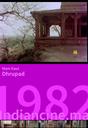
Dhrupad (1982)
Director: Mani Kaul; Producer: Mani Kaul; Cinematographer: Virendra Saini; Editor: Ashok Tyagi; Cast: Zia Mohiyuddin Dagar, Zia Fariduddin Dagar
Duration: 01:10:30; Aspect Ratio: 1.333:1; Hue: 21.589; Saturation: 0.103; Lightness: 0.334; Volume: 0.538; Cuts per Minute: 2.510
Summary: Kaul’s documentary on Dhrupad, the famous North Indian form of classical music. Its foremost living practitioners are members of the Dagar family. The film features the director’s own music teachers, Zia Mohiuddin Dagar on the rudra veena and his younger brother Fariduddin Dagar as vocalist. The music itself, unlike its successor form, the khayal, is austere and rigidly defined with e.g. precise rules for its elaboration from the formalist alaap (which includes no words and no external rhythmic accompaniment) to the faster and more celebratory drut. Its central tenet is that of freedom achieved within a rigid rule-bound structure through a continuous musical scale and the use of notes mainly as approximations rather than as absolutes (as in Western traditions). The film attempts to explore the musical form through the cinematic orchestration of space and light. It includes sequences suggesting Dhrupad’s tribal musical origins and some remarkable scenes in Jaipur’s Jantar Mantar observatory. The bravura ending has a long shot descending from the sky into the urban metropolis, weaving through concrete rooftops as the camera pulls slowly out of focus. The critic Shanta Gokhale commented: ‘Classical Indian music is to Mani Kaul the purest artistic search. The alaap or slow unfolding of a raga (melody) to get its innermost swaroop (form), is its finest expression. Just as a good musician has mastered the musical method of construction which saves his delineation of a raga from becoming formless, so a good film-maker has a firm control over cinematic methods of construction and can therefore allow himself to improvise.’

The image shows a document issued by the Central Board of Film Censors, which appears to be related to the certification of a film. The document includes details such as the film's length, certificate number, and the date of issue. The text is primarily in English, with some Hindi script visible. The document is likely from India, as indicated by the mention of the "Government of India" and the Hindi script.
The image shows a black background with white text written in a script that appears to be Devanagari, commonly used in languages such as Hindi and Marathi. The text is organized in a list format, with multiple entries, and includes both Hindi and English text. The English text appears to be a list of names, organizations, and locations, such as "archaeological survey of India," "city police," and "maharashtra tourism development corporation." The geographic location mentioned in the image is likely in India, as the text references organizations and locations associated with Indian cities and regions.
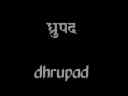
The image shows a dark background with white text written in two different scripts. The top part of the text is in Devanagari script, and the bottom part is in Latin script. The Devanagari script reads "हूपद" and the Latin script reads "dhrupad." The text appears to be written on a flat surface, possibly a wall or a panel. The Devanagari script suggests that the text is likely from a region where this script is commonly used, such as India or Nepal. The Latin script suggests a possible connection to a Western language or culture.
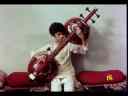
The image shows a person seated on a patterned couch, holding a large stringed instrument resembling a sitar. The individual is dressed in traditional attire, with a cream-colored kurta and white pants. The background is plain, with a wall and a red cushion visible. The person appears to be focused on playing the instrument. The possible geographic location is likely South Asia, as the sitar is a traditional musical instrument from that region.
The image shows a stone wall with a textured surface, featuring rectangular openings or windows. The wall appears to be made of small, uniformly cut stones, and the openings are evenly spaced. The wall has a slightly uneven surface, with some areas appearing darker or more worn. The overall structure suggests it could be part of a historical or traditional building. The location seems to be in a region with a dry climate, possibly in a desert or semi-arid area.
The image shows a structure with intricate architectural details, including arched doorways, decorative columns, and a tiled roof with a scalloped edge. The walls are adorned with carved patterns and latticework, and the overall design suggests a historical or cultural significance. The setting appears to be a courtyard or a part of a larger building, possibly in a region with a rich tradition of craftsmanship.
The image shows a historical architectural structure with intricate designs and domes, surrounded by a courtyard. The building appears to be made of stone, with a mix of decorative patterns and geometric shapes. The surrounding area includes trees and open spaces, suggesting a serene and spacious environment. The structure seems to be located in a region with a warm climate, possibly in South Asia.
The image depicts a vast landscape with rolling hills, palm trees, and a fortified structure in the background. A group of people is riding horses and camels, moving across the terrain. The scene includes a mix of natural and man-made elements, with a clear distinction between cultivated land and wild vegetation. The fortified walls and structures suggest a historical or cultural significance, possibly in a region with a warm climate.
The image shows a silhouette of a series of domed structures against a twilight sky. The structures appear to be part of a larger complex, with one prominent dome on the left and several smaller domes extending to the right. The scene is set in a flat, open area with a clear horizon. The sky has a gradient from light to dark, suggesting either dawn or dusk. The structures seem to be of historical or cultural significance, possibly a religious or architectural site. The terrain appears dry and barren, with no vegetation visible.
The image shows a silhouette of a series of domed structures against a light sky, with a prominent structure on the left featuring a tower-like feature. The structures appear to be part of a larger complex, possibly a historical or religious site. The terrain in the foreground is uneven, suggesting a rural or undeveloped area. The overall scene appears to be set during dusk or dawn, as the sky is dimly lit. The text in the image includes non-English characters, which appear to be in a script resembling Hindi or a similar language.
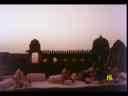
The image shows a group of people sitting on a white fabric spread out on the ground, engaging in what appears to be a conversation or discussion. They are surrounded by a structure with a decorative railing and domed architecture, suggesting a historical or cultural setting. The sky is a soft pinkish hue, indicating it might be dawn or dusk. The structure in the background has a traditional design, possibly indicative of a location in South Asia.
The image shows a silhouette of a historical structure with domed roofs and a prominent tower-like structure on the left. The scene appears to be set during sunset or sunrise, with a soft gradient sky in the background. The foreground includes a patterned area that might be a garden or courtyard. The overall setting suggests a location with historical significance, possibly in a region known for such architecture.
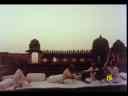
The image shows a group of people sitting on a white fabric spread out on a rooftop. The setting appears to be a historical or traditional structure, with ornate architectural details such as domes and decorative railings visible in the background. The sky is overcast, giving the scene a muted tone. The people are dressed in light-colored clothing, and some are engaged in conversation or listening to someone playing a musical instrument. The overall atmosphere suggests a relaxed and cultural gathering.
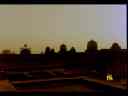
The image shows a silhouette of a historic structure with domes and towers, set against a hazy sky. The foreground includes a series of rectangular, sunken areas, possibly gardens or courtyards. The overall scene suggests a location with significant architectural heritage, likely in a region with a warm climate.
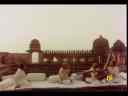
The image shows a serene outdoor setting with four individuals seated on a white fabric spread out on a stone platform. The backdrop features architectural elements such as domes and decorative railings, suggesting a historical or cultural site. The individuals appear to be engaged in a musical or meditative activity, with one person playing a stringed instrument. The overall atmosphere is calm and reflective. The geographic location appears to be in a region with historical architecture, possibly in India or a similar region.
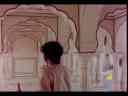
The image shows a person standing in a corridor with intricate arches and columns, likely made of stone or marble. The architecture features a series of repeating arches, creating a sense of depth and symmetry. The setting appears to be historical, possibly from a region known for such designs, like India or a similar area. The person is dressed in light-colored clothing, and the overall atmosphere is serene and quiet.
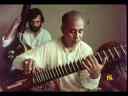
The image shows two individuals engaged in a musical performance. One person is seated, playing a stringed instrument resembling a sitar, while the other person stands behind, holding a large stringed instrument. The setting appears to be indoors, with a plain wall in the background. The person playing the sitar is dressed in a light-colored traditional outfit, and the standing individual is also dressed similarly. The overall ambiance suggests a cultural or musical gathering.
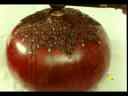
The object in the image appears to be a polished, reddish-brown sphere with intricate carved patterns on its top. The carvings seem to depict floral or vine-like designs, and small metallic accents are visible along the edges. The surface of the sphere is smooth and reflective, suggesting it may be made of a polished material such as wood or a similar substance. The top of the object has a small, raised section that could serve as a handle or decorative feature. The background is plain and white, which helps to highlight the object's details.
The object is likely from a region where such craftsmanship is common, possibly in a country known for its woodwork or decorative arts. The style of the carvings and the material suggest it could be from a region with a rich tradition of detailed, hand-crafted items.

The image shows two individuals engaged in a musical performance. One person is playing a stringed instrument resembling a sitar, while the other is playing a similar instrument in the background. Both individuals are dressed in traditional attire, and the setting appears to be indoors, possibly in a cultural or artistic environment. The lighting is warm, and the focus is on the musicians and their instruments. The geographic location seems to be in South Asia, possibly India, based on the attire and instruments being played.
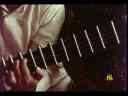
The image shows a person playing a stringed instrument, likely a sitar, with their hands positioned on the frets. The person is wearing a light-colored shirt with visible buttons. The background appears to be dark, possibly indicating a dimly lit indoor setting. The geographic location is likely in India, as the sitar is a traditional Indian musical instrument.
The image shows a person standing in a dimly lit room with stone walls and an arched window. The person is wearing a light-colored garment with a high collar. The room appears to have an old-world charm, with a rustic and historical ambiance. The lighting is soft, and the walls have a textured appearance. The window has a grid-like design, suggesting it might be part of a historical or traditional building.
The image shows a group of people standing together in a natural setting, surrounded by trees with sparse foliage. The individuals are dressed in vibrant, colorful clothing, predominantly red and green, with some patterns visible. The background consists of a dry, rocky landscape with scattered trees, suggesting a semi-arid environment. The group appears to be engaged in a communal activity or gathering.
The image shows a group of people gathered outdoors, with a woman in a vibrant red and yellow dress dancing or performing in the center. She is surrounded by others, some seated and some standing, observing her. A man in a red uniform stands nearby, holding a long pole. The background features a large tree and a dry, rocky landscape. The scene appears to be in a rural or semi-rural area, possibly in a region with a warm climate.
The image shows a group of people walking on a stone pathway surrounded by trees. The central figure is holding a parasol and is dressed in elaborate clothing, while others wear traditional attire. The background features a mountainous landscape with a soft, golden light, suggesting a serene and picturesque setting. The scene appears to be in a rural or semi-rural area, possibly in a region with a warm climate.
The image shows a person standing in front of a wall with a faded mural. The mural depicts a figure riding a horse-like creature, with a tall, elongated neck. The wall appears aged and worn, with visible cracks and peeling paint. The person is wearing a coat and is facing the mural, seemingly observing it. The setting suggests an indoor location, possibly a historical or cultural site.
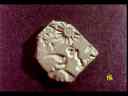
The image shows a small, irregularly shaped object with intricate carvings. The carvings depict a sun with rays extending outward, a person, and some abstract shapes resembling plants or trees. The object appears to be metallic and has a slightly reflective surface. The background is a dark, textured fabric. The text in the image includes "rl," which is likely a watermark or signature.
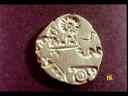
The image shows a circular metallic object with intricate carvings. The carvings include a sun-like symbol, a crescent moon, and a ship with sails. The object appears to be an ancient coin, possibly from a region with a maritime history. The carvings suggest a connection to the sun, moon, and sea, which may indicate a cultural or historical significance.
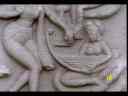
The image depicts a carved stone relief featuring a human figure standing beside a seated woman, who appears to be holding a child. The human figure is adorned with intricate details, including a flowing garment and a headdress. A serpent-like creature is coiled around the seated woman, and the scene is set against a textured background. The carving is detailed, with visible lines and curves that suggest a skilled craftsmanship. The setting appears to be historical, possibly from an ancient civilization. The text visible in the image is in English, and it reads: "Rl."
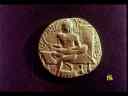
The image shows a circular object with a raised figure seated in a meditative posture. The figure appears to be holding an object in one hand, and there is a small object at the figure's feet. The background includes some text and symbols, possibly representing a cultural or historical context. The object seems to be made of metal, and its surface has a slightly worn appearance. The text around the figure is partially visible and appears to be in an ancient script. The geographic location is likely to be in a region where such metalwork and script are historically significant, possibly in a South or Southeast Asian context.
The image shows a rural landscape with scattered trees and small structures, possibly houses or huts, built on uneven terrain. The area appears dry, with sparse vegetation and a few patches of greenery. The structures seem to be made of natural materials, such as wood and thatch. The terrain is hilly, and the overall environment suggests a dry, arid region. The text in the image includes "RJ" in yellow, which may indicate a watermark or logo.
The image shows a rural landscape with scattered trees and small structures, possibly huts or houses, spread across a gently rolling terrain. The vegetation appears sparse, with some areas of greenery amidst the dry, brownish soil. The terrain is uneven, with visible paths or tracks leading through the area. The overall setting suggests a dry, possibly semi-arid region.

The image shows a dark, almost black background with a small, bright yellow and red symbol located in the upper right corner. There is a faint, small blue dot near the bottom left of the image. The symbol appears to resemble a stylized representation of a letter or character. The surrounding area is completely black, with no discernible features or objects visible.
The image shows a person with long, wavy hair, wearing a light-colored garment. The background appears to be a soft, neutral tone, possibly beige or cream. The person's hair is slightly tousled, and they seem to be in a relaxed posture. The setting suggests a warm and possibly indoor environment. The visible text in the image includes "RJ" in a colorful logo, which might indicate a media or broadcasting company.
The image shows a landscape with a mix of trees and shrubs, some of which are green and others brown. The sky is cloudy, with a few patches of blue visible. There is a small object in the sky, possibly a bird or a flying insect. The terrain appears to be slightly hilly, with a mix of vegetation. The geographic location seems to be a semi-arid region, possibly in a savannah or a dry forest area.
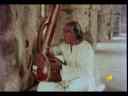
The image shows a person seated on the floor, dressed in traditional attire, playing a stringed instrument resembling a sitar. The setting appears to be an old stone structure with a rustic ambiance, possibly a historical or cultural site. The walls are made of stone, and the floor is bare, suggesting a place of significance or tradition.
The image shows a stone carving depicting a human figure in a seated position, with one hand resting on a surface and the other holding an object. The figure appears to be engaged in a task, possibly reading or writing. The carving is detailed, with visible textures and lines that suggest a skilled craftsmanship. The scene is likely from a historical or cultural context, possibly from a region known for its stone carvings. The text in the image is in a non-English language, and I have translated it to English as follows: "The figure is seated, holding an object in one hand, and appears to be engaged in a task."
The image shows a close-up of a stone carving depicting a human hand and foot. The hand is holding a tool or object, and the foot is resting on a surface. The carving appears to be detailed, with visible textures and patterns on the hand and foot. The scene suggests a historical or cultural artifact, possibly from a region known for stone craftsmanship.
The image shows a stone carving of a human figure holding a rectangular object, possibly a book or tablet, with both hands. The figure appears to have a rounded body and is adorned with a bracelet on the wrist. The surface texture suggests it is part of a larger stone structure, likely a monument or a decorative element. The carving is detailed, with visible lines and curves that suggest careful craftsmanship. The scene appears to be indoors, possibly in a museum or historical site.
The image shows a sculpted figure with intricate detailing on the chest area, including a necklace-like design and a textured surface. The figure appears to be holding a long object, possibly a staff or a weapon. The surface texture suggests it is made of stone or a similar material. The geographic location appears to be a region with historical or cultural significance, possibly in a region known for its stone carvings or sculptures.
The image shows a close-up of a stone sculpture of a human face, likely depicting a serene expression. The sculpture appears to be intricately carved, with detailed features such as closed eyes, a rounded nose, and a calm expression. The hair is styled in a manner that suggests traditional craftsmanship. The background is dark, emphasizing the texture and details of the sculpture. The sculpture seems to be part of a larger structure, possibly a temple or a monument.
The image shows a detailed stone carving of a figure with a serene expression, adorned with intricate jewelry and a necklace. The figure is holding a long, slender object, possibly a musical instrument or weapon. The carving is highly detailed, with fine lines and textures that suggest it is part of a larger structure. The background includes additional carvings, including a figure with a raised arm. The setting appears to be a temple or a historical monument, likely located in a region with a rich tradition of stone craftsmanship.
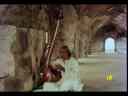
The image shows a person seated in a spacious, arched stone corridor, playing a large stringed instrument resembling a sitar. The walls are made of rough, aged stone, and the corridor extends into the distance with a large arched doorway at the end. The person is dressed in traditional attire, and the setting appears to be historical or culturally significant. The text in the image includes "Raj" in the bottom right corner, possibly indicating a logo or watermark.
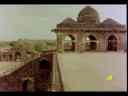
The image shows a historical structure with a large dome and arched openings, surrounded by a stone wall with a walkway. The structure appears to be made of stone and has a weathered appearance, suggesting it is quite old. The surrounding area includes greenery and open land, indicating a rural or semi-rural setting. The structure seems to be part of a larger complex, with additional smaller arches visible in the background. The overall architecture suggests it could be from a region with a historical emphasis on stone-built structures.
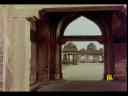
The image shows a stone archway leading to an open courtyard with several domed structures in the background. The archway is intricately carved with patterns and designs, and the courtyard appears to be paved with stone. The structures in the background have a historical architectural style, with multiple arches and domes. The scene suggests a location with a rich cultural heritage, possibly in a region known for such architecture.
The image shows a stone surface with intricate carvings, including swirling patterns and a curved edge. The surface appears weathered and aged, with visible cracks and wear. There is a small circular hole near the edge of the stone. The background includes a stone structure with columns, suggesting an architectural setting. The text in the image includes "S.V." and "rl" in English, with the latter possibly being a watermark or signature.
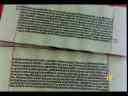
The image shows two pages of text written in a script that appears to be Devanagari, commonly used in languages such as Hindi, Marathi, and Sanskrit. The text is densely packed, with no visible breaks or paragraphs, and appears to be printed on paper. The pages are slightly yellowed, suggesting age or frequent handling. The text is written in a traditional style, with no visible modern formatting or embellishments. The script is consistent across both pages, indicating it is part of the same document or text. The pages are laid out in a way that suggests they are part of a larger book or manuscript.
The image shows a close-up of a page filled with text written in a script that appears to be Devanagari, commonly used for languages like Hindi, Marathi, and Sanskrit. The text is densely packed, with some portions highlighted in red and yellow. The page seems to be part of a larger text, possibly a religious or historical manuscript, given the style of the script and the way the text is presented. The geographic location is likely in India, as the script and style are indicative of Indian languages.
The image shows a stone column with intricate carvings. The carvings include a bird with outstretched wings, a cluster of round shapes resembling fruits or flowers, and a fan-like structure. The stone appears aged, with a rough texture. The column is likely part of a historical or cultural site, possibly in a Mediterranean or Middle Eastern region, given the style of the carvings and the material.
The image shows a close-up of a handwritten script on a textured surface, possibly parchment or paper. The script appears to be written in a traditional style, with some characters highlighted in red. The writing is dense and appears to be in a language with complex characters, possibly Indic script. The background has a slightly uneven texture, suggesting it might be aged or handmade. The script is likely from a region where this language is spoken, possibly South Asia.
The image shows a rural landscape with rolling hills in the background, sparse vegetation, and a few scattered trees. The terrain appears dry and arid, with a mix of flat and gently sloping areas. There are some small structures or buildings visible in the distance, likely homes or agricultural buildings. The overall scene suggests a rural or semi-rural area, possibly in a region with a dry climate.
The image depicts a group of animals, primarily cows, in a dynamic and lively scene. The animals appear to be moving energetically, with some in mid-stride and others in various poses. The background is dark, which contrasts with the lighter tones of the animals, making them stand out. The scene seems to be part of a mural or painting, as the animals are drawn in a stylized manner.
The geographic location of this scene is likely a rural or pastoral setting, possibly in a region where cows are commonly found. The style and subject matter suggest it could be from a traditional or cultural context, possibly in a country where such imagery is significant.
There is a small text in the bottom right corner of the image that reads "rl."
The image depicts a group of animals, primarily horses, drawn in a simplistic and stylized manner. The horses are arranged in a row, with their heads raised and appearing to move forward. The background is dark, and the animals are outlined in a light color, giving them a distinct appearance. The scene seems to be part of a larger artwork, possibly a mural or a painting. The animals are drawn with minimal detail, focusing on their forms and movement.
The geographic location of this artwork appears to be a region with a history of horse-keeping, possibly in Central Asia or the steppes. The style of the drawing suggests it could be from a nomadic or pastoral culture.
There is a small text in the bottom right corner of the image, which appears to be in English. It reads: "14."
The image depicts a group of animals, likely cattle, drawn in a sketch-like style. They appear to be moving together, with some facing forward and others looking to the side. The background is plain, with no distinct features. The animals are drawn with simple lines, and their shapes are slightly abstract. The scene seems to be set in a rural or pastoral environment, possibly in a region where cattle are commonly found.
The image depicts a group of animals, primarily cows, drawn in a sketch-like style. The animals appear to be in motion, with some facing forward and others looking to the side. The drawing is done on a textured surface, possibly stone or a wall, and the lines are simple and expressive. The scene suggests a rural or pastoral setting, likely in a region where cows are commonly found. The background is minimal, with no distinct features visible.
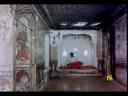
The image shows a person lying on a red mat in a small, ornately decorated room. The walls are adorned with intricate murals and carvings, and the ceiling has a detailed design. The room has arched windows that let in natural light, and the overall setting appears to be a traditional or historical structure. The person is wearing a red garment, and the room has a serene and quiet atmosphere.
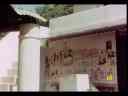
The image shows a detailed mural painted on a wall, depicting a historical or cultural scene with numerous figures, including people on horseback and others standing or sitting. The mural is framed by architectural elements such as columns and a decorative border. The scene appears to be set in an outdoor area with trees visible in the background. The mural seems to represent a significant event or gathering, possibly from a past era. The architectural style and the style of the mural suggest that this could be a location in South Asia or a region with similar cultural influences.
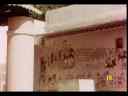
The image shows a wall adorned with intricate murals depicting a large gathering of people, horses, and other animals. The murals appear to be a historical or cultural representation, possibly of a significant event or celebration. The setting is outdoors, with a white structure and columns visible in the foreground. The murals are detailed and colorful, suggesting a high level of craftsmanship. The scene appears to be in a region with a warm climate, possibly in a South Asian or Middle Eastern context, given the architectural style and the depiction of the gathering.
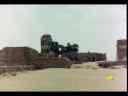
The image shows a structure made of stone and brick, with a dome-shaped roof and a small tower-like section. The area appears to be a ruin, with walls partially collapsed and sand covering the ground. The structure is located in a desert-like environment, with a clear sky overhead.
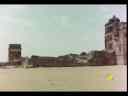
The image shows a large, ancient structure with a tall tower on the right and a smaller tower on the left. The structure appears to be made of stone and has a weathered appearance, suggesting it has been standing for a long time. The ground around the structure is sandy and barren, with no visible vegetation. The sky is clear, and the overall scene gives a sense of historical significance.
The structure is likely located in a region with a warm climate, possibly in a desert or semi-desert area. The architecture suggests it could be in a region with a rich history of trade or cultural exchange.
The image shows a sandy area with a few structures in the background, including a building with a dome-shaped roof. There are columns in the foreground, suggesting a historical or architectural site. The scene appears to be in a desert-like environment, possibly near a coastline or a beach. The structures in the background seem to be ruins or remnants of an old settlement.
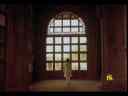
The image shows a person standing in front of a large, ornate window with intricate designs. The window is arched at the top and consists of multiple small panes of glass. The person is dressed in traditional attire, and the setting appears to be a historical or cultural building, possibly a palace or a temple. The architecture suggests a location in South Asia, such as India or Pakistan.
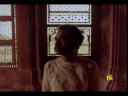
The image shows a person standing indoors, dressed in a light-colored garment. The background features intricate, patterned windows with geometric designs, suggesting an architectural style typical of a historical or culturally significant location. The lighting is warm and soft, creating a serene atmosphere.
The image shows a hand resting on a piece of paper with visible text. The paper appears to be aged and worn, suggesting it might be an old document or book. The text on the paper is in a script that resembles Nepali or a similar language. The hand is positioned on the right side of the paper, with fingers slightly curled. The background is a plain red surface, possibly a cloth or fabric. The geographic location is likely in Nepal or a region where Nepali is spoken, as indicated by the script on the paper.
The image shows a person standing and looking out over a landscape of hills and buildings. The person is wearing a light-colored traditional outfit, and the scene appears to be in a hilly or mountainous region with a mix of natural and man-made structures. The buildings in the foreground have domed roofs, suggesting a possible historical or cultural significance. The terrain is rugged, with hills stretching into the distance. The sky is clear, and the overall atmosphere seems calm and serene.
The image shows a historical architectural structure with intricate designs and domes, likely made of stone. The building appears to be part of a larger complex, with a long corridor and multiple levels. The surrounding area is barren, with a clear sky in the background. The structure seems to be located on a hill or elevated area, with a view of the surrounding landscape. The text in the image is in Hindi, and it reads "हिमालय" (Himalayan Hall).
The image shows a person walking along a long, narrow pathway bordered by a high wall with decorative elements. The pathway leads to a series of arched doorways and structures in the distance, set against a backdrop of dry, hilly terrain. The architecture appears to be historical, with intricate designs and a sense of grandeur. The person is dressed in traditional attire, suggesting a cultural or historical setting. The surrounding area is dry and arid, with sparse vegetation visible on the hills.
The image shows a person standing in front of a long, ornate wall with decorative arches and a series of small, pointed structures on top. The wall appears to be part of a historical or architectural site, possibly a fort or palace, with a hilly landscape in the background. The person is dressed in traditional attire, suggesting a cultural or historical context. The text in the image reads "R.L." in the bottom right corner.
The image shows a person standing in front of a structure with arched openings, which appear to be part of a historical or architectural site. The structure has a weathered, aged appearance, with visible wear on the stone and intricate latticework. The background reveals a mountainous landscape, suggesting a location with natural elevation. The person is dressed in light-colored clothing, and the scene appears to be calm and serene.
The image shows a person walking along a stone pathway with ornate structures on either side. The structures have domed roofs and intricate carvings, suggesting a historical or cultural significance. The surrounding area appears to be dry and hilly, with a clear sky overhead. The person is dressed in traditional attire, and the scene exudes a sense of calm and timelessness. The text visible in the image is in Hindi, and it reads: "श्री श्यामा जी की जय" (Shri Shyam Ji ki Jai), which translates to "Hail Shyam Ji" in English.
The image shows a beautifully ornate entrance with intricate patterns and designs. The archway is adorned with a detailed, symmetrical pattern that radiates outward, and the door is decorated with floral motifs. The surrounding walls are covered in geometric and floral patterns, with a mix of earthy tones. The structure appears to be part of a historical or cultural building, possibly in a region known for its rich architectural heritage.
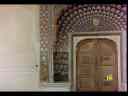
The image shows a beautifully decorated entrance with intricate patterns and designs. The door is wooden and features detailed carvings, while the surrounding walls are adorned with colorful, geometric patterns and floral motifs. Above the door, a large, ornate arch with peacock feather-like designs adds to the visual appeal. A small statue of a figure stands to the left of the entrance, and the walls are painted in soft, neutral tones. The overall aesthetic suggests a traditional and culturally rich setting, possibly in a region known for its craftsmanship and artistic heritage.
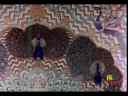
The image depicts a richly decorated wall with intricate patterns and vibrant colors. Dominating the scene are peacocks with their elaborate feathers spread out, showcasing their iridescent beauty. The background features a zigzag pattern with floral motifs and a small figure of a person in traditional attire. The lower part of the wall has a lotus-like design, and there is a small depiction of a seated figure in the center. The overall aesthetic suggests a historical or cultural setting, possibly in a region known for its artistry and craftsmanship.
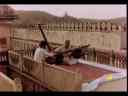
The image shows two individuals seated on a stone terrace, engaged in playing traditional string instruments. The terrace is surrounded by a decorative stone railing, and the background features a hilly landscape with a small structure visible in the distance. The setting appears to be historical, with intricate carvings on the stone walls. The individuals are dressed in traditional attire, and the atmosphere suggests a cultural or musical performance. The text in the image is in Hindi, and it reads: "हिमालय में सुनिश्चित करें" which translates to "Confirm in the balcony."
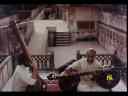
The image shows two individuals seated on a stone balcony, engaged in playing traditional string instruments. One person is holding a large, long-necked instrument, while the other is playing a smaller, round-bodied instrument. The setting appears to be an outdoor courtyard with stone walls and a staircase leading up in the background. The architecture suggests a historical or cultural location, possibly in a region known for such designs.
The image shows a person standing in a spacious, well-lit room with a wooden floor. The room appears to be part of a traditional or cultural setting, possibly a hall or a gathering space. The walls are plain, and there is a sense of simplicity and functionality in the design. The person is dressed in a simple, traditional outfit, and their posture suggests they are engaged in a conversation or interaction.
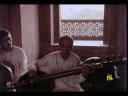
The image shows two individuals seated indoors, engaged in playing traditional string instruments. One person is playing a sitar, while the other appears to be playing a similar instrument. The room has a rustic, historical ambiance, with a window featuring intricate latticework in the background. The setting suggests a cultural or musical environment, possibly in a region known for such instruments.
The image shows a page from a book or document with text in a script that appears to be written in Devanagari, commonly used for languages like Hindi and Marathi. The page includes a table with columns labeled in the script, and there is a graph on the left side of the page. The text appears to be structured in paragraphs, with some sections highlighted or underlined. The geographic location of the document is not discernible from the visible content.
The image shows a person standing in a spacious, well-lit room with a wooden floor. The room appears to be part of a traditional or cultural setting, possibly a hall or a gathering space. The walls are plain, and there is a sense of simplicity and functionality in the design. The person is dressed in traditional attire, which suggests a cultural or regional significance. The lighting is natural, likely coming from windows or an open area.
The image depicts a person wearing elaborate traditional attire, including a richly decorated garment with intricate patterns and embellishments. The person appears to be adorned with jewelry, such as necklaces and bracelets, and is holding their hand near their face. The background is plain, with no distinct features. The attire and jewelry suggest a cultural or historical context, possibly from a region known for such traditional clothing. The text visible in the image is in English, with the letters "Rl" appearing in the bottom right corner.
The image depicts a woman with intricate floral decorations in her hair and on her face. She is adorned with jewelry, including earrings, necklaces, and a nose ornament. Her attire appears to be traditional, with visible patterns and embellishments. The background is plain, and there is a musical instrument, possibly a stringed instrument, visible on the right side. The setting suggests a cultural or artistic representation, possibly from a region known for such traditions.
The image shows a person standing in a dimly lit room, surrounded by various objects. The room appears to be a traditional setting, possibly a study or a library, with wooden furniture and bookshelves. The lighting is soft, creating a warm and cozy atmosphere. The person is dressed in traditional attire, suggesting a cultural or historical context.
The image shows a foggy, rocky landscape with sparse vegetation. There is a small structure resembling a pavilion or gazebo on the right side, surrounded by trees and rocks. The terrain appears uneven, with a dirt path leading toward the structure. The overall setting seems to be a remote, natural area, possibly in a mountainous region.
The image shows a foggy, rocky landscape with sparse vegetation. There is a small structure resembling a pavilion or gazebo on the right side, surrounded by trees and rocks. The terrain appears uneven, with a dirt path leading toward the structure. The background is obscured by fog, giving the scene a mysterious and serene atmosphere. The geographic location seems to be a hilly or mountainous area, possibly in a region with a temperate climate.
The image shows a foggy, rural landscape with a dirt path leading to a small, rustic building with an arched roof. There are scattered rocks and sparse vegetation, including a few trees and shrubs. The area appears to be elevated, with a view of a misty valley below. The text in the image is mostly obscured, but the visible text reads "RJ."
The image shows a foggy, rocky landscape with a dirt path leading to a small, rustic structure. The area is surrounded by sparse vegetation, including a few trees and shrubs. The fog obscures the background, giving the scene a mysterious and serene atmosphere. The structure appears to be a simple shelter or lookout point, possibly used for resting or observing the surroundings. The terrain is uneven, with rocks scattered across the ground.
The image shows a rugged, elevated terrain with sparse vegetation, including a few trees and bushes. A stone structure with an open design is visible in the background, surrounded by rocks and a dirt path leading up to it. The area appears to be misty or foggy, with limited visibility of the surroundings. The landscape suggests a remote or rural location, possibly in a mountainous or hilly region.
The image shows a rugged, rocky landscape with sparse vegetation. A dirt path winds through the scene, leading to a small, stone structure with an arched entrance. The area appears to be elevated, with a misty, foggy atmosphere in the background. The vegetation is sparse, with a few trees and shrubs scattered around. The overall setting suggests a remote, possibly rural location.
The image shows a large rock in the foreground, with a tree behind it. The background consists of a hilly landscape with sparse vegetation, including a few trees and shrubs. The terrain appears dry, and the overall scene suggests a natural, possibly arid environment.
The image shows a large rock resting on a dirt path surrounded by sparse trees with thin branches. The background appears to be a hilly or mountainous area with greenery. The text in the image is "Rl."
The image shows a large rock in the foreground, with a tree behind it. The background consists of a mix of trees and shrubs, with a slightly hilly terrain. The environment appears to be dry and arid, suggesting a desert or semi-desert region. The text in the image reads "rl" in yellow, located in the bottom right corner.
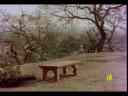
The image shows a serene outdoor setting with a large, flat stone table in the foreground, surrounded by barren trees and a gentle slope leading to a distant structure. The area appears to be a natural park or garden, with a mix of greenery and open space. The distant structure resembles a small pavilion or gazebo, nestled among the trees. The overall atmosphere is calm and quiet, with a sense of tranquility.
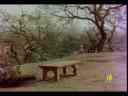
The image shows a serene outdoor setting with a large, flat stone table in the foreground, surrounded by bare trees and a gentle slope leading to a distant pavilion. The area appears to be a natural park or garden, with a mix of greenery and open space. The pavilion in the background suggests a place for gatherings or relaxation. The overall atmosphere is calm and inviting.
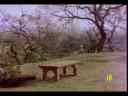
The image shows a serene outdoor setting with a large, flat stone table in the foreground, surrounded by a natural landscape of trees and shrubs. The area appears to be slightly elevated, with a distant view of a small pavilion or gazebo nestled among the trees. The trees have sparse foliage, suggesting a dry or seasonal environment. The overall atmosphere is calm and quiet, with a sense of openness and natural beauty. The text in the image is in English, with a logo in the bottom right corner that reads "RJ."
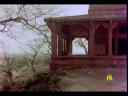
The image shows a structure made of stone with intricate carvings, likely a historical or cultural building. It is surrounded by sparse trees and vegetation, with a view of a vast, open landscape in the background. The structure appears to be elevated, with a covered porch area supported by pillars. The area around the building is dry and rocky, suggesting a desert or semi-arid environment.
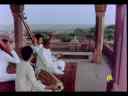
The image shows a group of individuals seated on a stone platform with intricate carvings, surrounded by a scenic view of a vast landscape. They are dressed in traditional attire, and some are playing musical instruments, including a large stringed instrument and a drum. The setting appears to be a historical or cultural site, possibly in a region known for its architectural heritage. The landscape in the background includes greenery and distant structures, suggesting a rural or semi-urban area.
The image shows an open book with a hand resting on one of its pages. The book appears to be old, with visible wear and tear on the edges. The hand is positioned on the right-hand page, and the fingers are slightly curled. The background is a solid red color. There is a small yellow logo in the bottom right corner of the image.
The image shows an open book with blank pages. The left page has faint lines, possibly for writing or drawing, while the right page is mostly empty. A hand is visible on the right side, holding the book. The background appears to be a red surface. The text in the image includes a logo or watermark in the bottom-right corner that reads "Rl."
The image shows an open book with blank pages. The pages are lined with faint red lines, and the book appears to be old or worn. A hand is visible on the right side of the image, holding the book. The background is a solid red color. The text in the image is in Chinese characters, and it reads "书" (shū), meaning "book."
The image shows an open book with blank pages. A hand is visible holding the book, and the pages appear to have faint red lines, possibly indicating a guide for drawing or writing. The background is red, and there is a small yellow logo in the bottom-right corner with the letters "rl."
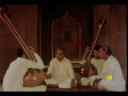
The image shows four individuals seated on the floor in a traditional setting, surrounded by ornate wooden architecture. They are dressed in white garments and are engaged in playing string instruments, which appear to be traditional Indian instruments. The setting suggests a cultural or musical gathering in a historical or culturally significant location.

The image shows a dark, almost black background with a small, bright yellow and red symbol located in the bottom right corner. The symbol appears to resemble a stylized letter or logo. The surrounding area is completely black, with no discernible features or objects visible.
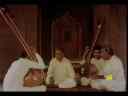
The image shows four individuals seated in a traditional setting, engaged in playing string instruments. They are dressed in white garments, and the room has an ornate, historical architectural style with wooden walls and a decorative arch. The instruments appear to be traditional string instruments, possibly from South Asia. The setting suggests a cultural or musical gathering in a region with a rich tradition of music and craftsmanship.

The image shows a small, brightly colored object in the bottom right corner, which appears to be a logo or symbol. The background is predominantly black, and there is no discernible landscape or geographic features visible. The object in the corner is likely a logo or a small icon.
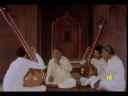
The image shows four individuals seated on the floor in a traditional setting, surrounded by wooden walls and a decorative archway. They are dressed in white garments, and each person is holding a stringed musical instrument. The setting appears to be a cultural or musical gathering, possibly in a historical or traditional location. The text in the image includes "R.L." in yellow and yellow-green letters.
The image shows a page filled with text written in a script that appears to be Devanagari, commonly used for languages such as Sanskrit, Hindi, and Marathi. The text is dense and appears to be printed in black ink on a light-colored background. The script is consistent throughout the page, and the text is written in a neat, uniform style. The page seems to be part of a larger document or book. The geographic location is not discernible from the image.
The image shows a page filled with text written in a script that appears to be Devanagari, commonly used for languages such as Sanskrit, Hindi, and Marathi. The text is dense and appears to be printed in black ink on a light-colored background. The script is consistent throughout the page, and there are no visible illustrations or images accompanying the text. The page seems to be part of a larger text, possibly a book or a manuscript. The text is written in a vertical format, with lines of text aligned in columns. The page appears to be part of a traditional or historical document, given the style of the script and the layout.
The image shows a page filled with text written in a script that appears to be Devanagari, commonly used for languages such as Hindi, Marathi, and Sanskrit. The text is dense and appears to be printed in black ink on a light-colored background. The script is written in a traditional style, suggesting it could be from a religious or cultural text. The page seems to be part of a larger document, possibly a book or manuscript. The text is written in a uniform style, with no visible breaks or separations between paragraphs.
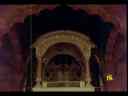
The image shows a beautifully ornate architectural structure with intricate carvings and detailed designs. The structure appears to be a balcony or a window with a decorative arch and pillars, surrounded by a series of arches in the background. The design is highly detailed and likely reflects traditional craftsmanship. The structure seems to be made of stone or a similar material, and the carvings suggest a historical or cultural significance. The surrounding arches are symmetrical and add to the aesthetic appeal of the structure. The possible geographic location could be in a region known for such architectural styles, such as India or a nearby area with similar cultural influences.
The image shows a multi-storied structure with intricate architectural details, including arched openings and decorative railings. The building appears to be made of stone or a similar material, with a reddish-brown hue. The structure has several levels, with balconies and columns visible. The background reveals greenery, suggesting the building is located in a lush area. The text in the image is in English, and it reads "RJ."
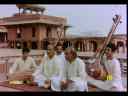
The image shows a group of individuals seated on a patterned rug in front of a historical architectural structure made of stone. The structure has intricate carvings and arches, suggesting a traditional style. The individuals are dressed in white garments, and two of them are holding stringed musical instruments, while another appears to be playing a sitar. The setting seems to be outdoors, with a clear sky and some trees visible in the background. The location appears to be in a region with a rich cultural heritage, possibly in South Asia.
The image shows a view of a building with a sloped roof, possibly made of concrete or another material. The roof has a chimney or vent on top, and there are trees visible in the background. The scene appears to be outdoors, with a clear sky. The image includes a small yellow text label in the bottom right corner that reads "Rk."
The image shows a curved, light-colored wall with visible cracks and a small rectangular opening. The wall appears to be part of a structure, possibly a bridge or an overpass. The surrounding area is partially visible, with a hint of trees and a streetlight in the background. The text in the image is "RJ" in yellow and red, located in the bottom right corner.
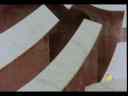
The image shows a series of curved, white marble structures set against a reddish-brown background. The structures appear to be part of a larger architectural design, possibly a monument or a public space. The marble surfaces are smooth and polished, with subtle veining patterns visible. The reddish-brown background suggests a stone or brick material, adding contrast to the white marble. The overall design appears to be modern and artistic, with a focus on symmetry and curves.
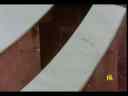
The image shows a curved, white marble structure with a smooth surface, possibly part of a larger architectural design. The background includes a reddish-brown wall, suggesting a contrast in materials and colors. The marble appears to have natural veining patterns. The scene seems to be outdoors, possibly in a public or historical area.
The image shows a section of a white marble floor with visible veins running through it. The floor appears to be part of a larger structure, possibly a building or a monument. The surrounding area is dark, suggesting it might be indoors or in a shaded area. There is a small logo in the bottom right corner with the letters "rt" in yellow and green.
The image shows a large, abstract sculpture made of dark, curved metal, with a smooth, polished surface. In the background, there is a paved area with a circular pattern, and beyond that, a few trees and a structure that appears to be a building or a wall. The scene seems to be outdoors, possibly in a park or a public space. The overall setting appears to be calm and open.
The image shows a large concrete structure with a curved surface and a cross-like design. In the background, there are buildings and a few utility poles. The area appears to be urban, with a mix of residential and industrial structures. The text in the image includes "R1" in yellow and black.
The image shows a series of architectural structures with smooth, curved surfaces and arches, likely made of stone or concrete. The structures appear to be part of a larger complex, with a mix of open spaces and enclosed areas. In the background, there are trees and a small building with a red roof. The sky is clear, and the overall setting seems to be outdoors in a warm climate. The structures have a historical or cultural significance, possibly related to a monument or a place of worship.
The image shows a person wearing a red head covering, with a blurred face and a beard. The background appears dark, and there is a faint yellow text in the lower right corner. The person seems to be indoors, possibly in a dimly lit room. The text in the corner reads "Rr."
The image depicts a detailed family tree chart, with branches representing relationships and connections between individuals. It includes names and relationships, such as parents, spouses, and children, with lines connecting them to show familial ties. The chart appears to be organized hierarchically, with the topmost individual serving as the central figure. The geographic location is not discernible, but the chart seems to be based in a region where Hindi is spoken, as the text is written in this language.
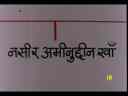
The image shows a plain wall with a red line running horizontally across it. Below the line, there is text written in a script that appears to be Hindi. The text reads, "नगरपालिका अम्मिन्दन स्वागत है," which translates to "The Municipal Corporation of Ammindin welcomes you." The wall is light-colored, and the text is written in black ink. The red line might be a marker or a boundary. The geographic location is likely in India, as the script and language are indicative of Hindi-speaking regions.
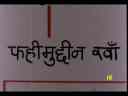
The image shows a plain wall with a red line running horizontally across it. There is a vertical red mark above the text. The text is written in a script that appears to be Devanagari, and it reads: "फ़ोहिस्दिन बाबो" (Fohi Sindin Baba). The wall appears to be part of a simple structure, possibly a building or a room. The geographic location is likely in a region where Devanagari script is commonly used, such as India or Nepal.
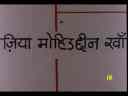
The image shows a plain wall with a red vertical line running down the center. There is text written in black ink on the wall, which appears to be in a script resembling Devanagari. The text is written in a neat, cursive style. The wall seems to be part of a larger structure, possibly a building or a room. The red line might be a decorative or functional marker. The text reads: "जीवन मोठदिवन राव".
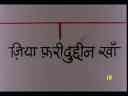
The image shows a white wall with a red horizontal line near the top. Below the line, there is text written in a script that appears to be Devanagari, which is commonly used in Hindi and other Indian languages. The text is black and appears to be handwritten. The wall seems to be part of a building, possibly in an urban or residential area. The text is partially legible, and the script suggests that the location could be in India.
The image shows a plain wall with a red line running horizontally across it. Below the line, there is text written in a script that appears to be Devanagari, which is commonly used in Hindi and Marathi languages. The text reads, "नेसर जहिंस हिन्द राव," which translates to "Naser Ji Hans Hindu Rao." The wall is light-colored, and the text is written in black ink. The red line above the text seems to be a decorative or functional marker. The geographic location is likely in India, as the text is in Hindi, and the name "Naser Ji" is a common Indian honorific.
The image shows a wall with a red-bordered rectangular area. There is text written in a script that appears to be Hindi, with some parts in English. The text reads, "नमस्तीर पहचान जयजुरदीन राव," and the logo in the bottom right corner appears to be a yellow symbol with the letters "R" and "L." The wall seems to be part of a building, possibly in a rural or semi-urban area.
The image shows a wall with a red line running vertically and a horizontal red line intersecting it. There is text written in a script that appears to be Devanagari, which is commonly used in Hindi and Marathi languages. The text reads "सोप्डुद्धिन क्वा". The wall appears to be part of a building, possibly in a region where Devanagari script is used.
The image shows a person standing on a high vantage point overlooking a historical site with a mix of structures, including what appears to be a fort or palace surrounded by walls. The area is densely populated with trees and buildings, suggesting a rural or semi-urban setting. The structures have a traditional architectural style, possibly indicative of a historical or cultural site.
The image shows a street scene with several cars parked along the side of the road. The buildings appear to be older, with visible fire escapes and architectural details. The street is relatively narrow, and the cars are parked in a line along the curb. The image has a slightly grainy quality, suggesting it might have been taken with an older camera or in low lighting conditions. The geographic location appears to be urban, possibly in a city with historical architecture.
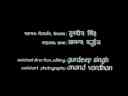
The image shows a black background with white text written in two languages, Hindi and English. The Hindi text is at the top, and the English text is below it. The Hindi text appears to be a script, while the English text includes names and roles, possibly credits for a production. The English text mentions "assistant direction, editing, and photography" as well as the names "gurdip singh" and "anand vardhan." The Hindi script seems to be a script of a dialogue or script, possibly for a film or a play. The geographic location is not discernible from the image.
Indiancine.ma requires JavaScript.